
Companion Plants
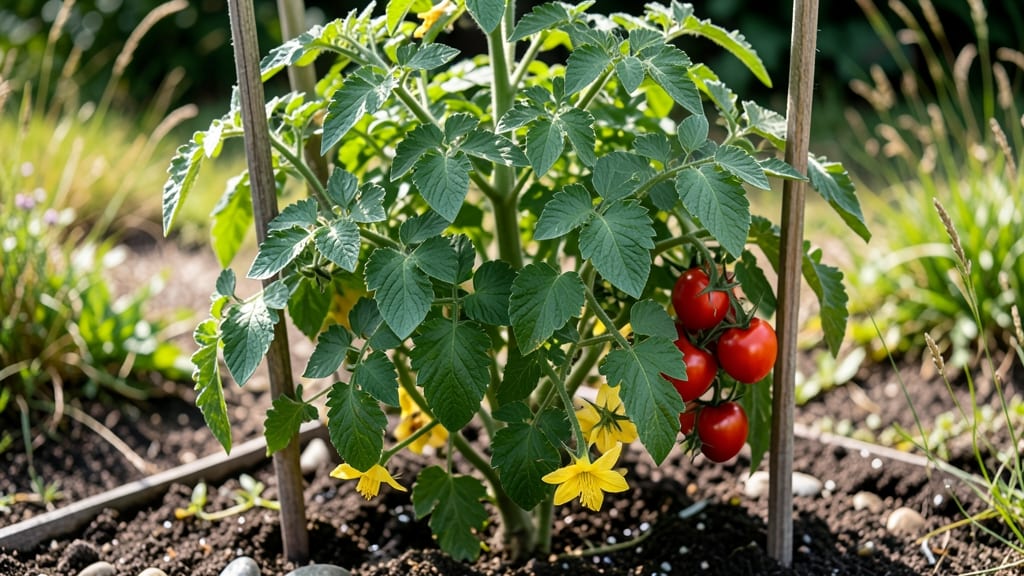
My first healthy-looking tomato plants looked like they were fighting for their lives—until I learned these sun-kissed growth hacks that transformed them into thriving, vibrant vines. 🌿 The secret isn't just sunlight; it's the right balance of soil, water, and care that makes all the difference between leggy, struggling plants and ones that burst with life.
Start with well-draining soil rich in compost and a handful of balanced fertilizer at planting time. Water deeply at the base—never overhead—to keep roots strong and leaves dry, which prevents disease. Most problems (like yellowing leaves or blossom end rot) come from inconsistent watering or poor soil.
I’ve seen plants go from wilted to perfectly upright in just a week with these adjustments.
Prune strategically to boost airflow and fruit production—remove suckers but leave strong stems. Pinch off the first few flowers if your plant looks stressed, so it focuses on growing sturdy before fruiting.
By mid-summer, you’ll have glossy green leaves, thick stems, and blossoms that turn into juicy tomatoes instead of dropping off.
Even in less-than-ideal conditions, these tips work—whether you’re growing in containers or garden beds. The key is consistency: check soil moisture weekly, rotate plants occasionally, and watch for pests early. Your tomatoes will reward you with sun-drenched vines that neighbors will envy.
📚 In This Guide
- What you need
- Instructions
- Tips and common mistakes
- Wrapping up and next steps
What you need
- ● Tomato seeds or seedlings: Choose disease-resistant varieties like Celebrity or Cherry Tomatoes (5–10 plants, depending on space).
- ● Well-draining potting mix: 10–20 lbs of organic, nutrient-rich soil (avoid garden soil—it’s too dense!).
- ● Containers or garden bed: For containers: 5-gallon pots or larger (1 per plant).
- ● For in-ground: A sunny spot with loose, fertile soil (6+ hours of sunlight daily).
- ● Fertilizer: A balanced 10-10-10 or organic option like composted manure (1 cup per plant, every 3–4 weeks).
- ● Mulch: Straw or shredded leaves (2–3 inches) to retain moisture and suppress weeds.
- ● Support system: Cages, stakes, or trellises (1 per plant to encourage vertical growth).
- ● Garden trowel or transplant spade (for planting seedlings).
- ● Watering can or hose with a gentle nozzle (drip irrigation is a pro upgrade!).
- ● Pruning shears (to trim suckers and encourage bushier growth).
- ○ pH testing kit (optional but helpful—tomatoes thrive in 6.0–6.8 pH soil).
- ● Gloves and knee pads (because gardening is a labor of love!).
- ● Companion plants: Basil, marigolds, or borage (plant nearby to deter pests and boost flavor!).
- ● Shade cloth (for seedlings if temps exceed 85°F).
- ● Plant food spray (like fish emulsion for a quick nutrient boost).
- ● Grow lights (if starting seeds indoors before the last frost).
Instructions for cultivating vibrant, disease-resistant tomato plants
Here’s how to coax thick stems, glossy leaves, and abundant fruit from your tomato plants—without relying on luck.
🌱 Step 1: Start with Strong Seedlings or Transplants
Choose disease-resistant varieties like ‘Celebrity’ or ‘Better Boy’ for built-in vigor. If starting from seed, plant in biodegradable pots under grow lights (not windowsills) to prevent leggy growth. Keep soil temps at 75-85°F for germination—cold soil slows everything down.
Once seedlings have 2-3 true leaves (not just the first seed leaves), transplant them into individual 1-gallon pots filled with sterile potting mix. This prevents root competition and fungal diseases that thrive in crowded conditions. Handle seedlings by the leaves, never the stems—you’ll avoid crushing delicate tissue.
☀️ Step 2: Position for Maximum Sunlight and Airflow
Tomatoes need 6-8 hours of direct sunlight daily, but too much midday sun in hot climates can scorch leaves. In Zone 8+, provide afternoon shade during peak summer heat—look for light green leaves with crisp edges as a sign of stress.
Space plants 18-24 inches apart in rows 3 feet apart to ensure airflow. Crowding invites fungal diseases like early blight. If growing in containers, use 5-gallon pots minimum—smaller pots dry out too fast and stunt root growth.
💧 Step 3: Water Deeply at the Base—Never the Leaves
Water deeply once a week (or more in extreme heat) until soil is moist 6 inches down. Check by inserting a finger—dry soil at this depth means roots aren’t getting enough. Water in the early morning to reduce evaporation and fungal spores.
Avoid wetting leaves entirely—this is how early blight and septoria leaf spot spread. Use a soaker hose or drip irrigation to deliver water directly to the soil. If you must overhead-water, do it before 10 AM so leaves dry quickly.
✂️ Step 4: Prune for Bushier Growth and Better Airflow
Pinch off suckers (the small shoots growing between the main stem and branches) when they’re less than 2 inches long. These divert energy from fruit production. For indeterminate varieties, prune side shoots to 2-3 leaves to encourage stronger main stems.
Remove yellow or diseased leaves immediately—don’t leave them on the plant. Use sterilized pruners (wipe with rubbing alcohol between cuts) to prevent spreading pathogens. Pruning also improves airflow, which keeps foliage dry and reduces fungal pressure.
🌿 Step 5: Feed and Protect for Long-Term Health
Fertilize every 2-3 weeks with a balanced 10-10-10 or 5-5-5 formula once flowers appear. Too much nitrogen early on makes plants lush but fruitless. Look for dark green leaves with deep veins—this indicates healthy chlorophyll production.
Apply mulch (straw or shredded leaves) around plants to retain moisture and suppress weeds. In high-humidity areas, add 1-2 inches of coarse sand to the soil surface to improve drainage and reduce fungal spores.
Tips & tricks for cultivating vibrant tomato plants
Here's what I've learned from years of growing tomatoes that look like they belong in a garden center—without the guesswork.
Germination Temperature: That 75-85°F soil temperature range isn't just a suggestion—it's critical for strong seedling development. I've seen germination times stretch to twice as long when soil temps dip below 70°F. Use a seedling heat mat if your growing space runs cool, and avoid placing pots on cold windowsills. The difference in seedling vigor is dramatic—you'll notice thicker stems and more robust leaves within days.
Lighting Strategy: While 6-8 hours of sunlight is ideal, don't assume your windowsill provides enough light. Seedlings under inadequate light become leggy and weak, which makes them more susceptible to diseases. If using grow lights, position them just 2-3 inches above seedlings and keep them on for 14-16 hours daily. This mimics long summer days and prevents that sad, stretched-out growth pattern.
Pruning Precision: When pinching those suckers less than 2 inches long, be patient—don't rush the process. I've seen gardeners remove suckers too early, which actually stimulates more growth. For indeterminate varieties, focus on keeping the main stem unobstructed. The goal is to create a strong central leader that can support heavy fruit loads. Think of it as sculpting the plant's architecture for maximum productivity.
Fertilizer Timing: That "every 2-3 weeks" guideline starts once flowers appear, but don't skip the initial phase. Too much nitrogen before flowering encourages leafy growth at the expense of fruit production. I recommend using a half-strength fertilizer solution during the first few weeks after transplanting, then gradually increasing to full strength as flowers develop. This gradual approach prevents nutrient burn while still supporting robust growth.
Pro Tips for Healthy Looking Tomato Plants
- Here's what I've learned from years of growing tomatoes that look like they belong in a garden center—without the guesswork.
- Germination Temperature: That 75-85°F soil temperature range isn't just a suggestion—it's critical for strong seedling development.
- Lighting Strategy: While 6-8 hours of sunlight is ideal, don't assume your windowsill provides enough light.
Frequently asked questions
Got questions about keeping your tomato plants healthy, lush, and thriving? You’re not alone! Here are some of the most common queries—plus quick, actionable answers to help you grow like a pro.
How often should I water tomato plants to keep them looking healthy?
Tomatoes need consistent moisture—about 1–1.5 inches per week, especially during fruiting. Water deeply at the base (not the leaves!) in the morning to prevent disease. Let the top inch of soil dry out between waterings to avoid root rot. Drip irrigation is ideal for even hydration.
When is the best time to prune tomato plants for better growth?
Prune determinate tomatoes (bush varieties) lightly to improve airflow, but avoid heavy pruning. For indeterminate tomatoes (vining types), prune throughout the growing season—remove suckers (side shoots) when they’re smaller than a pencil. Do this early in the day to let wounds heal faster. Stop pruning 6 weeks before harvest to boost fruit production.
Why are my tomato leaves turning yellow, even though the plant looks otherwise healthy?
Yellowing leaves (chlorosis) often signal overwatering, nutrient deficiency, or poor drainage. Check the soil—it should be moist but not soggy. Test for nitrogen deficiency (common in alkaline soils) and amend with compost or a balanced fertilizer. Yellow edges? It might be calcium deficiency—try crushed eggshells or a lime supplement.
Can I use coffee grounds around tomato plants for healthier growth?
Yes! Coffee grounds are a great organic amendment—they add nitrogen and improve soil structure. Sprinkle a thin layer (½ inch) around the base (not touching the stem) every 4–6 weeks. Too much can make soil acidic, so balance with compost or wood ash if your soil is already acidic.
What are the best companion plants to keep tomato plants healthy and pest-free?
Plant these tomato-friendly companions nearby:
- Basil – Repels pests like thrips and whiteflies and enhances flavor!
- Marigolds – Deter nematodes and aphids with their strong scent.
- Onions/Garlic – Confuse tomato hornworms with their pungent aroma.
- Bush beans – Fix nitrogen in the soil, boosting tomato growth.
Wrapping up and next steps
Growing healthy looking tomato plants is all about nurturing the right conditions—sunlight, soil, water, and a little extra love from companion plants! 🌱 With the right techniques, your vines will thrive, producing juicy, vibrant tomatoes that’ll make your garden the talk of the neighborhood.
Start small, experiment with what works best, and don’t forget to celebrate those first lush green leaves.
Ready to take the next step? Pick a spot in your garden or balcony, gather your supplies, and get planting! Your future harvest (and bragging rights) are just a few seeds away. 🍅✨