
Vegetables
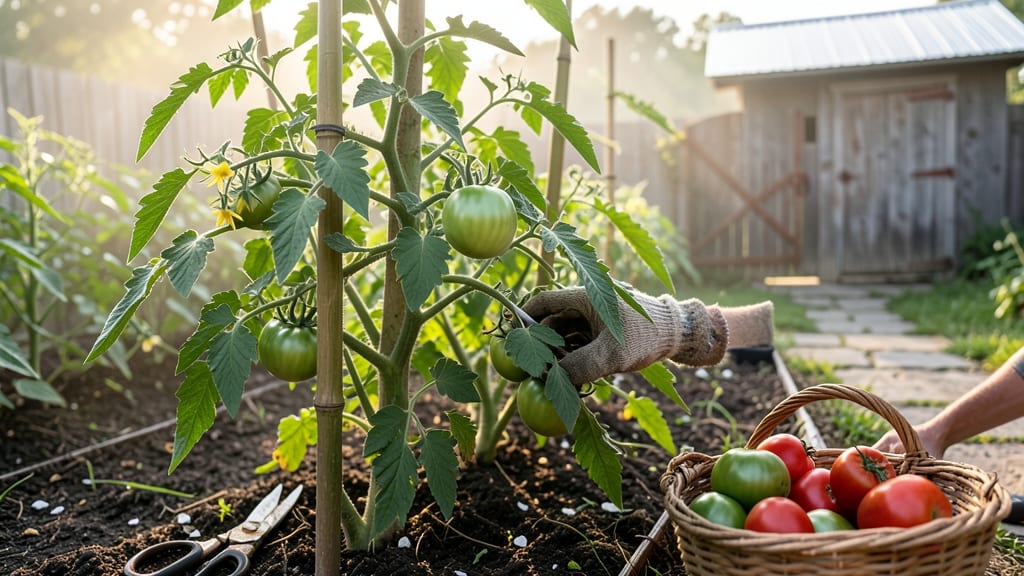
Green tomato season is your chance to turn unripe fruit into flavorful meals before frost hits 🍅 — and timing your harvest can make the difference between a disappointing bite and a homegrown treasure.
Picture this: you’ve spent all summer nurturing your tomato plants, only to wake up to a chilly October morning with half-ripe fruit still clinging to the vines. That’s the moment every gardener dreads—but it’s also why understanding green tomato season is so critical.
In Zone 6, where cold winters mean a shorter growing season, knowing when to harvest and how to handle green tomatoes can save your crop and even improve flavor. Whether you’re planning to ripen them indoors or cook them fresh, the right techniques make all the difference.
Below, I’ll walk you through the best times to harvest, how to store green tomatoes for maximum flavor, and the simple tricks to avoid common mistakes that ruin your harvest. Let’s make sure your green tomato season ends with a bang, not a bust.
When does green tomato season peak? Climate Zones and timing
Green tomato season arrives when fall frosts threaten to ruin your crop before full ripeness. Unlike ripe red tomatoes, green tomatoes are harvested unripe—packed with tangy flavor and firm texture. But timing is everything.
In USDA Zone 5, for example, green tomatoes often peak in late August to early September, while in Zone 9, you might harvest as late as November. The key is understanding your local frost dates and adjusting your harvest strategy accordingly.
Your USDA hardiness zone dictates when to start harvesting green tomatoes. Early frosts in Zones 3-5 mean you’ll need to harvest by mid-September, while gardeners in Zones 7-10 can often wait until October or November.
Even a light frost (28°F) can damage green tomatoes, so plan ahead. Pay attention to your local weather forecasts and historical frost data to time your harvest perfectly.
Here’s how your climate zone affects green tomato season timing:
| USDA Zone | Peak Harvest Window | First Frost Risk | Signs of Readiness |
|---|---|---|---|
| 3-5 | Late August - Early September | Early to mid-September | 2-3 inch diameter, deep green, firm |
| 6-7 | Early September - Mid-October | Late October | 2.5-3.5 inch diameter, slight softness |
| 8-9 | Mid-September - November | December (light frost) | 3+ inch diameter, vibrant green |
| 10+ | October - December | Rare (winter frost) | Full size, glossy skin |
Adjust timing based on early/late frosts in your microclimate.
Weather plays a critical role in green tomato ripening. A hot summer can accelerate growth, while cool, cloudy weather slows it down. If temperatures dip below 50°F at night, green tomatoes may stop maturing entirely.
Monitor your plants closely in late summer, as this is when they’ll need your most attention. Even a single cold snap can trigger an early harvest if you want to avoid blossom-end rot or cracked fruit.
If frost is imminent, harvest all green tomatoes immediately—even if they’re small. You can cure and ripen them indoors later.
Look for these 3 key readiness signs:
- Size (2-3 inches)
- Firm but slightly yielding skin
- Deep green color (no pale or yellowing spots) Harvesting too early means underdeveloped flavor, while waiting too long risks frost damage or overgrowth.
In Southern climates (Zones 8-10), you might even get two harvests: one in early fall and another after a winter break. But in Northern zones (3-6), focus on a single late-summer harvest before the first frost.
Use row covers or greenhouses to extend your season by 2-4 weeks if needed. This simple trick can mean the difference between a bountiful harvest and a failed crop.
Don’t forget that variety matters. Heirloom tomatoes like Green Zebra or Pineapple stay green longer than hybrid varieties, which may start turning pink or yellow before frost.
If you’re growing determinate varieties (bush types), they’ll produce most of their fruit in a 2-3 week window, while indeterminate varieties (vining types) offer a prolonged harvest until frost.
To maximize your green tomato yield, start harvesting when 30-50% of the fruit is ready. This encourages the plant to produce more. Use sharp pruning shears to avoid damaging the stem, and harvest in the morning when temperatures are cooler.
Store your harvest in a cool, dark place (like a garage or basement) for up to 2 weeks before curing. If you’re expecting an early frost, prioritize harvesting larger tomatoes first—they’ll have the most flavor.
Pro tip: If your first frost arrives unexpectedly, pick every tomato, even the small ones. You can ripen them indoors by placing them in a paper bag with a banana (the ethylene gas speeds up ripening).
With the right timing, you’ll turn a frost threat into a flavorful harvest.
How to harvest green tomatoes for maximum flavor and storage life
Harvesting green tomatoes at the right moment transforms them from simple vegetables into flavor powerhouses. Unlike fully ripe tomatoes, green tomatoes retain their crisp texture while delivering a bright, tangy taste that many gardeners adore.
But the key lies in knowing when and how to harvest them—whether you plan to eat them fresh, cure them for storage, or ripen them indoors later.
The best time to harvest green tomatoes is 10-14 days before your first frost, when they’ve reached their full size but remain firm and green.
In USDA Zones 5-7, this typically falls between late September and early October, while warmer climates (Zones 8+) can extend the season into November. Waiting too long risks frost damage, while harvesting too early means sacrificing flavor development.
🌱 Key Takeaway: 3 Critical Factors for Green Tomato Harvest Success
Harvest when daytime temps are above 50°F—cold nights dull flavor.
Pick 10-14 days before frost for peak freshness and storage potential.
Use clean pruners or gloves to avoid bruising—never twist stems.
Pro Tip: Harvest in the morning when tomatoes are cool and firm for the best texture.
For fresh eating, harvest green tomatoes when they’re fully sized but still firm, typically around 2-3 inches in diameter. Look for a deep green color and a slight give when gently squeezed—they should feel heavy for their size.
If you’re harvesting for long-term storage, aim for tomatoes that are slightly softer but still vibrant green, as these cure best.
There are two primary harvesting methods: hand-picking and cutting with pruners. For small batches or delicate varieties like cherry tomatoes, gently twist the tomato while supporting the stem to avoid damage.
For larger harvests or tougher varieties (like Roma or Beefsteak), use clean pruners to cut the stem 1/4 inch above the fruit. This prevents disease entry points and keeps the plant healthy for future production.
After harvesting, curing green tomatoes is essential to develop their flavor. Spread them in a single layer on a screen or rack in a warm (70-80°F), dry, and well-ventilated area for 1-2 weeks. Avoid direct sunlight, which can cause uneven ripening.
During curing, check tomatoes daily and remove any that show signs of spoilage. This process enhances their sweetness and acidity, making them taste closer to ripe tomatoes.
Once cured, store green tomatoes in a cool (50-60°F), dark place like a pantry or root cellar. They’ll keep for 2-3 months if handled properly. For immediate use, enjoy them fresh in salads, salsas, or fried green tomato recipes.
And if you’re worried about frost? Don’t toss those green tomatoes—cure and store them for winter meals you’ll love.