
How To
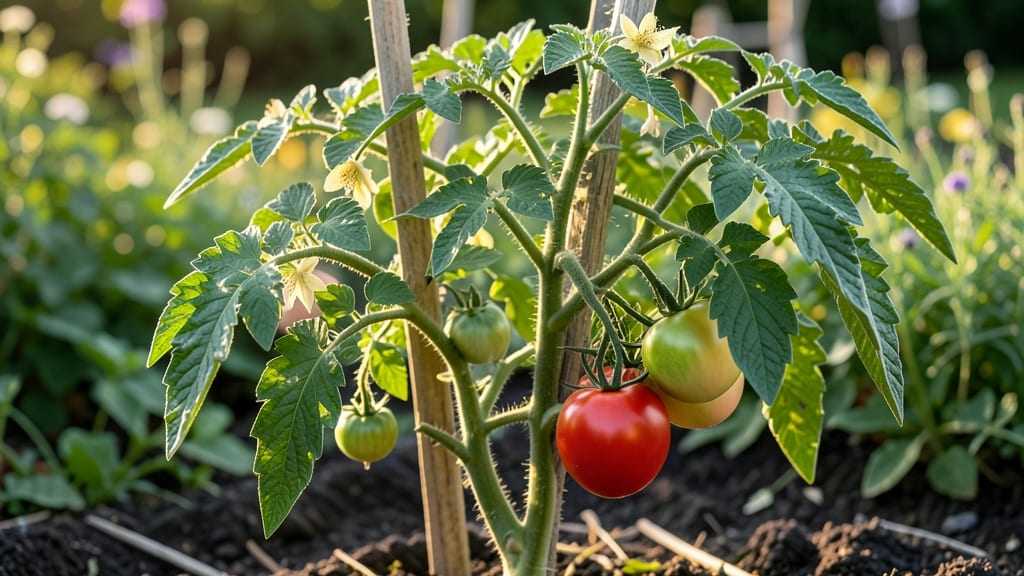
Understanding the tomato ripening time can mean the difference between a bountiful harvest and a season of waiting—and wondering why your fruit just won’t turn red.
Picture this: You’ve nurtured your plants all season, but those tomatoes stubbornly cling to their green phase, even when they’re heavy on the vine. The key to faster, sweeter harvests isn’t just patience—it’s knowing the science behind ripening time and how to tweak conditions for better results.
Tomato ripening time varies wildly depending on the variety (heirlooms vs. hybrids), your local climate, and even how much sunlight your plants get daily. Some types mature in as few as 50 days, while others drag out to 90 days—and that’s without accounting for heatwaves or unexpected chills.
In this guide, I’ll break down the factors that speed up (or slow down) ripening, share three science-backed tricks to accelerate the process, and help you avoid common mistakes that leave you staring at green tomatoes well past harvest season.
How long does tomato ripening time vary by type and conditions?
Tomato ripening time isn't one-size-fits-all—it depends heavily on the variety you grow and the environmental conditions you provide. While most gardeners expect tomatoes to ripen in 60-90 days after transplanting, heirlooms, hybrids, and cherry tomatoes each have their own timelines.
Even within the same variety, temperature swings, sunlight exposure, and humidity levels can accelerate or delay ripening by weeks.
For example, cherry tomatoes like 'Sweet 100' typically ripen in 55-65 days, while large heirlooms like 'Brandywine' may take 85-95 days to reach full maturity. Understanding these differences helps you set realistic expectations and troubleshoot delays. The key is matching your growing conditions to each variety's natural ripening rhythm.
Here's a quick breakdown of how different factors influence ripening time, with data-backed thresholds to help you optimize your garden's productivity.
| Tomato Type | Average Ripening Time | Ideal Temperature (°F) | Sunlight Needs | Humidity Range | Notes |
|---|---|---|---|---|---|
| Cherry Tomatoes | 55-65 days | 65-85°F (day) / 55-65°F (night) | 6-8+ hours full sun | 40-70% | Fastest ripening; compact vines |
| Hybrid Tomatoes | 60-75 days | 70-85°F (day) / 60-70°F (night) | 6-8+ hours full sun | 50-75% | Balanced ripening; disease-resistant |
| Heirloom Tomatoes | 75-95 days | 75-90°F (day) / 65-75°F (night) | 8+ hours full sun | 50-65% | Longest ripening; flavor development |
| Indeterminate Varieties | 70-100+ days | 70-85°F (day) / 60-70°F (night) | 8+ hours full sun | 45-65% | Extended harvest season |
| Determinate Varieties | 55-70 days | 65-80°F (day) / 55-65°F (night) | 6-8 hours full sun | 50-70% | Bush-type; single harvest window |
*Ripening times calculated from transplanting date under optimal conditions
Temperature plays a critical role in tomato ripening. While tomatoes thrive in 70-85°F daytime temperatures, anything below 55°F or above 95°F can stall ripening. Nighttime temperatures should stay above 60°F—cooler nights slow ethylene production, the natural hormone that triggers ripening.
If you're in a cooler climate, consider using black plastic mulch or row covers to maintain soil warmth.
Sunlight is another non-negotiable factor. Tomatoes need at least 6-8 hours of direct sunlight daily, but varieties like heirlooms benefit from 8+ hours for optimal sugar development. Inadequate sunlight leads to smaller fruits and delayed ripening.
If your garden is shady, choose compact varieties like 'Tiny Tim' or 'Patio Princess' that tolerate partial shade better than larger types.
Humidity also affects ripening speed, though its impact is often overlooked. Tomatoes prefer 40-70% humidity—too much moisture can promote fungal diseases like blight, while low humidity (<30%) can cause blossom end rot or cracked fruits.
In humid climates, improve air circulation with pruning and spacers, while dry regions may benefit from drip irrigation to maintain consistent moisture without oversaturating the soil.
Even with perfect conditions, some gardeners notice their tomatoes never fully ripen on the vine. This is common in cooler fall months when nights grow chilly.
To salvage these green tomatoes, pick them when they're pencil-sized and ripen indoors with a paper bag containing a banana or apple (ethylene gas speeds up the process). With the right variety and conditions, you can shave weeks off ripening time
3 Science-backed tricks to speed up tomato ripening time
If you're watching your tomato plants struggle to ripen fruit—even when the vines are loaded with green tomatoes—the solution lies in science-backed gardening hacks. The good news? You don’t need expensive tools or chemicals to accelerate ripening.
By tapping into natural plant hormones and optimizing growing conditions, you can turn green tomatoes into ripe, flavorful harvests weeks faster. Here’s how.
Tomatoes ripen in response to ethylene gas, a natural plant hormone that triggers color change and sweetness development. The challenge? Many gardeners overlook simple ways to boost ethylene production or adjust environmental factors.
Whether you're growing heirloom varieties, cherry tomatoes, or beefsteaks, these three methods work across the board—but their effectiveness varies by tomato type and growing conditions.
Let’s start with the easiest trick: ethylene exposure. Tomatoes respond dramatically to this gas, which is naturally released by fruits like bananas and apples. Simply place a ripe banana or two in a paper bag with your green tomatoes for 3–5 days.
The ethylene will kickstart ripening, especially for cherry tomatoes or small varieties where fruit is concentrated. For larger tomatoes, like beefsteaks, this method works but may take 5–7 days.
Next, focus on pruning techniques to accelerate ripening. Suckers—those small shoots between the main stem and branches—compete with fruit for energy. By removing them, you force the plant to prioritize ripening existing tomatoes.
For indeterminate varieties, prune aggressively by cutting back to the first 3–4 main stems. This isn’t just about speed; it also improves air circulation, reducing blossom end rot and disease risk.
Finally, temperature adjustments can make or break ripening time. Tomatoes need consistent warmth to ripen properly. If your evenings dip below 60°F, use row covers or black plastic mulch to retain heat.
In cooler climates, consider greenhouse growing or even moving potted tomatoes indoors near a sunny window. This is especially critical for late-season varieties or when a heatwave disrupts pollination.
Pro tip: Combine these methods for maximum impact. Start with ethylene exposure for immediate results, then prune to maintain momentum, and adjust temperatures to create the perfect ripening environment. With these science-backed tricks, you’ll be harvesting ripe, sweet tomatoes in half the usual time—no shortcuts, just smart gardening.