
Vegetables
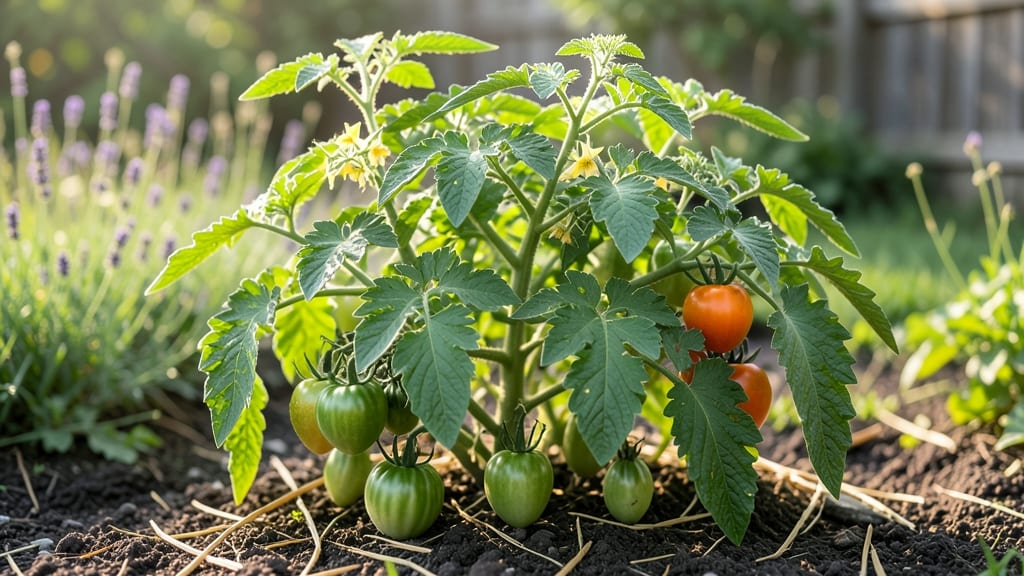
Your tomatoes are turning orange while still green—this weird color shift isn’t normal, but it’s fixable. 🌱 The culprit is often a mix of stress (like uneven watering or calcium deficiency) and environmental factors that throw off ripening.
I’ve seen it happen after a heatwave or when plants get too much nitrogen early in the season.
Most gardeners assume it’s a disease, but it’s usually a nutrient imbalance—especially calcium or magnesium. Blossom end rot can cause similar discoloration, but orange patches are usually a sign your tomatoes are fighting to ripen properly.
The good news? You can still salvage them for relish, salsa, or even pickled slices.
First, check your soil pH—aim for 6.0 to 6.8—and add crushed eggshells or lime if it’s too acidic. Water consistently (1-1.5 inches per week) and avoid overhead sprinkling. If the issue persists, a balanced fertilizer with more potassium can help push those tomatoes toward their true red stage.
For the relish, those orange-green tomatoes work perfectly—they’ll add a unique sweet-tart flavor without needing extra pectin. Just chop them up with onions, vinegar, and a touch of sugar, then process in a water bath. The odd color won’t hurt the taste!
What Triggers Unripe Color Shifts
When green tomatoes transform into an unexpected orange hue before ripening, it’s usually a sign of stress or environmental factors at play. While this isn’t always harmful, understanding the root causes can help you prevent it—or even use it to your advantage in recipes like green tomato orange relish.
Let’s break down the science behind these color changes, so you can troubleshoot like a pro.
Tomatoes are sensitive to extreme heat, and when temperatures soar—especially above 90°F (32°C)—they can’t ripen properly. Instead of turning red, they may develop an orange or yellowish tint due to:
- Inhibited lycopene production: Lycopene (the pigment responsible for red color) requires warmth, but too much heat stops its synthesis. Instead, tomatoes may overproduce carotenoids (like beta-carotene), which give them an orange glow.
- Sunburn damage: Direct, intense sunlight can scorch tomato skin, triggering a defensive response that alters pigmentation. This is common in varieties like Green Zebra or Brandywine when left unprotected.
- Ethylene disruption: Heat reduces ethylene gas (the hormone that signals ripening), leaving tomatoes stuck in a limbo phase where they’re neither fully green nor red—but orange.
💡 Pro Tip: If you’re growing tomatoes in hot climates, use shade cloth (30-50% coverage) or mulch heavily to regulate soil temperature. Harvesting slightly underripe tomatoes (when they’re just turning pale green) and ripening them indoors can also prevent this issue.
Tomatoes are heavy feeders, and a lack of key nutrients can throw off their pigment development. Here’s how deficiencies play a role:
| Nutrient Deficiency | Effect on Tomato Color | How to Fix It |
|---|---|---|
| Magnesium (Mg) | Yellow-orange mottling between veins (a sign of chlorosis), as chlorophyll breaks down unevenly. | Apply Epsom salt (1 tbsp per gallon of water) or compost rich in magnesium. |
| Potassium (K) | Orange-yellow discoloration and poor fruit development, as potassium helps regulate enzyme activity in pigment synthesis. | Use a balanced fertilizer (5-10-10) or wood ash (sparingly). |
| Nitrogen (N) – Too much! | Lush green foliage but orange-tinged, underripe fruit due to delayed ripening. Excess nitrogen diverts energy away from fruit maturation. | Switch to a low-nitrogen, high-phosphorus fertilizer (e.g., 3-4-6) when flowers appear. |
🔥 Watch Out: Overwatering can also leach nutrients, worsening deficiencies. Test your soil’s pH (aim for 6.0-6.8)—acidic or alkaline soil locks out essential minerals.
Not all tomatoes follow the classic green-to-red ripening path. Some varieties are genetically predisposed to develop orange hues due to:
- Carotenoid-rich hybrids: Breeders have developed tomatoes like Orange Banana or Sun Gold that naturally produce more carotenoids than lycopene, giving them an orange tint even when ripe.
- Partial ripening: Some heirlooms (e.g., Green Grape) may never fully redden but instead shift to yellow-orange when mature. These are often harvested early for relishes or salsas.
- Blossom-end rot recovery: If a tomato develops blossom-end rot (calcium deficiency), the affected area may turn orange as the fruit tries to heal, while the rest stays green.
✨ Fun Fact: If you’re making green tomato orange relish, these orange-tinged tomatoes can add a sweet, citrusy depth to the flavor profile—just blanch and peel them first to remove any tough spots.
Even after harvest, tomatoes can change color due to post-harvest handling:
- Ethylene exposure: Storing tomatoes with ethylene-producing fruits (like apples or bananas) can accelerate ripening—but if the environment is too warm, it may trigger an orange shift instead of red.
- Cold damage: Refrigerating tomatoes too early (below 50°F/10°C) halts ripening and can cause chilling injury, leading to surface discoloration (including orange patches).
- Oxidation: Cutting into green tomatoes exposes them to air, which can speed up carotenoid development, especially in varieties prone to orange hues.
🎯 Best Practice: Store tomatoes at room temperature (55-75°F/13-24°C) until they’re fully ripe. If you’re preserving them, blanch first to stabilize color before processing into relish.
Fixing your relish’s color problem
Got greenish-orange relish when you expected a vibrant, sweet-tart masterpiece? Don’t toss it—fix it! The good news is that most color issues in homemade relish are easy to troubleshoot with a few simple tweaks.
Below, we’ll break down the most common causes of dull or off-color relish and provide practical, foolproof solutions to restore that bright, appetizing hue. Plus, we’ll share pro tips to keep your next batch perfectly golden-orange from start to finish.
Fix: Boost color and flavor with a longer cook time or a ripening trick.
- 🍳 Extend Cooking Time Greenish tomatoes need more time to soften and release their natural sugars, which deepen color. Simmer your relish 10–15 minutes longer (or until tomatoes break down easily when pressed with a spoon). Stir occasionally to prevent scorching.
- 🌡️ Pre-Ripen Tomatoes (If Using Green Ones) If your tomatoes are very green, speed up ripening by placing them in a paper bag with a banana or apple for 3–5 days. The ethylene gas will help them turn pinkish-red before cooking.
- 🔥 Add a Splash of Citrus or Vinegar A tablespoon of lemon juice or apple cider vinegar during the final 5 minutes of cooking can brighten the color by balancing acidity. Pro tip: Skip this if your recipe already includes vinegar—too much can make relish cloudy.
Fix: Adjust the ratio to enhance color development.
- 📊 Sweetener Swap for Depth White sugar can sometimes yield a paler relish. Try brown sugar or honey (¼ cup) for a deeper amber hue. These add molasses notes that react with acids to create richer colors.
- ⚖️ Acid Adjustment If your relish tastes bland or looks washed out, it might need more acid. Add ½ teaspoon of citric acid or 1 extra tablespoon of vinegar during the last 10 minutes of cooking. Warning: Too much acid can make relish taste sour—taste as you go!
- ✨ Pectin Boost (Even Without Store-Bought) If your tomatoes are low in natural pectin (common in heirloom or hybrid varieties), stir in 1 tablespoon of apple cider vinegar or ½ cup of crushed pineapple during cooking. This helps gel the relish slightly, which can improve color retention.
Fix: Control heat to preserve color and flavor.
- ⏰ Monitor Heat Levels Simmer relish on medium-low heat to avoid scorching. If it starts to darken too quickly, reduce heat or remove from the stove for 2–3 minutes to cool slightly before continuing.
- 🍲 Use a Heavy Pot Thin pots can cause hot spots that burn relish. Opt for a stainless steel or enameled cast-iron pot for even heat distribution.
- 🔪 Skim Foam Regularly Foam on top can turn bitter and darken the relish. Use a spoon to skim it off every 5–10 minutes during cooking.
Want to skip the fixes and nail the color from the start? Follow these game-changing tips:
- 🍅 Choose the Right Tomatoes Use a mix of ripe red and orange tomatoes (like Roma or beefsteak) for the best color. Avoid overly green or underripe ones unless you’re willing to pre-ripen them.
- 🌿 Add Color-Boosting Ingredients Incorporate red bell peppers, carrots, or paprika (½ teaspoon) for natural color enhancement. These ingredients are packed with pigments that blend beautifully.
- 🕒 Time Your Cooking Most relishes need 45–60 minutes of cooking. Check for doneness by mashing a tomato—it should be soft but not mushy.
- 🧂 Salt Early, Not Late Adding salt at the beginning of cooking helps break down tomatoes faster, leading to better color development. Hold off on adding salt until the end if you’re worried about over-salting.
- 📦 Store Properly Once canned, store relish in a cool, dark place (like a pantry) to prevent color fading. Sunlight and heat can turn it dull over time.
With these fixes, your green-orange relish will transform into a glossy, golden masterpiece that’s perfect for sandwiches, burgers, or gifting. Happy canning! 🍽️✨
Frequently asked questions
Why are my tomatoes turning orange while still green?
This usually happens due to heat stress (above 90°F/32°C) or nutrient imbalances like magnesium or potassium deficiency. Too much heat stops lycopene production (red pigment) while carotenoids (orange pigments) take over. Check your soil pH (6.0-6.8) and consider shade cloth if growing in hot climates.
Can I still use orange-green tomatoes for relish?
These tomatoes work perfectly for relish—they’ll add a unique sweet-tart flavor. Just chop them finely and simmer longer (10-15 extra minutes) to develop full flavor. The orange tint won’t affect taste, but it’ll give your relish a beautiful golden hue.
How do I prevent this color issue next season?
Start with balanced fertilization (use a 5-10-10 formula after flowering) and maintain consistent moisture. Mulch heavily to regulate soil temperature, and avoid overwatering. Test your soil annually—calcium and magnesium deficiencies often cause similar problems.
Is this a sign of disease or pest damage?
Not usually! While diseases like early blight can cause discoloration, orange-green tomatoes are typically stress-related. Check for pests first, but if none are found, focus on environmental factors. The orange patches are more likely a defensive response to heat or nutrient imbalance than an infection.
Will these tomatoes ripen properly indoors?
Yes, but slowly. Place them in a paper bag with a banana or apple for 3-5 days to speed up ethylene production. Keep them at room temperature (60-70°F/15-21°C) and avoid refrigeration until fully ripe. If they never turn red, they’re still safe to eat—just use them for cooking!