
How To
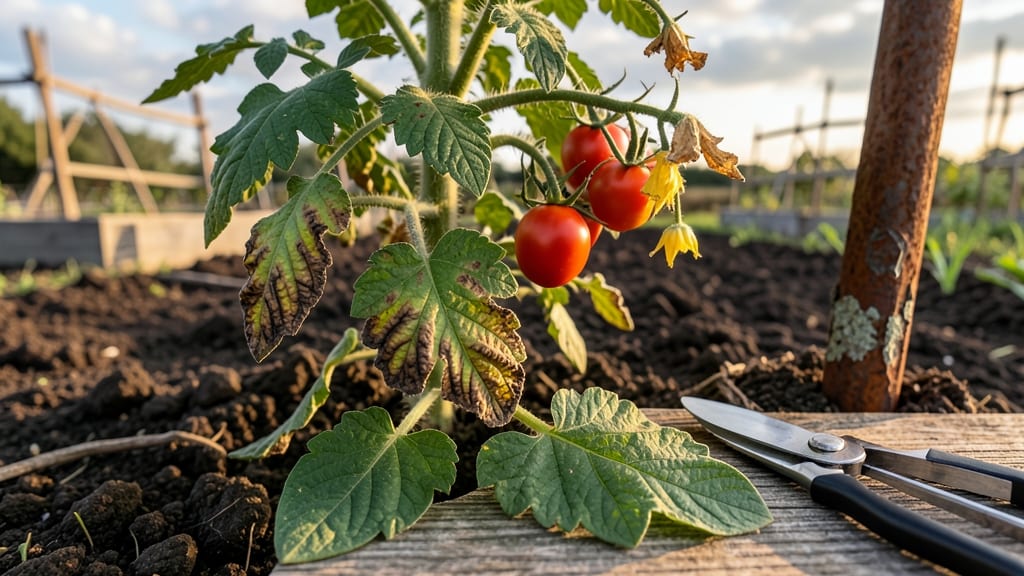
Your tomato harvest doesn’t have to end in disappointment from early blight’s yellow spots. 🌱 I’ve battled this fungal foe for years, and the key is catching it early—before those telltale concentric rings spread from leaves to fruit.
The difference between a few blemished tomatoes and a ruined crop often comes down to what you do in those first critical weeks.
Early blight thrives in crowded, humid conditions, turning leaf edges brown and crispy while leaving behind that signature "bullseye" pattern. The fungus survives in soil and debris, so even healthy-looking plants can become infected if last year’s tomato stems linger nearby.
My biggest mistake? Waiting until I saw spots on the fruit—by then, half the plant was already compromised.
With the right prevention, you can keep your tomatoes vibrant and productive all season. Start with resistant varieties like 'Mountain Merit' or 'Defiant,' space plants properly for airflow, and remove infected leaves immediately. A copper fungicide spray every 10-14 days acts as insurance, especially after rain.
The good news? Even if you spot early blight now, pruning aggressively and improving airflow can save your remaining fruit. The goal isn’t perfection—it’s extending your harvest until frost. Let’s turn those yellow spots into a manageable challenge, not a season-ender.
The root causes of early blight
Early blight on tomato fruits isn’t just a random bad luck scenario—it’s a fungal infection with specific triggers. Understanding these causes is the first step to protecting your plants and saving your harvest. Let’s break down the science behind why this pesky disease strikes.
The primary culprit behind early blight is the fungus Alternaria solani, which thrives in warm, humid conditions. These spores are everywhere—in soil, plant debris, and even the air—and can survive for years, waiting for the right moment to infect your tomatoes.
Here’s how it works:
- Overwintering spores: The fungus persists in old tomato stems, leaves, or compost, ready to reinfect the next season.
- Wind and water spread: Spores hitch rides on wind currents or splashing water (like from irrigation or rain) to reach healthy tomato leaves and fruit.
- Warm, damp conditions: Temperatures between 75–85°F (24–29°C) and high humidity create the perfect breeding ground for spores to germinate and infect.
Actionable tip: Remove and destroy (don’t compost) infected plant debris at the end of the season to starve the fungus of a home. 🔥
Early blight loves heat and moisture—think of it as a fungal sunburn. While the fungus can survive in cooler temps, it explodes when conditions align:
| Factor | Perfect Blight Conditions | Why It Matters |
|---|---|---|
| Temperature | 75–85°F (24–29°C) | Warmth speeds up fungal growth and spore production. |
| Humidity | High (70%+) | Moisture helps spores stick to leaves and germinate. |
| Rainfall | Frequent or heavy | Water splashes spores onto lower leaves, the fungus’s entry point. |
| Nighttime Dew | Prolonged | Dew keeps leaves wet overnight, giving spores 24/7 access. |
Actionable tip: If you’re in a hot, humid climate, water in the morning so leaves dry quickly. Avoid overhead watering—stick to drip irrigation or soaker hoses to keep foliage dry. 💡
A healthy tomato plant can fight off early blight, but stress makes it an easy target. Common stressors that weaken defenses include:
- Poor nutrition: Low nitrogen or potassium levels stunt growth and reduce disease resistance.
- Overcrowding: Plants competing for sunlight and air circulation stay damp longer, inviting fungal growth.
- Injuries or pests: Bug bites, cracked stems, or pruning wounds create entry points for spores.
- Drought or overwatering: Both extremes stress plants, making them more susceptible to infection.
Actionable tip: Feed your tomatoes with a balanced fertilizer (10-10-10 or 5-10-10) and prune for airflow. Space plants 18–24 inches apart to reduce humidity in the canopy. 🌿
Even well-meaning gardeners can accidentally spread early blight. The fungus can lurk on:
- Pruners or shears: If you trim infected leaves and then use the same tools on healthy plants, spores hitch a ride.
- Compost piles: Improperly heated compost (below 140°F/60°C) won’t kill spores, turning your “green” compost into a blight bomb.
- Reused containers: Pots or growing bags that previously held infected plants may harbor dormant spores.
Actionable tip: Sanitize tools with a 10% bleach solution (1 part bleach to 9 parts water) or rubbing alcohol between uses. If composting, ensure piles reach 140°F+ for at least 3 days to kill spores. ✨
Now that you know why early blight strikes, the next step is how to stop it in its tracks. Stay tuned!
How to solve it
Early blight can feel like a sneaky villain stealing your tomato harvest, but with the right moves, you can turn the tide and protect your plants. The key is acting fast—once those telltale brown spots appear, it’s time to roll up your sleeves and fight back.
Below, we break down the most effective ways to stop early blight in its tracks and keep your tomatoes thriving.
The first line of defense? Don’t let the blight spread. Early blight thrives on infected plant material, so prune away any leaves with dark spots (especially the lower ones) and remove affected fruit immediately. Here’s how:
- 🔪 Use clean, sharp pruners (sterilize with rubbing alcohol between cuts to avoid cross-contamination).
- 🗑️ Bag and toss infected debris in the trash—do not compost it, as spores can survive and reinfect next season.
- 🌿 Focus on the lower canopy first, where spores splash up from soil during watering or rain.
Pro Tip: 💡 If blight is severe, consider removing entire lower branches (up to 6 inches from the soil) to starve the fungus of its food source.
Early blight loves moisture—especially when it’s splashing onto leaves. Change your watering game to make your plants less hospitable:
- 🌧️ Water at the base, not overhead. Use a drip irrigation system or soaker hose to keep foliage dry.
- ⏰ Water early in the day (before 10 AM) so leaves have time to dry out.
- 🌡️ Avoid late-night watering—cool, damp evenings are blight’s favorite breeding ground.
Pro Tip: 🌡️ If you must water by hand, aim for the soil and step back to avoid wetting leaves. A spray shield can also help direct water where it’s needed.
For stubborn cases, fungicides are your secret weapon. But not all are created equal—choose the right type and use it preventively:
| Type | When to Use | How to Apply |
|---|---|---|
| Copper-based fungicides (e.g., Bordeaux mixture) | At first sign of blight or as a preventive spray every 7–10 days in humid climates. | Spray evenly on both sides of leaves and stems. Avoid spraying in direct sunlight (can burn foliage). |
| Biological fungicides (e.g., Serenade, Regalia) | Preventive treatment—start when plants are young and repeat weekly. | Follow label instructions for dilution. Best for organic gardens. |
| Chemical fungicides (e.g., chlorothalonil) | Only if blight is severe. Use as a last resort and rotate with other treatments. | Apply at dusk to reduce plant stress. Reapply after heavy rain. |
Pro Tip: ✨ Combine fungicides with preventive care for best results. For example, spray copper in the morning after watering for maximum coverage.
A healthy tomato plant is resistant to stress, making it harder for blight to take hold. Strengthen your plants with these tricks:
- 🍽️ Feed with compost or balanced fertilizer (10-10-10 or organic options like fish emulsion). Avoid over-fertilizing with nitrogen—it promotes leafy growth at the expense of fruit.
- 🌱 Space plants properly (18–24 inches apart) for good airflow, which dries leaves faster and deters fungal growth.
- 🌞 Ensure full sun exposure (6–8 hours daily). Shady spots slow drying and invite blight.
Pro Tip: 💪 Mulch with straw or grass clippings to keep soil moist (but not soggy) and prevent spores from splashing onto leaves.
Once you’ve won the battle, don’t let blight ambush you again. Plan ahead with these long-term strategies:
- 🔄 Rotate crops—avoid planting tomatoes (or potatoes/peppers, which share the same fungus) in the same spot for 3–4 years.
- 🌱 Choose resistant varieties like ‘Mountain Merit,’ ‘Defiant PhR,’ or ‘Bush Early Girl’ (look for “Phytophthora-resistant” labels).
- 🏡 Clean up thoroughly in fall: Remove all plant debris, till the soil, and consider adding lime (early blight thrives in acidic soil).
- 🌿 Plant companion crops like basil, marigolds, or onions nearby—they repel pests and improve air circulation.
Pro Tip: 🎯 Start seeds indoors and transplant seedlings after the last frost. Young plants are less stressed and more resilient to early blight.
Frequently asked questions about tomato fruit blight
Can I still eat tomatoes with early blight?
Yes, but with caution! Blighted tomatoes are safe to eat if the affected areas are cut away. The fungus primarily attacks leaves and stems, not the fruit itself. Just remove any spots with concentric rings or soft rot before cooking or eating. For severe cases, focus on harvesting healthy fruit first.
How do I tell early blight apart from sunscald?
Early blight spots have concentric rings and appear on lower leaves first, while sunscald shows up as pale, dry patches on exposed fruit from too much sun. Blight also causes crispy, brown leaf edges that curl upward—sunscald won’t affect leaves.
Will baking soda really prevent early blight?
It can help as a preventive spray! Mix 1 teaspoon baking soda, 1 teaspoon vegetable oil, and a drop of dish soap in 1 gallon of water, then spray on leaves every 7-10 days. This creates an unfriendly environment for spores, but it’s most effective when combined with proper spacing and watering techniques.
Can I save my tomato plants if blight is already spreading?
You might! Prune aggressively by removing all infected leaves (especially lower ones) and sterilize your tools between cuts. Improve airflow with proper spacing, water at the base only, and apply a copper fungicide every 7-10 days. For severe cases, consider removing entire lower branches to starve the fungus.
Why does early blight always come back year after year?
Because the fungus Alternaria solani survives in soil and old plant debris! Without proper cleanup, it reinfects new plants. Always remove and destroy infected material (don’t compost it), rotate crops every 3-4 years, and avoid planting tomatoes in the same spot annually.