
Vegetables
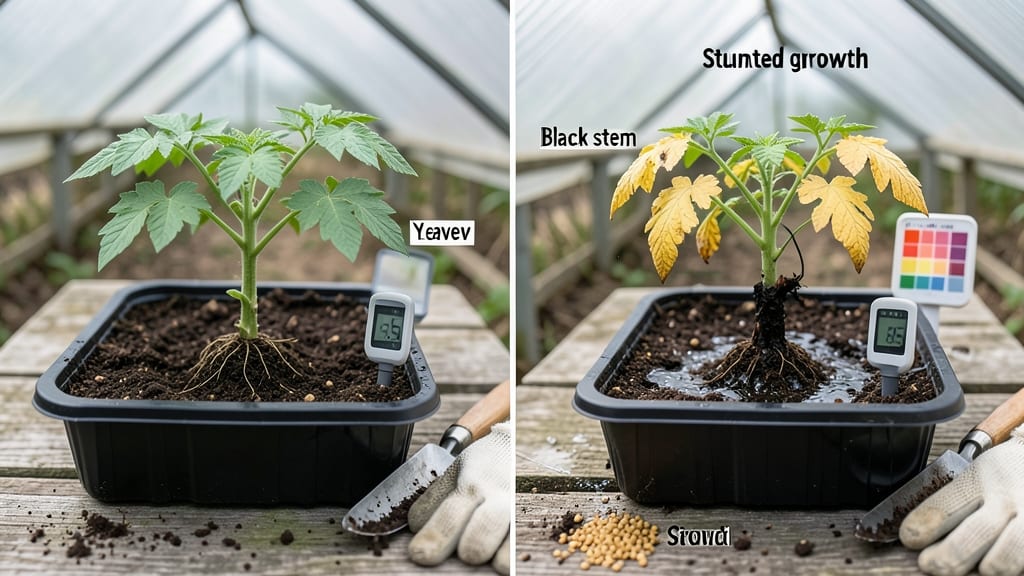
Your tomato seedlings are flopping like wet noodles, but dying tomato seedlings don’t mean game over—just a 48-hour emergency. 🌱 I’ve nursed back more than my share of limp stems, and the fix isn’t complicated once you know what’s really going on.
The key is acting fast before the roots give up completely.
Most of the time, it’s one of three culprits: overwatering (roots suffocate), temperature swings (cold nights or hot afternoons), or weak soil (no nutrients to fight stress). The good news? All three have quick fixes—adjusting water, moving pots to a stable spot, or giving them a diluted fertilizer boost.
Even if they look terrible now, you can often bring them back to sturdy, green growth within two days.
Start by checking the soil—it should feel damp but not soggy. If the stems are mushy at the base, trim the damaged parts and replant in fresh, well-draining mix. Add a splash of hydrogen peroxide (1 teaspoon per cup of water) to sterilize the soil and prevent fungal rot.
Within 48 hours, you’ll see stronger stems reaching for the light again.
Prevention is easier than rescue: use seedling trays with drainage, keep them in a warm (70°F) spot, and avoid crowding. If you’ve lost more than half the seedlings, it’s time to replant—but don’t let a few weak stems discourage you.
Even my worst batch has come back with the right care.
Root Causes Behind Seedling Struggles
Understanding why your tomato seedlings are wilting or dying is the first step to saving them. Often, the issue stems from a mix of environmental stress, improper care, or unseen threats. Below, we break down the most common culprits—and why they’re silently sabotaging your plants.
💧 The silent killer of seedlings.
Tomato seedlings thrive in moist but well-drained soil. When water pools around roots (due to overwatering, compacted soil, or lack of drainage holes in containers), it cuts off oxygen and triggers root rot—a fungal infection that chokes seedlings in days.
Signs include: - Yellowing leaves (starting at the bottom) - Mushy, black stems when gently pulled - Seedlings toppling over (like they’re too weak to stand)
Why it happens:
- Too much love (water): Seedlings in small pots or trays dry out fast—but their roots can’t keep up if you water on a strict schedule.
- Clay-heavy soil: Holds water like a sponge, suffocating roots.
- No airflow: Crowded trays or plastic domes trap humidity, creating a fungal paradise.
Actionable fix: Let the top inch of soil dry between waterings, and always use containers with drainage holes.
🌵 Crispy leaves mean thirsty roots.
While overwatering is the usual suspect, drought stress is just as deadly—especially in hot climates or under grow lights.
Seedlings drink water through their leaves (via transpiration), and if the soil dries out too fast, roots shrink and die back, causing: - Wilting leaves (even in the morning) - Brown, papery edges on leaves - Stunted growth (seedlings stop reaching for light)
Why it happens:
- Small pots dry out in hours. A 2-inch seedling pot can go from damp to bone-dry in under 24 hours in warm conditions.
- Low humidity: Indoor heat or dry air makes seedlings lose moisture faster.
- Inconsistent watering: Skipping a day can be the difference between life and death for tiny roots.
Actionable fix: Use a moisture meter or stick your finger in the soil—if it’s dry past your first knuckle, water deeply until it drains from the bottom.
❄️ Tomatoes hate the cold—literally.
Tomato seedlings are tropical plants at heart. If nighttime temps dip below 50°F (10°C) or daytime highs exceed 90°F (32°C), they go into shock.
Cold stress causes: - Blackened leaves (especially at night) - Stunted, leggy growth (seedlings stretch toward warmth) - Soft, mushy stems (cells rupture in freezing temps)
Why it happens:
- Early planting: Seedlings planted too soon in cool soil (below 60°F/15°C) struggle to absorb nutrients.
- Drafty spots: Near windows, doors, or AC vents can create sudden temperature drops.
- Heat spikes: Greenhouses or south-facing windows can cook seedlings in hours.
Actionable fix: Keep seedlings in 65–75°F (18–24°C) ranges. Use row covers at night or move pots to a warmer spot (like a sunny windowsill away from drafts).
☀️ Sunburn or starvation—both kill seedlings.
Tomatoes need 12–16 hours of light daily, but intensity matters. Too little light = leggy, weak stems; too much direct sun (especially in hot climates) = sun scald (white/yellow patches on leaves).
Why it happens:
- Weak light sources: Grow lights too far away or fluorescent bulbs (which don’t emit enough red spectrum) cause etiolation (seedlings stretch toward light, becoming spindly).
- Direct midday sun: Seedlings in greenhouses or hot climates can overheat in hours, causing leaf burn.
Actionable fix:
- For weak light: Move seedlings 6 inches below grow lights or upgrade to full-spectrum LEDs.
- For too much sun: Provide 30% shade cloth or place seedlings in dappled sunlight.
🐜 Tiny invaders with big appetites.
Seedlings are vulnerable to pests and pathogens because their immune systems are underdeveloped.
Common culprits: - Fungal diseases (damping-off, powdery mildew): Cause blackened stems at soil level or white fuzzy coatings. - Aphids or spider mites: Suck sap, causing sticky leaves or yellowing. - Cutworms or slugs: Sever stems at night, leaving seedlings toppled over.
Why it happens:
- Overcrowding: Poor airflow lets fungi thrive.
- Contaminated soil: Old potting mix or unsterilized containers harbor pathogens.
- Outdoor exposure: Wind or wildlife spreads pests.
Actionable fix:
- Prevent pests: Use neem oil spray or diatomaceous earth (food-grade).
- Isolate sick seedlings to stop spread.
- Sterilize tools with rubbing alcohol between uses.
Pro Tip: 🔍 Always check the soil level first—if the stem is rotting at the base, it’s likely damping-off fungus (a classic seedling killer). Remove affected seedlings immediately!
How to solve it
If your tomato seedlings are wilting, yellowing, or struggling to stand tall, don’t panic—these plants are often tougher than they look! The key to revival lies in identifying the root cause and applying the right fix immediately.
Below, we’ve mapped out practical solutions for the most common issues, along with prevention tips to keep your seedlings thriving long-term.
Signs: Yellowing leaves, mushy stems, soil that feels soggy or smells foul. Fix:
- 🔥 Step 1: Stop Watering Immediately Let the top 1–2 inches of soil dry out before watering again. Overwatering suffocates roots and invites fungal diseases like damping off.
- 🍳 Step 2: Improve Drainage If seedlings are in containers, add a layer of perlite or coarse sand to the bottom 20% of the pot. For garden beds, mix in compost or aged manure to loosen heavy soil.
- 👨🍳 Step 3: Repot if Necessary If roots are circling or the soil is compacted, gently transplant the seedling into a clean, well-draining pot with fresh potting mix.
💡 Prevention Tip: Use self-watering pots with drainage holes or a moisture meter to avoid guesswork. Water in the morning so excess moisture evaporates by night.
Signs: Crispy leaf edges, wilting despite dry soil, seedlings leaning toward light. Fix:
- 🥘 Step 1: Water Deeply and Slowly Use a watering can with a fine rose or a spray bottle to soak the soil evenly. Avoid blasting water at the stem, which can cause rot.
- 🌡️ Step 2: Provide Shade Cloth If temperatures exceed 85°F (29°C), shield seedlings with 30–50% shade cloth for 2–4 hours daily. A simple white sheet draped overhead works in a pinch.
- 🎯 Step 3: Boost Humidity Place a shallow tray of water near the seedlings or mist them lightly in the evening. A clear plastic dome (like a cut-off soda bottle) can create a mini greenhouse effect.
✨ Prevention Tip: Water early in the day so plants dry out before nightfall. Mulch with straw or grass clippings to retain moisture and regulate soil temperature.
Signs: Dark, slimy stems; fuzzy white/gray mold; sudden collapse. Fix:
- 🔪 Step 1: Remove Infected Seedlings Snip off affected plants at the base and dispose of them in the trash (not compost). Fungal spores spread easily!
- 🧼 Step 2: Sterilize Tools and Soil Wash pots and tools with a 10% bleach solution (1 part bleach to 9 parts water). Replace contaminated soil with a fresh mix amended with perlite or vermiculite (20% of the total volume).
- 💊 Step 3: Apply Fungicide Spray seedlings with a homemade remedy (1 tsp baking soda + 1 quart water + a drop of dish soap) or a commercial fungicide like copper soap. Reapply every 5–7 days for prevention.
💡 Prevention Tip: Sow seeds in sterilized soil or use seed-starting pellets that expand without additives. Space seedlings at least 2 inches apart for airflow.
Signs: Pale yellow leaves (nitrogen), purple stems (phosphorus), weak stems (potassium). Fix:
- 📊 Step 1: Test Your Soil Grab a DIY soil test kit (available at garden centers) or send a sample to your local cooperative extension. Tomato seedlings need a balanced 5-10-10 fertilizer (NPK ratio).
- 💪 Step 2: Fertilize Gently Mix ½ teaspoon of 10-10-10 granular fertilizer into the top inch of soil or use a liquid seaweed extract (diluted to half strength). Avoid overfeeding—too much salt burns roots!
- 🥗 Step 3: Boost Organic Matter Top-dress with compost or worm castings (¼ inch layer) and water lightly. This adds slow-release nutrients and improves soil structure.
💡 Prevention Tip: Start with high-quality seedling mix (not garden soil) and avoid fertilizing until seedlings have 2–3 true leaves. Overfeeding young plants stresses them out.
Signs: Stunted growth, dark spots on leaves, seedlings curling inward. Fix:
- ⏰ Step 1: Move to a Warmer Spot Keep seedlings in a sunny windowsill (60–70°F / 15–21°C) or under grow lights 12–16 hours daily. Avoid drafts from AC vents or doors.
- 🔥 Step 2: Use Heat Mats (If Needed) For cold-sensitive varieties, place pots on a seedling heat mat (set to 70°F / 21°C). This mimics natural germination conditions.
- 🌡️ Step 3: Harden Off Gradually If moving outdoors, acclimate seedlings over 7–10 days by placing them in partial shade for increasing durations each day.
✨ Prevention Tip: Wait until nighttime temperatures stay above 50°F (10°C) before transplanting. Use row covers for early spring plantings.
Signs: Wilting within 24–48 hours of moving, yellowing lower leaves. Fix:
- 🌱 Step 1: Water Before and After Soak the root ball 1 hour before transplanting, then water deeply immediately after. Use a rooting hormone (optional) to encourage recovery.
- 👨🍳 Step 2: Bury Deeper (But Not Too Deep!) Plant seedlings so the first set of leaves sits just above soil level. This stabilizes the stem and encourages stronger roots.
- 🌿 Step 3: Provide Support Stake or cage weak seedlings right away to prevent wind damage. Use soft ties (like old T-shirts) to avoid bruising stems.
💡 Prevention Tip: Transplant on a cloudy day or in the late afternoon to reduce stress. Keep newly planted seedlings shaded for 3–5 days while they adjust.
- Rotate crops annually to prevent soil-borne diseases.
- Monitor pests like aphids or spider mites—spray with neem oil at the first sign.
- Prune lower leaves to improve airflow and reduce humidity-related issues.
- Keep a seedling journal to track watering, fertilizing, and growth patterns.
With these fixes, your tomato seedlings should perk up within 24–48 hours—and with a little TLC, they’ll soon be robust enough to handle the big leagues (your garden bed!). 🍅💪
Frequently asked questions about dying tomato seedlings
Why are my tomato seedlings wilting even after watering?
Wilting after watering usually means root rot from overwatering or poor drainage. Check if the soil feels soggy or smells foul—these are red flags. Let the top inch dry out between waterings and ensure pots have drainage holes. If the stems are mushy, trim the damaged parts and replant in fresh, well-draining soil.
Can I save seedlings with blackened stems at the soil line?
Blackened stems at the base are often damping-off fungus, a common seedling killer. Remove affected plants immediately to stop spread. Sterilize pots with a 10% bleach solution and replant in fresh, sterilized soil. For prevention, space seedlings 2 inches apart and avoid overhead watering.
How do I know if my seedlings are getting too much sun?
Look for white/yellow patches on leaves or crispy edges—these are sunburn signs. Move seedlings to dappled sunlight or use 30% shade cloth if temps exceed 85°F (29°C). For indoor grow lights, keep them 6 inches above seedlings to prevent overheating.
What’s the best way to harden off weak tomato seedlings?
Acclimate seedlings over 7–10 days by gradually increasing outdoor exposure. Start with 1 hour of shade on day 1, then add 1 hour daily. Avoid direct sun until day 5. Water thoroughly before and after transplanting to reduce shock.
Are my seedlings dying from cold stress or pests?
Cold stress causes blackened leaves or stunted growth, while pests (like aphids) leave sticky residue or chewed leaves. Check undersides of leaves for tiny insects. For cold stress, move seedlings to 65–75°F (18–24°C) and use row covers at night. For pests, spray with neem oil or insecticidal soap.