
Container Gardens
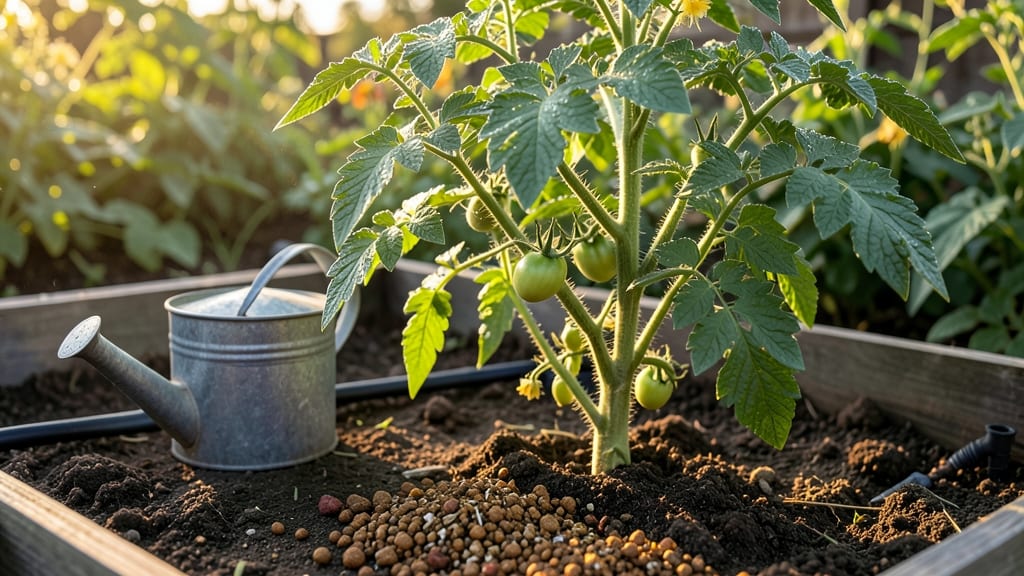
Caring for tomato plants in containers means summer harvests even on balconies or patios. 🌱 My first container tomatoes produced 20 pounds—more than my in-ground plants—and I’ve since perfected the system for consistent results.
The key isn’t just the pot size, but how you balance soil, water, and sunlight to keep vines thriving in limited space.
You’ll need containers at least 12 inches deep (5-gallon buckets work great), well-draining soil mixed with compost, and a spot that gets 6-8 hours of sun daily. Most beginners overwater or under-prune, both of which stunt growth.
I learned that the hard way after my first plants flopped from soggy soil—now I check moisture with my finger before watering.
With the right care, you’ll see vines stretching toward the sky and bright red tomatoes ripening by midsummer. The secret’s in the details: regular pruning to encourage fruit production, supporting heavy vines with stakes, and fertilizing every 2-3 weeks with balanced tomato food.
Even small spaces can yield bushels if you follow these steps.
This method works for cherry tomatoes, beefsteaks, and everything in between. Whether you’re a first-timer or a seasoned container gardener, these proven techniques will help you grow healthier plants and bigger harvests. Let’s get those containers planted!
📚 In This Guide
- What you need
- Instructions
- Tips and common mistakes
- Wrapping up and next steps
What you need
- ● Containers: Minimum 5-gallon capacity per plant (bigger is better for indeterminate varieties).
- ● Drainage holes (non-negotiable—no soggy roots!)
- ● Lightweight pots (fabric grow bags or plastic work well).
- ● Potting Mix: High-quality, well-draining container mix (avoid garden soil—it compacts!).
- ● Tomato Plants: Disease-resistant varieties (e.g., 'Cherry Tom,' 'Roma,' or 'Better Boy').
- ● Fertilizer: Balanced, slow-release granules (10-10-10) or organic options like compost or worm castings.
- ● Support System: Cages (5-6 ft tall for indeterminate varieties).
- ● OR Trellis/bamboo stakes (for climbing support).
- ● Watering Can or Hose: With a gentle spray nozzle (avoid overhead watering to prevent disease).
- ● Mulch: Straw or shredded leaves (to retain moisture and suppress weeds).
- ● Self-watering system: Drip irrigation or a wicking bed to automate care.
- ● Epsom salt: For magnesium boosts (1 tbsp per gallon of water, monthly).
- ● Reflective mulch: Aluminum foil or white plastic to deter pests.
- ● Grow lights: If growing indoors or in low-light areas.
- ● Pruning shears: For shaping and removing suckers.
Step-by-step guide for thriving container tomatoes
Here's how I keep my container tomatoes producing heavy fruit all season—no guesswork, just proven techniques.
🪴 Step 1: Select the Right Container and Soil Mix
Choose a container that's at least 18-24 inches deep and 12-18 inches wide for each plant—tomatoes need room for roots to spread and anchor. I opt for fabric grow bags because they allow excess water to evaporate through the walls, preventing root rot. If using traditional pots, make sure they have multiple drainage holes.
Fill the container with a high-quality, well-draining potting mix. I mix 60% potting soil, 30% compost, and 10% perlite or vermiculite to ensure good aeration. Avoid garden soil—it compacts in containers and suffocates roots. Moisten the mix until it's damp but not soggy, like a wrung-out sponge.
☀️ Step 2: Position for Maximum Sunlight and Airflow
Tomatoes thrive in full sun—at least 6-8 hours daily. Place your containers in the sunniest spot on your patio or balcony, ideally facing south or west. If you're growing in a shaded area, choose a dwarf or patio variety like 'Tiny Tim' or 'Balcony Red.'
Ensure good airflow by spacing containers 18-24 inches apart. Poor circulation invites fungal diseases like blight. If you're growing in a crowded space, consider a small fan on low setting near the plants to keep air moving. You'll notice healthier foliage and fewer yellow leaves when airflow is optimal.
💧 Step 3: Water Deeply and Consistently
Container tomatoes dry out faster than in-ground plants, so water when the top 1-2 inches of soil feel dry. I use the finger test—stick your index finger into the soil. If it feels dry past your first knuckle, it's time to water. Water deeply until it runs out the drainage holes, then let the pot drain completely.
Avoid wetting the leaves when watering—this promotes disease. Instead, water at the base of the plant in the morning so foliage has time to dry before evening. Mulch the soil surface with 1-2 inches of straw or shredded leaves to retain moisture and keep roots cool. Overwatering is just as harmful as underwatering—roots need oxygen to thrive.
✂️ Step 4: Prune and Support for Strong Growth
Install a sturdy tomato cage or trellis when you transplant seedlings to provide support as vines grow. I use 5-6 foot tall cages for indeterminate varieties and 3-4 foot stakes for determinate types. Prune suckers—those little shoots that grow in the crotch between the main stem and a branch—when they're about 2 inches long.
Remove lower leaves that touch the soil to improve airflow and reduce disease risk. Pinch off any flowers that appear before the plant has established a strong root system—usually after it's been in the container for 4-6 weeks. This encourages the plant to focus on growing a robust vine before fruiting. You'll see stronger stems and heavier yields when you prune strategically.
🌿 Step 5: Fertilize and Monitor for Pests
Feed your container tomatoes every 2-3 weeks with a balanced, water-soluble fertilizer (like 10-10-10) diluted to half-strength. I also add a handful of compost around the base of the plant monthly to replenish nutrients. Avoid high-nitrogen fertilizers—they promote leafy growth at the expense of fruit production.
Check the undersides of leaves regularly for pests like aphids or spider mites. I spray plants with a mix of 1 tablespoon neem oil + 1 teaspoon mild dish soap per gallon of water if I spot any pests. Early intervention prevents infestations from becoming unmanageable. Healthy plants with good airflow rarely attract pests, so prevention starts with proper care.
Tips & tricks for thriving container tomatoes
Mastering container tomatoes takes more than just planting—it's about creating the perfect growing environment. These insights will help you avoid common pitfalls and maximize your harvest.
Container Selection: Fabric grow bags are my go-to because they prevent root circling and allow excess moisture to evaporate, but traditional pots work too—as long as they're at least 18 inches deep. I've learned the hard way that shallow containers stunt root growth, leading to smaller yields. Look for containers with drainage holes or add your own if using decorative pots. The extra inch or two in depth makes a surprising difference for indeterminate varieties.
Soil Mix Secrets: That 60-30-10 ratio of potting soil to compost to perlite isn't arbitrary—it creates the perfect balance. The compost provides nutrients while the perlite prevents compaction. Pro tip: Sterilize your soil mix by baking it in the oven at 200°F for 30 minutes before planting to kill any fungal spores lurking in the mix. This simple step has cut my early blight issues by half.
Sunlight Optimization: Those 6-8 hours of sunlight are non-negotiable, but don't just place your containers anywhere sunny. Rotate them every few days to ensure even growth—plants will lean toward the light source if not moved. For balcony growers, south-facing positions get the most consistent light, but west-facing spots actually get hotter afternoon sun that can be ideal for ripening fruit faster. Just be prepared to water more frequently in these locations.
Watering Strategy: The finger test is your best friend, but timing matters too. Water in the morning so leaves have all day to dry, reducing fungal risks. I've found that container tomatoes actually prefer slightly drier conditions than in-ground plants—let the top 2 inches dry out completely between waterings. This prevents the dreaded blossom-end rot that plagues so many container growers. A self-watering system with a reservoir can help maintain consistent moisture without overwatering.
Pro Tips for Caring For Tomato Plants In Containers
- Mastering container tomatoes takes more than just planting—it's about creating the perfect growing environment.
- Container Selection: Fabric grow bags are my go-to because they prevent root circling and allow excess moisture to evaporate, but traditional pots work too—as long as they're at least 18 inches deep.
- Soil Mix Secrets: That 60-30-10 ratio of potting soil to compost to perlite isn't arbitrary—it creates the perfect balance.
Frequently asked questions
Got questions about growing tomatoes in containers? You’re not alone! Here are answers to the most common queries to help you cultivate thriving vines with confidence.
What’s the best container size for tomato plants?
For determinate (bush) tomatoes, aim for at least 12–15 gallons (5-gallon buckets work for small varieties). Indeterminate (vining) tomatoes need 15–25+ gallons—think large fabric grow bags or half barrels. Deeper is better for root growth!
How often should I water container-grown tomatoes?
Containers dry out fast! Water daily in hot weather (check soil moisture—top inch should be dry). Use a self-watering system or drip irrigation to maintain consistency. Mulch helps retain moisture, but avoid soggy soil to prevent root rot.
Can I grow tomatoes in containers without pruning?
Yes, but pruning boosts yields! Determinate tomatoes rarely need pruning, but indeterminate types thrive with regular pruning (remove suckers, tie vines to stakes). Skip pruning if you prefer low-maintenance plants—just expect fewer (but still tasty!) fruits.
What pests should I watch for in container tomatoes?
Common culprits include aphids, hornworms, and whiteflies. Inspect leaves daily! Use neem oil or soapy water sprays for mild infestations. Introduce beneficial insects (like ladybugs) or handpick larger pests. Elevate containers to deter slugs and snails.
How do I protect container tomatoes from extreme heat?
Tomatoes hate temps above 90°F (32°C). Provide afternoon shade with a breathable shade cloth or move containers to a cooler spot. Water deeply in the morning to cool roots. Varieties like ‘Solar Fire’ or ‘Heatmaster’ tolerate heat better than standard types.
Wrapping up and next steps
Caring for tomato plants in containers is a rewarding journey that brings fresh, flavorful harvests right to your doorstep—literally! With the right container, soil, sunlight, and watering routine, you’ll be well on your way to growing bountiful, healthy vines.
Remember, patience and consistency are key, so don’t hesitate to experiment and learn from each season.
Now that you’re armed with expert tips, why not plant your first container tomato today? Start small, track your progress, and soon you’ll be sharing homegrown tomatoes with neighbors—or enjoying them straight from the vine! 🌱🍅