
Planting
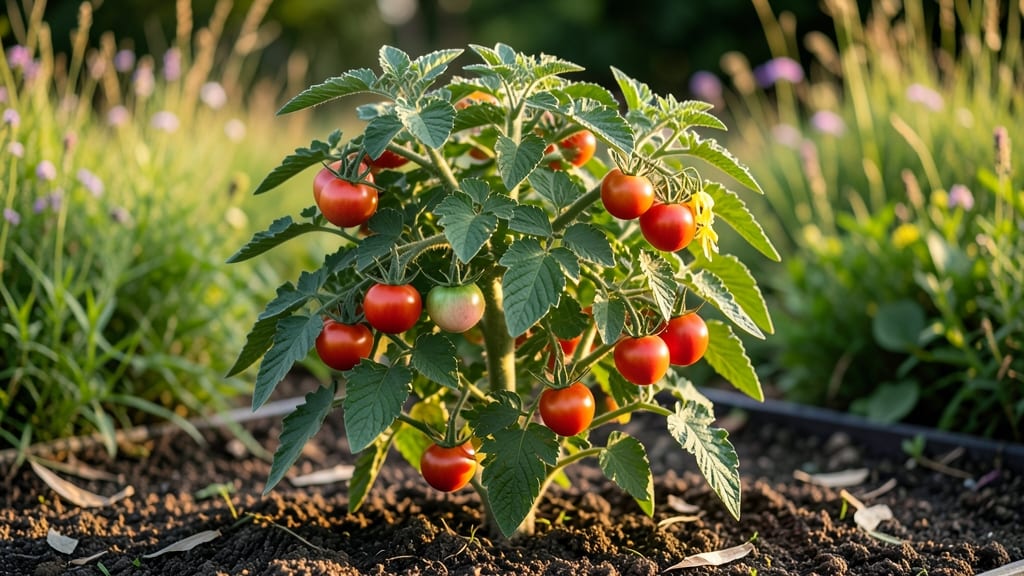
Growing a Bush Champion tomato that produces 10-pound fruits starts with understanding its secret: this indeterminate giant packs the vigor of a vine into a compact bush shape. 🌱 I planted mine last spring after years of struggling with floppy tomato plants—this one stands strong, saving space while delivering beefsteak-sized tomatoes that taste like summer in every bite.
The magic happens in well-draining soil mixed with compost, 6+ hours of sunlight daily, and 5-gallon containers for containers or 24-inch spacing in-ground.
Water deeply 2-3 times per week (more in heatwaves) and fertilize with tomato-specific feed every 4-6 weeks—skip the heavy nitrogen, it’s all about those sweet, meaty fruits. Pruning is minimal: just remove suckers below the first flower cluster to focus energy upward.
Watch for hornworms and blossom end rot (calcium spray helps), but otherwise, these plants throw off disease resistance like it’s nothing. By mid-summer, you’ll be harvesting tomatoes so big they need two hands.
Perfect for small gardens, patios, or even large pots—this variety proves you don’t need acres to grow restaurant-quality tomatoes. Here’s how to make it work in your space!
📚 In This Guide
- What you need
- Instructions
- Tips and common mistakes
- Wrapping up and next steps
What you need
- ● Bush Champion tomato seeds or seedlings: 1-3 plants (depending on space). Choose indeterminate varieties labeled as "Bush Champion" or similar.
- ● Containers or garden bed: Containers: 5-gallon fabric pots or plastic pots (minimum 18" deep × 24" wide) for each plant.
- ● Garden bed: Full sun (6+ hours/day) with well-draining soil. Amend with compost for nutrient-rich soil.
- ● High-quality potting mix: 1 bag (2-3 cubic feet) of sterile, well-draining mix (e.g., 60% compost, 30% coconut coir, 10% perlite).
- ● Tomato cages or stakes: 6-8 ft tall heavy-duty cages (or bamboo stakes + twine) to support vines.
- ● Fertilizer: Balanced starter fertilizer: 5-10-10 or similar (follow label for dilution).
- ● Organic tomato fertilizer: 3-4-6 or 5-7-9 (e.g., fish emulsion, compost tea, or worm castings).
- ● Mulch: Straw or black plastic (to retain moisture and suppress weeds).
- ● Watering can or hose with nozzle: For gentle, deep watering (1-2 gallons per plant, 2-3x/week).
- ● Pruning shears: Sharp, clean pair for trimming suckers and dead leaves.
- ○ Growth regulators: Optional bloom boosters (e.g., calcium nitrate or kelp meal) for heavier fruit set.
- ● Drip irrigation system: Automates watering and reduces stress on plants.
- ● Row covers or shade cloth: Protects from early/late frost or intense afternoon sun.
- ● pH test kit: Ensures soil pH is 6.0-6.8 (tomatoes thrive in slightly acidic soil).
- ● Compost tea or mycorrhizal fungi: Boosts root health and nutrient uptake.
- ● Harvest basket or knife: A small, sharp knife for clean cuts when picking those 10-pound beauties!
Step-by-step guide to growing Bush Champion tomatoes
These indeterminate giants deliver monster harvests—here’s how to coax their full potential.
🌱 Step 1: Select and Prepare the Perfect Site
Bush Champion tomatoes thrive in full sun—at least 8 hours daily—so choose a location with no afternoon shade. I always test my spot in early spring by observing how many hours the area stays sunlit. These plants need space too: 3 feet between plants and 4 feet between rows to prevent fungal diseases from crowded foliage.
Amend the soil with 2-3 inches of compost mixed into the top 12 inches of soil. Bush Champions are heavy feeders, so I add a handful of balanced organic fertilizer (5-5-5) at planting time. The goal is loose, fertile soil that drains well but holds moisture—think of it as a sponge that wrings out water without drowning roots.
🌱 Step 2: Plant Transplants at the Right Time
Wait until nighttime temperatures stay above 55°F before transplanting—these tomatoes are sensitive to cold. I plant mine 2-3 weeks after the last frost date in my zone, which gives the soil time to warm up. Dig a hole twice as wide as the root ball but no deeper—burying the stem too deeply invites rot.
Gently tease the roots outward if they’re circling the pot, then place the plant in the hole so the top of the root ball sits 1 inch below soil level. This ensures the stem stays above ground while the roots establish. Water deeply right after planting to settle the soil and eliminate air pockets around the roots.
☀️ Step 3: Provide Support and Prune Strategically
Bush Champions grow 6-8 feet tall but stay compact, so I install a sturdy 5-foot tomato cage at planting time. These plants don’t need suckers removed like traditional indeterminates—they produce fruit along the entire stem. Instead, focus on removing lower leaves that touch the soil to prevent disease and improve airflow.
As the plant grows, gently weave the main stem through the cage’s openings to distribute weight. Avoid tying the stem tightly—Bush Champions have strong stems that can snap if restrained too much. Once flowers appear, I add a low-nitrogen fertilizer (10-10-10) every 3-4 weeks to encourage fruit set over leafy growth.
💧 Step 4: Water Deeply and Consistently
These tomatoes demand 1-2 inches of water weekly, delivered at the base of the plant—not overhead. I water in the morning to let foliage dry before evening, reducing fungal risks. The key is consistency: let the soil dry 1 inch below the surface between waterings, then soak deeply until water runs out the bottom of the cage.
Mulch with 2-3 inches of straw or shredded leaves to retain moisture and suppress weeds. Avoid synthetic mulches—they can overheat the soil. You’ll know your watering is right when the soil feels like a damp sponge: moist but not soggy, with no puddles lingering.
✂️ Step 5: Harvest and Extend the Season
Bush Champions produce fruit all season, so check for ripe tomatoes every 2-3 days starting 60-70 days after transplanting. Gently twist fruits from the vine—don’t pull them, or you’ll risk damaging the stem. The first tomatoes are usually smaller, but they’ll grow larger as the plant matures.
To prolong harvests, cover plants with frost cloth when nighttime temps dip below 50°F. These tomatoes are sensitive to cold, but a little protection lets you extend the season by 2-3 weeks. Save seeds from your best fruits by scooping out the gel, fermenting it for 3 days, then rinsing and drying the seeds on paper towels.
Tips & tricks for growing Bush Champion tomatoes
These simple strategies will help you coax the absolute best from your Bush Champion tomato plants—because even the most determined gardeners can run into snags.
Soil Prep Secret: When amending the soil with 2-3 inches of compost and 12 inches deep, mix in a handful of egg shells (crushed) along with the balanced fertilizer. The calcium helps prevent blossom-end rot, which these heavy fruit producers are prone to. I crush mine in a food processor and sprinkle it right into the planting hole—it dissolves slowly and gives a steady calcium boost.
Transplant Timing Hack: If your last frost date is uncertain, use a soil thermometer to confirm the soil temperature has reached at least 60°F before planting. Cold soil slows root establishment, and Bush Champions need to get off to a fast start. I’ve found that even if nighttime air temps dip below 55°F, soil warmth is more critical for these heat-loving plants.
Cage Placement Tip: Install your 5-foot tomato cage slightly off-center in the planting hole—about 2 inches toward the north side. This prevents the plant from growing directly into the cage’s center, where it can become crowded and susceptible to disease. The slight offset also makes it easier to weave the stem through the cage openings as it grows.
Watering Consistency: The 1-2 inches of weekly water should be delivered in two deep waterings rather than daily shallow ones. I use a rain gauge to measure exactly 1-2 inches, then water slowly at the base until it runs out the bottom of the cage. This mimics natural rainfall patterns and encourages deep root growth. The mulch layer helps maintain this moisture balance without needing constant watering.
Pro Tips for Bush Champion Tomato Plant
- These simple strategies will help you coax the absolute best from your Bush Champion tomato plants—because even the most determined gardeners can run into snags.
- Soil Prep Secret: When amending the soil with 2-3 inches of compost and 12 inches deep, mix in a handful of egg shells (crushed) along with the balanced fertilizer.
- Transplant Timing Hack: If your last frost date is uncertain, use a soil thermometer to confirm the soil temperature has reached at least 60°F before planting.
Frequently asked questions
Got questions about growing Bush Champion tomato plants? You’re not alone—these giants need special care! Here are answers to the most common queries to help you grow 10-pound tomatoes like a pro.
How tall do Bush Champion tomato plants get?
Despite the name, Bush Champion tomatoes are indeterminate, meaning they can grow 10–15 feet tall (or taller!) with proper support. Unlike true bush varieties, they’ll keep producing fruit all season long if pruned and staked correctly. Think of them as "bushy" in growth habit but skyscraper-sized in reality!
When should I plant Bush Champion tomatoes?
Start seeds 6–8 weeks before your last frost date indoors for early harvests. Transplant seedlings outdoors after soil temps hit 55°F+ and nighttime temps stay above 50°F. For warm climates, direct-sow seeds in late spring (April–May). Pro tip: Use black plastic mulch to warm soil faster and deter weeds!
Can I grow Bush Champion tomatoes in containers?
Yes! These vining giants thrive in 5-gallon+ containers with trellis support. Choose a pot with drainage holes and use a lightweight potting mix (add perlite for aeration). Expect slightly smaller yields than in-ground plants, but they’ll still produce 5–8 lb tomatoes per plant. Bonus: Move pots to sunny spots as the season progresses!
What pests or diseases should I watch for?
Common threats include hornworms (devour leaves overnight!), aphids (twist leaves), and blight (brown spots on fruit). Prevent pests with neem oil or row covers. For blight, prune lower leaves for airflow and avoid overhead watering. Quick fix: Remove infected foliage immediately to stop spread.
Why aren’t my Bush Champion tomatoes ripening?
Ripening issues often stem from cool nights (<55°F), poor pollination, or overcrowding. Hand-pollinate flowers with a small brush if bees are scarce. Black plastic mulch or row covers can warm soil/fruit. If plants are shaded, prune nearby foliage to boost sunlight. Last resort: Harvest green tomatoes and ripen indoors with a banana!
Wrapping up and next steps
Growing Bush Champion tomato plants is a rewarding journey that delivers massive harvests with minimal space! These indeterminate giants prove that big rewards come from smart planning—whether you’re a seasoned gardener or just starting out.
With the right soil, support, and care, you’ll soon be basking in the glory of 10-pound tomatoes (or more!) straight from your backyard.
Ready to take the next step? Start small—plant a single Bush Champion this season, experiment with pruning techniques, and track your progress. Before you know it, you’ll be sharing your bounty with neighbors (or turning it into sauces, salsas, and sandwiches!). Happy growing—your future tomato feasts await! 🍅✨