
Companion Plants
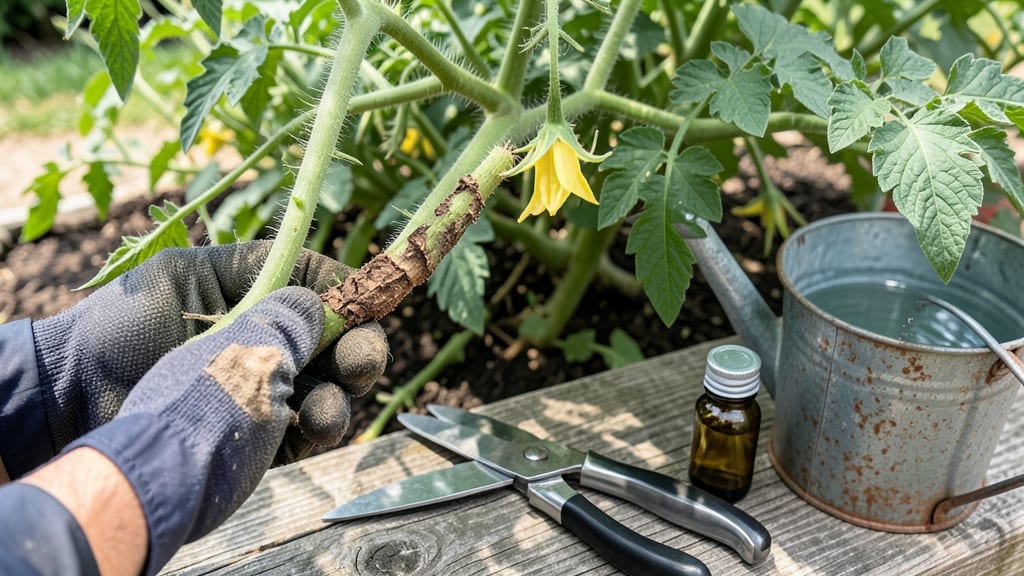
Brown stems on tomato plants mean your plants are screaming for help—often from calcium deficiency, but not always. 🌱 I’ve seen this problem turn thriving vines into sad, brittle sticks, but with the right fix, you can bring them back to life in just a few days.
The key is acting fast and checking for other hidden issues like blight or root rot.
First, confirm it’s calcium by looking for other signs: yellowing leaves between veins, blossom-end rot on fruit, or stems that snap easily.
This isn’t just a tomato problem—it’s a classic sign your soil isn’t providing enough calcium, especially in hot weather when plants drink up water faster than roots can deliver nutrients. The good news? It’s easier to fix than you think.
Here’s the game-changer: a mix of crushed eggshells (for slow-release calcium), gypsum (to adjust soil pH without adding nitrogen), and consistent watering (deep soaks every 2–3 days, not daily sprinkles). Within 7–10 days, new growth should firm up, and those sad stems will start supporting healthy leaves again.
Prevent future problems by testing your soil every 2–3 years and adding compost rich in organic matter. If your tomatoes are in containers, swap out the top 2 inches of soil annually—it’s the fastest way to keep nutrients fresh.
Trust me, your plants will thank you with juicier tomatoes and stronger stems by harvest time.
Root Causes Of Stem Discoloration
When your tomato plants start showing brown, discolored stems, it’s often a sign that something’s gone wrong beneath the soil—or even in the air. Understanding the why behind this issue is the first step to saving your plants.
Below, we break down the most common culprits, backed by science, so you can diagnose the problem like a pro.
Tomato plants are calcium-hungry—especially when they’re growing fast or under stress. Calcium is essential for cell wall strength, and when levels drop, stems weaken, leading to brown, corky, or even rotting patches. This is often called blossom-end rot’s big sibling because it affects the plant’s structural integrity.
Why it happens:
- Poor soil calcium levels: Sandy or acidic soils naturally lack calcium, and even fertile soil can become depleted after repeated harvests.
- Overwatering or uneven moisture: Too much water dilutes calcium uptake, while inconsistent watering (e.g., dry spells followed by heavy watering) stresses roots, preventing them from absorbing nutrients efficiently.
- High nitrogen fertilizer: While nitrogen fuels leafy growth, it can outcompete calcium absorption, leaving stems vulnerable.
- Root damage or disease: If roots are compromised (e.g., from Fusarium wilt or root-knot nematodes), they can’t deliver calcium to the stems effectively.
🔍 Quick test: If the brown stems are hard and corky (like a tree branch), calcium deficiency is likely. If they’re soft, mushy, or oozing, a fungal or bacterial infection may be the real issue.
Fungi like Phytophthora or Fusarium thrive in moist, warm conditions and can cause brown, sunken, or water-soaked stem lesions. Unlike calcium issues, fungal infections often spread upward from the soil, cutting off water and nutrient flow.
Why it happens:
- Overhead watering: Wet foliage creates the perfect breeding ground for spores. Splashing soil onto leaves during watering can introduce pathogens directly.
- Poor drainage: Waterlogged soil (common in containers or clay-heavy gardens) suffocates roots and invites fungal growth.
- High humidity + warm temps: Ideal conditions for fungi (think: 80°F+ with 70%+ humidity) accelerate spread.
- Old or diseased plant debris: Fungal spores can linger in old mulch, stakes, or compost, reinfecting new plants.
💡 Pro tip: Scrape a small section of brown stem—if it peels away like wet paper or smells musty, fungi are likely the culprit. Act fast: Remove infected plants immediately to prevent spread.
While pests like tomato hornworms or cutworms are famous for munching leaves, they can also strip stems, leaving brown, jagged marks. Even aphids or spider mites can weaken stems by siphoning sap, making them prone to disease.
Why it happens:
- Physical chewing: Hornworms or cutworms girdle stems (chew all the way around), severing nutrient flow and causing browning above the damage.
- Sap-sucking pests: Aphids and mites inject toxins while feeding, stressing the plant and making stems brittle and brown.
- Late-season infestations: As plants mature, pests target softer, more nutrient-rich stems, especially in stressed or overcrowded gardens.
🕵️♂️ Look for clues:
- Holes or frass (insect droppings) near brown spots.
- Sticky residue (honeydew) from aphids.
- Webbing or tiny specks (mites) on stems.
💡 Act now: Handpick large pests at dawn or use neem oil for sap-suckers. Prune damaged stems below the injury to prevent further spread.
Tomatoes are tropical plants at heart—they hate extremes. Sudden temperature swings, harsh winds, or even too much sun can scorch stems, causing them to brown and die back.
Why it happens:
- Extreme heat or cold:
- Heat stress (>95°F): Causes stems to bleach or scorch, especially in varieties not bred for high heat.
- Frost or cold snaps (<50°F): Damages cell membranes, leading to brown, crispy stems.
- Windburn: Fast-moving air desiccates stems, making them dry out and turn brown, especially in young or tender plants.
- Sun scald: Intense afternoon sun (especially after overcast days) can burn stems exposed by pruning or staking.
🌡️ Prevention checklist:
- Use shade cloth (30-50%) during heatwaves.
- Mulch heavily to protect roots from temperature swings.
- Stake or cage plants early to prevent wind damage.
- Avoid pruning in peak sun—do it in early morning.
🔎 Next steps: Now that you know the why, the fix depends on the cause. Jump to our 3-step solution to restore your tomato plants—before it’s too late!
How to Fix Weakened Tomato Stems
Now that you know the root causes behind those unsightly brown stems on your tomato plants, it’s time to take action! The good news? Most fixes are simple, cost-effective, and can be implemented in just a few steps.
Below, we’ve mapped out practical solutions for each common cause—plus prevention tips to keep your plants thriving.
---
If your tomato stems are browning due to a lack of calcium, your plants are essentially suffering from a "hidden hunger." Here’s how to restore balance:
#### 1️⃣ Boost Calcium with Fast-Acting Fixes 🔥 - Epsom Salt Soak (Quick Relief): Mix 1 tablespoon of Epsom salt (magnesium sulfate) in 1 gallon of water and use it to water your plants at the base.
Repeat every 3–4 days for 2 weeks. Why? Magnesium helps calcium absorption, and sulfur supports overall plant health. - Pro Tip: 💡 Apply in the early morning or late afternoon to prevent leaf burn from evaporation.
- Crushed Eggshells (Organic Calcium Bomb): Rinse 1 cup of crushed eggshells (baked and ground for faster breakdown) and sprinkle them around the base of the plant. Lightly scratch the soil surface to encourage contact with roots.
Refresh every 2–3 weeks. - Pro Tip: 🌡️ For faster results, soak eggshells in vinegar for 24 hours before crushing—this dissolves calcium carbonate quickly.
- Calcium-Rich Fertilizer (Long-Term Solution): Switch to a balanced fertilizer with calcium, like 15-5-15 + calcium nitrate or kelp meal. Follow package instructions for application rates. - Avoid: Over-fertilizing with high-nitrogen mixes (like 10-10-10), which can worsen calcium uptake.
#### 2️⃣ Improve Soil Drainage & Moisture Control 💧 Brown stems often worsen when roots struggle with too much or too little water.
Fix it with these tweaks: - Mulch Like a Pro: 👨🍳 Spread 2–3 inches of organic mulch (straw, wood chips, or grass clippings) around the plant (but not touching the stem).
This keeps soil moist but not soggy and regulates temperature. - Water Deeply, Less Often: 🥘 Use a drip irrigation system or water at the base (not the leaves) in the early morning.
Aim for 1–1.5 inches of water per week, adjusting for heat. - Raise Beds for Poor Soil: If your garden soil is clay-heavy or compacted, consider elevated beds or container growing with a 50/50 mix of potting soil and compost.
#### 3️⃣ Prevent Future Deficiencies ✨ - Test Your Soil: 📊 Use a DIY soil test kit (available at garden centers) to check pH and calcium levels.
Ideal pH for tomatoes: 6.0–6.8. - Companion Plants to the Rescue: 🌿 Plant basil, marigolds, or borage nearby—they repel pests that stress plants and improve soil structure. - Rotate Crops: ⏰ Avoid planting tomatoes in the same spot yearly—this depletes calcium.
Rotate with beans, peas, or lettuce to replenish nutrients.
---
If brown, mushy stems are accompanied by black spots, wilting, or foul smells, you’re likely dealing with fungal (early blight, fusarium wilt) or bacterial (bacterial wilt) infections. Act fast!
#### 1️⃣ Remove & Dispose of Infected Plants ⚰️ - Do NOT compost infected plants—burn or bag them to prevent spread. - Sterilize Tools: 🔪 Wipe pruners with rubbing alcohol between cuts to avoid cross-contamination.
#### 2️⃣ Apply Fungicide or Bacterial Spray 🛡️ - Copper-Based Fungicide: 🍳 Spray copper hydroxide or copper sulfate (like Bordeaux mixture) on leaves and stems every 7–10 days. Best for: Early blight, bacterial spot. - Neem Oil (Preventative): 🌿 Mix 1 tbsp neem oil + 1 tsp mild soap in 1 quart of water.
Spray every 5–7 days to prevent fungal spores from taking hold. - Bacterial Wilt? ❌ No cure exists—remove infected plants immediately and disinfect soil with hydrogen peroxide (3%) if growing in containers.
#### 3️⃣ Improve Airflow & Reduce Humidity 🌬️ - Prune Wisely: 🪒 Trim lower leaves (up to 12 inches from the ground) to reduce humidity near the stem. - Space Plants 18–24 inches apart to prevent overcrowding. - Avoid Overwatering: 🚫 Let the top inch of soil dry between waterings.
#### 4️⃣ Strengthen Plant Immunity 💪 - Compost Tea: 🥗 Brew compost tea (steep compost in water for 24–48 hours, strain) and use as a foliar spray to boost natural defenses. - Beneficial Bacteria: 🦠 Add mycorrhizal fungi or bacillus subtilis (like Serenade ASO) to soil to outcompete harmful pathogens.
---
If stems are browning from wind, hail, or poor support, your tomatoes need mechanical fixes to recover.
#### 1️⃣ Provide Sturdy Support 🪵 - Cage or Stake: Install tomato cages or bamboo stakes early (before plants get top-heavy). - Tie Gently: 🧵 Use soft plant ties or old T-shirts (not wire) to secure stems—never bind too tightly.
#### 2️⃣ Protect from Wind & Hail 🌬️ - Windbreaks: 🏞️ Plant tall sunflowers or corn on the windward side of your garden. - Row Covers: 🛡️ Use floating row covers in early spring to shield young plants from late frosts or hail.
#### 3️⃣ Revive Stressed Plants 🌱 - Trim Damaged Areas: ⏰ Use sterilized scissors to snip off brown, mushy stems (but never more than 1/3 of the plant). - Hydrate & Feed: 💦 Water deeply and apply a balanced fertilizer (like 5-5-5) to encourage regrowth.
---
To keep your tomato stems strong and green, follow this year-round plan: | Step | Action | When | |-------------------------|---------------------------------------------------------------------------|------------------------| | Soil Prep | Mix crushed eggshells or lime into soil (follow package rates). | Fall or Early Spring | | Companion Planting | Add basil, marigolds, or nasturtiums near tomato patches. | Planting Season | | Mulching | Apply organic mulch after soil warms up. | Spring | | Monitor Moisture | Use a moisture meter or stick your finger in soil to check depth. | All Season | | Rotate Crops | Avoid planting tomatoes in the same spot for 3+ years. | Fall Cleanup | | Store Seeds Properly| Keep tomato seeds in a cool, dry place to prevent fungal contamination. | Post-Harvest |
--- Final Thought: 🎯 Brown stems don’t mean your tomato plants are doomed—they just need a little TLC!
Frequently asked questions
Why do my tomato stems turn brown even when I water them regularly?
Brown stems often signal more than just thirst—it could be calcium deficiency (common in sandy soils) or fungal disease like early blight. Check for hard, corky stems (calcium issue) or soft, mushy spots (fungus). Try deep watering at the base in mornings and add crushed eggshells for calcium. If stems feel slimy, remove infected plants immediately to stop spread.
Can I save tomato plants with brown stems caused by disease?
It depends! For fungal issues like early blight, prune affected stems below the damage and apply copper fungicide every 7-10 days. If bacterial wilt is present (wilting + yellowing), there's no cure—remove the plant completely to protect others. Always sterilize pruners with rubbing alcohol between cuts to prevent cross-contamination.
How quickly should I expect to see improvement after treating calcium deficiency?
With proper treatment, you should notice new growth firming up within 7-10 days. Start by applying crushed eggshells or Epsom salt solution immediately, then maintain consistent moisture. For severe cases, combine with a calcium-rich fertilizer. Monitor stems daily—healthy new growth should appear within 2-3 weeks if roots are otherwise healthy.
Are there any tomato varieties more resistant to brown stem issues?
Yes! Disease-resistant varieties like 'Mountain Merit' or 'Better Boy' handle calcium stress better, while 'Celebrity' tomatoes show good resistance to early blight. For containers, try 'Tiny Tim'—its compact size reduces stress from overwatering. Always choose heirloom varieties with disease resistance labels if brown stems are a recurring problem in your garden.
What's the best way to prevent brown stems next growing season?
Start with a soil test to check calcium levels and pH (aim for 6.0-6.8). Amend soil with compost and crushed eggshells in fall, then mulch heavily to maintain even moisture. Rotate crops annually—avoid planting tomatoes in the same spot for 3+ years. Use drip irrigation instead of overhead watering to keep foliage dry and prevent fungal spores.