
Planting
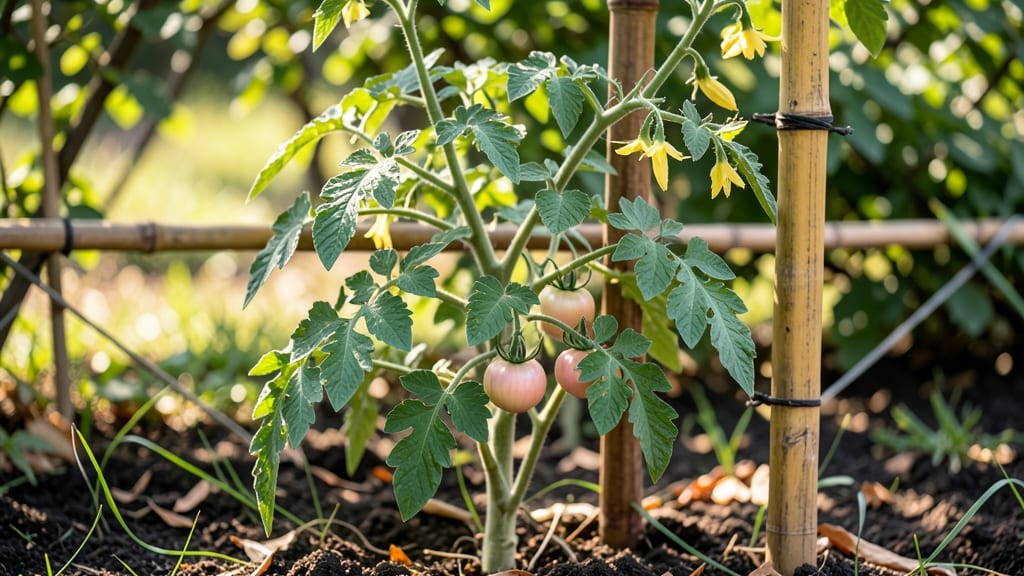
Blush tomato plants are the unsung heroes of summer—sweet, pink-fleshed gems that burst with flavor when you get their growth habits right. 🌱 Determinate varieties stay compact, producing all their fruit at once, while indeterminate types climb and keep yielding until frost.
I’ve grown both, and the difference in harvest timing and plant shape completely changes how you garden with them.
Determinate blush tomatoes thrive in cages or staked rows, perfect for small spaces or container gardens. Indeterminate types need strong trellises and regular pruning to channel energy into fruit instead of foliage.
The blush variety’s tender, pink-tinged flesh stays firm even when ripe, making it ideal for slicing, salads, or sun-dried tomatoes—no mealy texture here.
You’ll know you’ve nailed the care when plants stay disease-resistant and produce 100+ pounds per season with proper support. The key is balancing water, nutrients, and pruning to avoid cracking or blossom-end rot. Even my first attempt yielded enough tomatoes to share with neighbors.
Whether you’re working with a 4-foot-tall determinate bush or a 6-foot indeterminate vine, these techniques adapt easily. Let’s get those blush tomatoes thriving!
📚 In This Guide
- What you need
- Instructions
- Tips and common mistakes
- Wrapping up and next steps
What you need
- ● Blush tomato seeds or seedlings: Choose determinate (bush-type) or indeterminate (vining) varieties based on your space and goals.
- ● Containers or garden bed: For containers: 5-gallon pots (1 per plant) with drainage holes.
- ● For in-ground planting: Well-draining soil, full sun (6–8+ hours/day), and space (18–24" apart for determinate; 24–36" apart for indeterminate).
- ● High-quality potting mix: 1–2 bags of organic, well-aerated soil (e.g., Miracle-Gro Potting Mix or homemade blend: 60% compost, 30% coconut coir, 10% perlite).
- ● Fertilizer: Balanced starter fertilizer: 10-10-10 or 5-5-5 (follow package rates).
- ● Tomato-specific fertilizer: High in potassium/phosphorus (e.g., Espoma Tomato-Tone) for fruiting.
- ● Support structures: Determinate: Cages (4–5 ft tall) or stakes (6 ft).
- ● Indeterminate: Tall stakes (6–8 ft), trellises, or tomato towers.
- ● Mulch: Straw or shredded leaves (2–3 inches) to retain moisture and suppress weeds.
- ● Basic tools: Trowel, pruners, gloves, watering can/hose with adjustable nozzle.
- ○ Soil test kit: Optional but helpful to check pH (ideal: 6.0–6.8).
- ● Drip irrigation or soaker hoses: For consistent watering (especially in containers).
- ● Pruning shears: For indeterminate varieties (remove suckers for better air flow).
- ○ Shade cloth (30–50%): Optional for hot climates to protect young plants.
Understanding blush tomato growth patterns
Here's how to choose between determinate and indeterminate blush tomatoes for your garden.
🌱 Step 1: Identify Determinate Blush Tomato Characteristics
Determinate blush tomatoes grow in a compact bush shape, reaching 3-5 feet tall with limited vertical growth. These varieties produce fruit all at once over a 2-3 week harvest window, making them perfect for canning or fresh eating in abundance. Look for cultivars like 'Patio', 'Roma', or 'Celebrity'—these stay contained without staking, ideal for containers or small spaces.
You'll notice their main stem ends in a flower cluster, with side branches growing outward. This growth habit naturally limits size, reducing the need for pruning. The trade-off? Once they stop producing, the harvest ends abruptly. I always plant determinate varieties in rows for easy picking, as the fruit ripens uniformly.
🌿 Step 2: Recognize Indeterminate Blush Tomato Traits
Indeterminate blush tomatoes grow continuously, producing vines that can reach 6-10+ feet tall with ongoing fruit production until frost. Varieties like 'Blush', 'Mountain Merit', or 'Better Boy' thrive on trellises, producing fruit over 3-4 months if conditions are right. You'll see new leaves and flowers emerging at the tips of branches throughout the season.
These plants require more attention—regular pruning to remove suckers (side shoots in leaf axils) and consistent staking or caging. The reward? A steady supply of tomatoes until cold weather stops growth. I always train indeterminate vines vertically to save space and improve air circulation, which prevents disease.
☀️ Step 3: Match Growth Habit to Your Garden Space
Determinate tomatoes excel in containers, small gardens, or urban spaces where vertical growth isn't practical. Their compact size fits neatly in 5-gallon pots or raised beds, and they rarely need support. If you're short on space or prefer a single harvest, this is your best choice. I've grown determinate blush tomatoes in balcony planters with stunning results—just ensure they get 6-8 hours of sun daily.
Indeterminate varieties thrive in larger gardens or when you want extended harvests. Allocate 18-24 inches of space between plants and install sturdy stakes or trellises at planting time. These plants need room to sprawl and benefit from vertical training to maximize sunlight exposure. In my experience, indeterminate blush tomatoes produce larger fruit but require more maintenance—prune aggressively to focus energy on fruit production rather than leaf growth.
✂️ Step 4: Plan for Pruning and Support Needs
Determinate tomatoes typically don't need pruning beyond removing diseased leaves. Their natural bush shape handles pruning well, but avoid cutting back more than 20% of foliage to maintain production. You'll want to remove any suckers that form below the first flower cluster, but otherwise, let them grow freely. I often use low cages for determinate plants to provide minimal support without restricting growth.
Indeterminate tomatoes demand regular pruning to control size and improve fruit quality. Remove suckers (the small shoots growing between the main stem and branches) when they're 2-3 inches long to redirect energy to fruit production. I prune indeterminate plants weekly during peak growth, always keeping the plant open to sunlight and air. For support, use 6-foot tall stakes or strong trellises—these plants will lean heavily as they grow.
🌱 Step 5: Harvest Strategies for Each Type
Determinate tomatoes ripen all at once, so plan to harvest over 2-3 weeks and process or store extras. Pick fruit when it reaches full color and gives slightly to gentle pressure. I always harvest determinate tomatoes in the morning when sugars are highest, then process them immediately or store in a cool, dark place. The key with determinate varieties is timing—miss the window, and you'll have to wait a full season for another harvest.
Indeterminate tomatoes produce continuously, so harvest as fruit ripens to encourage more production. Check plants every 2-3 days during peak season, removing ripe tomatoes promptly. I use a small basket to avoid bruising fruit, and I always harvest in the morning. With indeterminate varieties, the goal is to keep the plant producing until frost—regular harvesting signals the plant to continue flowering and fruiting.
Tips & tricks for perfect blush tomato plant care
These practical insights will help you maximize your harvest whether you're growing determinate or indeterminate blush tomatoes.
Sunlight Optimization: Both varieties need at least 6-8 hours of direct sunlight daily, but indeterminate plants benefit from full sun exposure throughout the day. Position determinate plants where they receive morning sun and afternoon shade in hot climates—this prevents sunscald on the fruit. I've noticed indeterminate plants produce larger tomatoes when given afternoon sunlight, even if morning hours are slightly reduced.
Pruning Precision: For indeterminate varieties, remove suckers when they're 2-3 inches long—this is the sweet spot for redirecting energy to fruit production. With determinate plants, resist the urge to prune beyond removing diseased leaves; their natural bush shape is their strength. I learned this the hard way after over-pruning determinate plants and sacrificing my harvest.
Container Considerations: Determinate varieties thrive in 5-gallon pots with drainage holes, but add a 2-3 inch layer of gravel at the bottom to prevent root rot. For indeterminate plants in containers, choose pots that are at least 18 inches deep and wide—these plants need room to develop extensive root systems. I always use self-watering containers for indeterminate varieties to maintain consistent moisture without overwatering.
Harvest Timing: Morning is ideal for harvesting both types—temperatures are cooler, reducing stress on the plants and preserving fruit quality. With determinate varieties, harvest within 2-3 weeks to prevent overripe fruit from spoiling others. For indeterminate plants, check every 2-3 days during peak season; regular harvesting encourages continuous production until frost.
Pro Tips for Blush Tomato Plant
- These practical insights will help you maximize your harvest whether you're growing determinate or indeterminate blush tomatoes.
- Sunlight Optimization: Both varieties need at least 6-8 hours of direct sunlight daily, but indeterminate plants benefit from full sun exposure throughout the day.
- Pruning Precision: For indeterminate varieties, remove suckers when they're 2-3 inches long—this is the sweet spot for redirecting energy to fruit production.
Frequently asked questions
Got questions about growing blush tomato plants? You’re not alone! Whether you’re a first-time gardener or a seasoned grower, these answers will help you navigate determinate vs. indeterminate varieties with ease. Let’s dive in!
What’s the difference between determinate and indeterminate blush tomatoes?
Determinate blush tomatoes grow in a compact bush shape, producing fruit all at once (great for canning!). Indeterminate types keep growing vine-like, yielding tomatoes over a longer season—ideal for fresh eating. Choose based on your space and harvest goals!
How long does it take for blush tomato plants to bear fruit?
Determinate blush tomatoes typically fruit in 60–70 days after transplanting, while indeterminate varieties take 70–90 days. Early varieties may speed this up! Start seeds indoors 6–8 weeks before your last frost for the best results.
Can blush tomatoes grow in containers, and what size pot should I use?
Yes! Both types thrive in containers, but indeterminate varieties need 5-gallon+ pots with sturdy stakes. Determinate blush tomatoes do well in 3–5 gallon pots. Ensure drainage holes and use a lightweight potting mix to prevent root rot.
Why are my blush tomato leaves turning yellow, and how do I fix it?
Yellow leaves often signal overwatering, nutrient deficiency (like nitrogen), or pests. Check soil moisture (keep it evenly damp, not soggy) and fertilize with a balanced tomato feed. Inspect for aphids or spider mites—spray with neem oil if needed!
Are blush tomatoes good for sauces, or are they better for slicing?
Blush tomatoes (like ‘Blush’ or ‘Solar Fire’) are versatile! Their mild, sweet flavor works well for slicing, salads, and sauces. For richer sauces, pair them with herbs and a splash of balsamic. Determinate types are especially great for canning due to their uniform ripening.
Wrapping up and next steps
Growing blush tomato plants—whether determinate or indeterminate—can be a rewarding experience, offering delicious harvests and vibrant garden life. 🌱 Whether you prefer the structured, bushy determinate varieties or the sprawling, continuous producers of indeterminate types, understanding their growth habits helps you plan, nurture, and enjoy a thriving tomato patch.
Now that you’re equipped with the right knowledge, it’s time to roll up your sleeves and get planting!
🌱 Next Steps:
- Choose your blush tomato variety based on your space and preferences.
- Grab your supplies and start prepping your garden or containers.
- Monitor growth and adjust care as needed—your tomatoes will thank you!