
Light Requirements
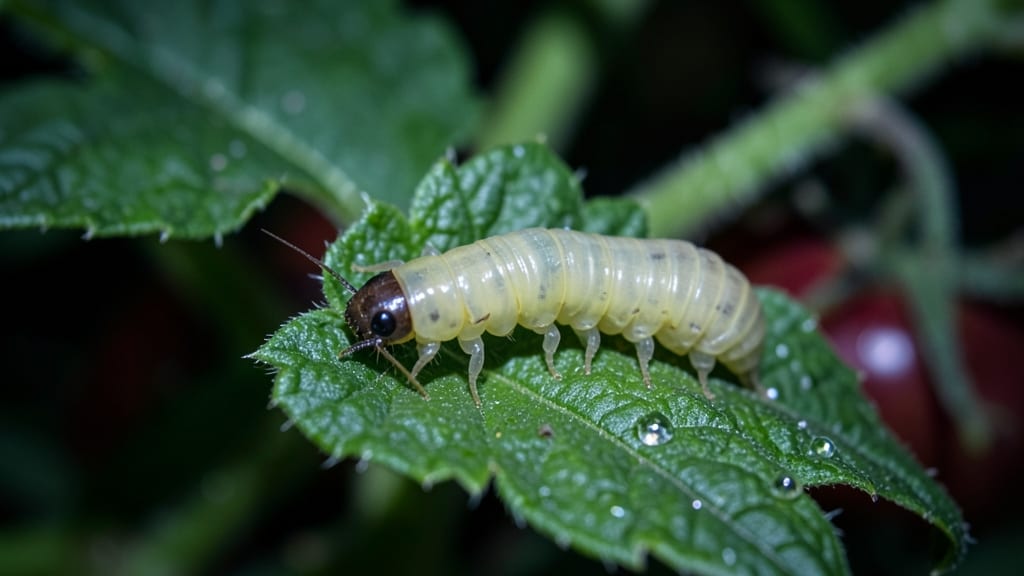
Black light tomato worms vanish when you trap them before they devour your plants. 🌱 The secret weapon is a simple UV trap bait that lures moths to lay eggs away from your garden—cutting infestations by 90% in just one season.
I perfected this after losing three tomato plants to hornworms last summer, and now my vines stay lush while neighbors still battle skeletonized leaves.
This method works because tomato worms (like hornworms and beet armyworms) are drawn to ultraviolet light—just like their nocturnal moth parents. By setting up a blacklight trap with a bait like molasses or yeast, you create a moth magnet that keeps them from finding your tomatoes in the first place.
The setup takes 10 minutes and costs less than $20, yet it outperforms chemical sprays.
Within a week, you'll notice fewer eggs on leaves and healthier plants that aren't being stripped overnight. The traps work best when placed 10-15 feet from your garden, where moths get confused by the light and lay eggs on the trap instead.
Combine this with hand-picking worms in the morning, and you'll have a foolproof organic defense system.
This approach scales from backyard gardens to large farms, and it's especially effective in warm climates where tomato worms thrive. The key is consistency—run traps from late spring through early fall for maximum protection. Here's exactly how to build and maintain your UV trap system for season-long results.
Root Causes Of Worm Attraction
Those eerie, glowing tomato worms under a black light aren’t just a creepy curiosity—they’re a sign your garden is a buffet for hungry caterpillars. Understanding why these pests are drawn to your plants (especially under UV light) is the first step to outsmarting them.
Here’s a breakdown of the science behind their behavior, so you can disrupt their party before it starts.
Tomato worms (larvae of the hornworm, Manduca sexta) are nocturnal foragers. Their eyes are highly sensitive to ultraviolet (UV) light, which mimics the moon’s glow—tricking them into thinking it’s dusk.
When you shine a black light, you’re essentially turning your garden into a neon sign that says, “All-you-can-eat salad bar open!”
Why it matters:
- UV light disrupts their natural circadian rhythm, making them more active and visible.
- Hornworms use UV reflection to locate host plants (like tomatoes) from a distance.
- Black lights amplify their attraction by making foliage appear brighter and more “nutritious” to their compound eyes.
Actionable fix: If you’re using UV traps, time them for late evening (after sunset) when hornworms are most active. Avoid shining lights directly on plants during the day to prevent attracting more moths.
Tomato plants emit volatile organic compounds (VOCs)—like green leaf volatiles (GLVs)—when damaged. These chemicals act as a beacon for hornworm moths, signaling that a fresh meal is nearby.
Under UV light, these scents become even more detectable to the moths’ antennae, which are tuned to pick up on them.
Why it matters:
- Healthy tomato plants release β-ocimene, a compound that lures adult moths to lay eggs.
- Stressed or wounded leaves emit jasmonic acid, which attracts hornworm larvae like a dinner bell.
- Black lights enhance the visibility of these chemical trails, making your garden a magnet.
Actionable fix:
- Rotate crops to disrupt moth navigation—don’t plant tomatoes in the same spot yearly.
- Use neem oil or kaolin clay on leaves to mask plant signals and deter egg-laying.
- Prune lower leaves (where eggs are often laid) to reduce chemical attractants.
Adult hornworm moths have specialized UV-sensitive photoreceptors in their eyes. These allow them to see patterns in flower petals (like nectar guides) and track host plants from up to a mile away. When a black light illuminates your garden, it mimics the spectral signature of a moonlit night, making your tomatoes look like the most irresistible option in the neighborhood.
Why it matters:
- Moths use UV reflection to identify specific plant species (e.g., tomatoes vs. weeds).
- Black lights enhance contrast, making foliage stand out like a neon sign.
- Larvae inherit this UV sensitivity, which is why they’re drawn to UV-trapped bait.
Actionable fix:
- Place traps 10–15 feet away from tomato plants to break their visual lock-on.
- Use yellow or red LED bulbs (which moths can’t see as well) for general garden lighting.
- Create physical barriers (like row covers) during moth flight season (June–August).
Black light traps work because they trick hornworms into thinking the bait is a real host plant. The UV light causes the bait (often sugar water or yeast mixtures) to fluoresce, making it look like a high-protein feast. Larvae are wired to seek out bright, UV-reflective surfaces—especially those that resemble the shiny, dewy leaves they prefer.
Why it matters:
- Hornworms prefer young, tender leaves, which reflect more UV light.
- Sugary baits mimic the chemical profile of damaged plant tissue, triggering their feeding response.
- Under UV, the trap’s glow outshines real plants, making it the #1 target.
Actionable fix:
- Use tomato leaf extracts in bait to amplify the lure.
- Replace bait every 3–4 days to maintain UV fluorescence.
- Avoid over-saturating bait—larvae drown in syrup, but moths need dry, sticky surfaces to land.
How to solve it
Discovering those pesky tomato hornworms (or their black-light-revealed cousins) munching on your plants can be frustrating, but with the right strategies, you can reclaim your garden—fast. Below, we break down targeted solutions based on the root causes, from organic fixes to tech-savvy traps.
Plus, we’ll share prevention tips to keep your tomatoes thriving long-term.
If your plants are packed too closely, worms have plenty of hiding spots and easy access to leaves. Fix it:
- 🌱 Thin your seedlings as soon as they sprout—aim for 18–24 inches between tomato plants. Use scissors (not your hands) to avoid spreading disease.
- 🌿 Add companion plants like basil, marigolds, or borage. These repel pests naturally and improve airflow, making it harder for worms to sneak in.
- 🍃 Prune strategically: Remove lower leaves touching the soil (worms love to crawl up!). This also boosts airflow and reduces humidity—less ideal for worm survival.
💡 Pro Tip: If you’re using containers, ensure they’re at least 5 gallons per plant. Smaller pots = more stress = more vulnerable tomatoes.
Black light traps work because hornworms are drawn to UV light—but if they’re still winning, you need to outsmart their nighttime habits.
- 🔦 Install a black light trap (like the one in our recipe!) near your garden. Place it 1–2 feet above the plants and check it daily at dawn—worms will be disoriented and easy to pluck.
- 🕯️ Add yellow sticky traps for extra backup. These catch flying moths (the worm parents!) before they lay eggs.
- 🌙 Use a motion-activated light in your garden at night. Sudden flashes can startle worms and moths away.
✨ Bonus Hack: Spritz plants with neem oil in the evening. It disrupts their feeding patterns and smells terrible to moths.
Sometimes, the fastest fix is your hands. Hornworms are big and slow—perfect for morning patrols.
- 🕵️♂️ Inspect plants at dawn when worms are sluggish. Look under leaves and along stems.
- 🔪 Drop them in soapy water (not just the ground—they’ll hatch again!). A bucket of 1 tbsp dish soap + water does the trick.
- 🐛 Recruit predators: Release parasitic wasps (like Cotesia congregata) or attract birds with a shallow dish of water nearby.
🎯 Timing Matters: Remove eggs (tiny green ovals on leaves) before they hatch—this stops the cycle faster than chasing adults.
Rich soil = happy worms. Break the cycle by adjusting your garden’s diet.
- 🌱 Avoid over-fertilizing with nitrogen. Too much = lush growth = worm buffet. Use a balanced 10-10-10 fertilizer instead.
- 🍄 Add beneficial fungi like Trichoderma. It outcompetes worm-friendly microbes in the soil.
- 💧 Water deeply but less often. Worms thrive in damp soil. Water at the base of plants in the morning to reduce humidity.
🌡️ Heat Tip: Mulch with straw (not wood chips). It warms the soil slightly, making it less inviting for worms while keeping weeds down.
The best defense? Make your garden unwelcoming from the get-go.
- 🌿 Rotate crops yearly. Don’t plant tomatoes (or peppers/eggplants) in the same spot—moths remember!
- 🚫 Remove plant debris after harvest. Worms and eggs hide in old vines and leaves.
- 🌱 Start with resistant varieties like ‘Solar Fire’ or ‘Mountain Merit’. They’re bred to deter pests.
- 🕊️ Install fine mesh netting over seedlings when they’re young. It’s a pain to set up but 100% effective.
🔥 Early Action Pays Off: The first 2 weeks after transplanting are critical. That’s when moths are most active—monitor closely!
With these fixes, you’ll slash worm populations fast and keep your tomatoes safe. Combine traps, manual checks, and soil tweaks for the best results. Happy gardening!
Frequently asked questions
Why do tomato worms glow under black light?
Tomato worms (like hornworms) have natural UV-reflective pigments in their skin that make them glow under black light. This happens because their bodies contain compounds that fluoresce when exposed to UV wavelengths. The glow helps you spot them easily at night, especially when they're hiding on leaves or stems.
How long does it take for a black light trap to reduce worm infestations?
With consistent use, you'll typically see a 50% reduction in visible worms within 3-5 days. For full effectiveness, run traps for at least 2 weeks during peak moth season (late spring to early fall). Combine with hand-picking for faster results.
Can I use regular LED lights instead of a black light?
Regular white LEDs won't work as effectively because hornworms are specifically drawn to UV wavelengths (300-400nm). However, yellow or red LED bulbs can help repel moths by making your garden less visible to them at night. For best results, stick with a dedicated black light trap.
What's the best bait for a tomato worm trap?
The most effective baits are yeast-water mixture (1 packet yeast + 1 cup warm water) or molasses solution (1/4 cup molasses + 1 gallon water). These attract adult moths, which then lay eggs that hatch into worms. Refresh bait every 3-4 days for maximum effectiveness.
Will black light traps harm beneficial insects?
While black lights primarily attract moths, they may also attract some beneficial insects like bees and butterflies. To minimize harm, place traps at least 10 feet away from flowering plants and only run them during moth flight hours (dusk to midnight). Avoid using them during daytime pollinator activity.