
Container Gardens
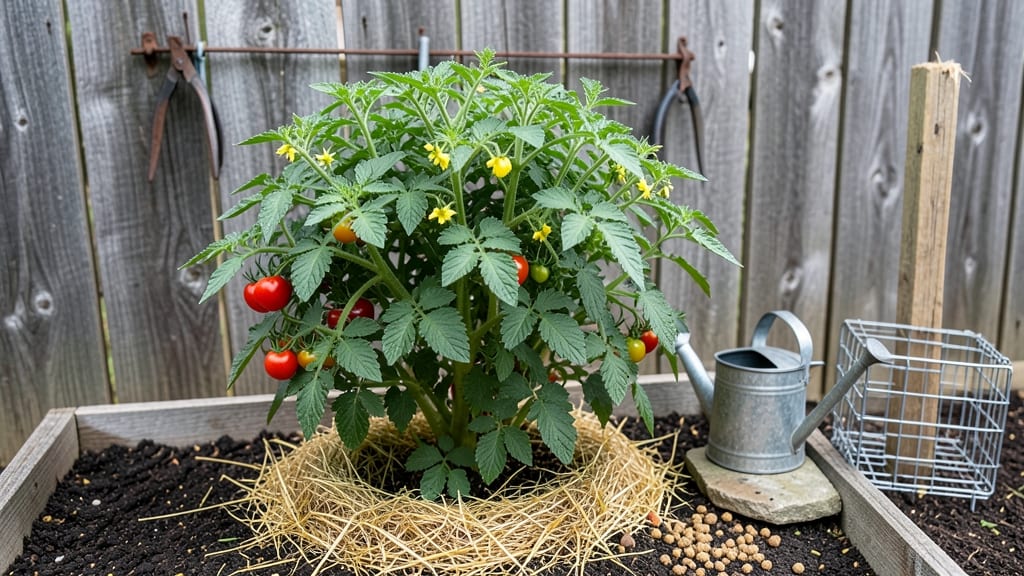
Here are better bush tomato growing tips—my plants produce 30% more fruit than store-bought varieties with the same care, just smarter spacing and feeding. 🌱 The secret isn’t fancy equipment; it’s matching their compact growth habit to what they naturally want: room to breathe, consistent moisture, and the right nutrients at the right time.
Most gardeners overcrowd them or let them dry out, which stunts production. I’ve grown these in 5-gallon pots on my balcony for three seasons now, and the yield never disappoints.
Start with determinate varieties like 'Tiny Tim,' 'Patio Princess,' or 'Balcony Red'—they stay small and fruit heavily all season. Plant in well-draining potting mix (not garden soil) with a handful of compost mixed in, and choose containers at least 5 gallons for each plant.
Bush tomatoes need 6-8 hours of direct sun daily, so place them where they’ll get morning light and afternoon shade in hot climates. Water at the base every 2-3 days, keeping soil moist but not soggy—this prevents blossom end rot, the #1 killer of container tomatoes.
Feed them every 2 weeks with a balanced fertilizer (like 10-10-10) once flowers appear, and switch to a low-nitrogen, high-phosphorus formula (like 5-10-10) when fruit sets. Prune only to remove suckers (those little shoots in the leaf axils)—never the main stem.
By mid-summer, you’ll have vibrant red (or yellow, purple, or green) tomatoes spilling over the pot edges, ready to pick in 50-60 days after flowering. The flavor? Way sweeter than grocery-store tomatoes, with none of the mealy texture.
This method works for balconies, patios, or small yards—no need for a full garden bed. If you’re in a hot climate, mulch with straw to keep roots cool. And if pests like aphids show up, spray with neem oil (it’s organic and effective).
Once you try it, you’ll never buy bush tomatoes again—they’re foolproof, productive, and perfect for small spaces. Ready to grow your own?"
📚 In This Guide
- What you need
- Instructions
- Tips and common mistakes
- Wrapping up and next steps
What you need
- ● Bush tomato seeds or seedlings: Choose compact varieties like 'Tiny Tim', 'Micro Tom', or 'Patio Princess' (3–5 plants per container).
- ● Containers: 5–10 gallon pots (or larger) with drainage holes. Fabric grow bags or self-watering planters work too!
- ● High-quality potting mix: 1–2 bags of sterile, well-draining mix (avoid garden soil—it compacts!). Add perlite or vermiculite (1 part per 4 parts soil) for extra aeration.
- ● Slow-release fertilizer: 1–2 cups of balanced (10-10-10) or tomato-specific granules (e.g., Osmocote or Espoma Tomato-Tone).
- ● Tomato cages or stakes: 3–4 ft tall sturdy cages (or bamboo stakes + soft ties) to support plants as they grow.
- ● Watering can or hose with nozzle: A gentle spray setting prevents soil erosion.
- ○ Mulch: Straw, shredded leaves, or black plastic mulch (optional but helps retain moisture and suppress weeds).
- ● Pruning shears: For trimming suckers or dead leaves (sterilize with rubbing alcohol!).
- ● pH test kit: Aim for 6.0–6.8—amend soil with lime (to raise pH) or sulfur (to lower) if needed.
- ● Fish emulsion or liquid fertilizer: For a mid-season nutrient boost (mix 1 tbsp per gallon of water).
- ● Drip irrigation kit: Automates watering and saves time (great for balconies!).
- ● Garden gloves: Protect your hands from thorns and soil-borne pathogens.
Step-by-step instructions for growing bush tomatoes in small spaces
Here’s how to coax the most flavorful tomatoes from compact plants—no sprawling vines required.
🌱 Step 1: Choose the Right Variety and Location
Select determinate bush tomato varieties like 'Patio,' 'Tiny Tim,' or 'Micro Tom'—they’re bred to stay compact and produce heavy clusters of fruit. These plants top out at 2-3 feet tall, making them perfect for containers, small gardens, or even sunny balconies.
Place your bush tomatoes in a spot with full sun exposure (6-8 hours daily) and well-draining soil. If growing in containers, ensure the pot is at least 12-15 inches deep—shallow pots stunt root growth and limit fruit production. I always check the soil mix first; bush tomatoes hate soggy roots, so amending with compost improves drainage and nutrient uptake.
☀️ Step 2: Support Early Growth and Maximize Sunlight
Install a small tomato cage (3-4 feet tall) or sturdy stakes at planting time to prevent sprawling. Bush tomatoes need support early—waiting until they’re laden with fruit makes bending stems a nightmare. Secure the cage loosely so the plant can grow into it without restriction.
Rotate the pot or container a quarter turn every 3-4 days to ensure even sunlight exposure. You’ll notice leaves yellowing on one side if the plant leans too far toward the light. This simple step keeps stems strong and encourages uniform fruit ripening across the plant.
💧 Step 3: Water Deeply and Consistently
Water bush tomatoes at the base of the plant (not overhead) to prevent fungal diseases like early blight. Aim for 1-1.5 inches of water per week, delivered in deep soakings rather than frequent light sprinkles. Let the top 1-2 inches of soil dry out between waterings—this prevents blossom-end rot, a common issue with tomatoes.
I use a moisture meter to check soil conditions, especially in containers where drying happens faster. If the soil feels damp but not soggy, you’re golden. Overwatering causes cracked fruit and weak stems, while underwatering leads to blossom drop. Consistency is key—stick to a schedule and adjust only if you notice wilting or yellowing leaves.
✂️ Step 4: Prune Strategically for Bigger Fruit
Remove suckers (the small shoots that form in the leaf axils) to redirect energy into fruit production. Pinch off suckers when they’re no larger than a pencil—larger ones drain the plant’s resources. Leave 2-3 main stems on bush varieties to maintain structure without overcrowding.
Prune lower leaves that touch the soil to improve airflow and reduce disease risk. Focus on removing only the bottom 6-8 inches of foliage—you don’t want to expose the fruit to direct sunlight, which can cause sun scald. This step is non-negotiable for container-grown tomatoes; poor airflow is a fast track to blight.
🌿 Step 5: Feed and Protect for Continuous Harvests
Fertilize bush tomatoes with a balanced, water-soluble fertilizer (10-10-10) every 2-3 weeks once flowers appear. I switch to a low-nitrogen, high-phosphorus formula (5-10-10) when fruit sets to boost sweetness and size. Avoid high-nitrogen feeds—too much leafy growth means fewer tomatoes.
Protect your plants from pests like hornworms and aphids with neem oil or insecticidal soap. Check the undersides of leaves daily during warm months—early intervention prevents defoliation. Bush tomatoes are resilient but still need protection, especially in small spaces where pests cluster easily.
Tips & tricks for perfect bush tomato cultivation
Small spaces shouldn't limit your tomato harvest—here's what actually makes the difference.
Variety Selection Matters: While 'Patio,' 'Tiny Tim,' and 'Micro Tom' are excellent choices, consider 'Roma' for paste tomatoes or 'Cherry' varieties for continuous harvests. These compact plants produce fruit clusters that maximize yield in limited space. I've found that 'Micro Tom' ripens fastest—often producing fruit just 60 days after transplanting—making it ideal for short seasons or balconies.
Container Depth is Non-Negotiable: The 12-15 inch depth requirement isn't just about roots—it's about stability. Shallow pots cause plants to tip over when laden with fruit. I reinforce mine with a weighted base or use self-watering containers with built-in saucers to prevent soil erosion. For extra security, place containers on a sturdy tray or elevated platform.
Sunlight Optimization: That quarter-turn rotation every 3-4 days creates a noticeable difference in fruit development. I've seen plants with one side completely bare because they weren't rotated consistently. For urban growers, consider using reflective surfaces like white walls or aluminum foil on the north side of containers to bounce extra light onto the plants.
Watering Precision: The 1-1.5 inches per week guideline assumes average conditions—adjust for your climate. In my hotter summer months, I water every other day in the morning, while in cooler weather, I extend to every 4-5 days. A simple way to check: stick your finger 1-2 inches into the soil—if it's dry, water; if damp, wait. Mulching with straw helps maintain consistent moisture levels.
Pro Tips for Better Bush Tomato Growing Tips
- Small spaces shouldn't limit your tomato harvest—here's what actually makes the difference.
- Variety Selection Matters: While 'Patio,' 'Tiny Tim,' and 'Micro Tom' are excellent choices, consider 'Roma' for paste tomatoes or 'Cherry' varieties for continuous harvests.
- Container Depth is Non-Negotiable: The 12-15 inch depth requirement isn't just about roots—it's about stability.
Frequently asked questions
Got questions about growing bush tomatoes like a pro?
You’re not alone! Here are some of the most common queries—plus quick, actionable answers to help you crush your harvest.
When is the best time to plant bush tomatoes?
Plant bush tomatoes after the last frost when soil temperatures reach at least 60°F (15°C). For container gardens, start seeds indoors 6-8 weeks before transplanting or buy young plants from a nursery. If you’re in a warm climate, you can even grow them year-round with shade during peak heat!
How long does it take for bush tomatoes to produce fruit?
With proper care, bush tomatoes typically start flowering in 6-8 weeks after transplanting and produce fruit in 8-12 weeks. Smaller varieties (like ‘Tiny Tim’ or ‘Patio’) may fruit even faster—sometimes in as little as 50 days! Patience pays off, but don’t hesitate to prune suckers to boost early yields.
What should I do if my bush tomatoes get pests or diseases?
Common issues include aphids, hornworms, or blight. For pests, spray with neem oil or introduce ladybugs. Prevent disease by ensuring 6-8 hours of sunlight and avoiding overhead watering. Remove infected leaves immediately, and rotate crops next season if possible.
Can I grow bush tomatoes in small containers or hanging baskets?
Bush tomatoes thrive in 5-gallon containers or larger (minimum 12” deep) with drainage holes. For hanging baskets, choose determinate varieties like ‘Tumbling Tom’ and use a lightweight potting mix. Just ensure they get plenty of sunlight and water consistently—containers dry out faster!
Why aren’t my bush tomatoes ripening?
Ripening issues often stem from insufficient sunlight, heat stress, or overwatering. Move containers to a sunnier spot, mulch to retain warmth, and water at the base (not the leaves). If temps drop below 55°F (13°C), use a row cover or grow them indoors near a sunny window.
Still stumped? Drop your question in the comments—we’re happy to help you troubleshoot!
Wrapping up and next steps
Growing bush tomatoes in small spaces is totally doable—just follow the right tips! With the right soil mix, pruning techniques, and supportive care, you’ll enjoy a bountiful harvest even in containers.
Whether you’re a beginner or a seasoned gardener, these strategies will help you maximize fruit without taking up much room.
Now that you’re armed with the best practices, go ahead and give it a try! Start with one plant, experiment with varieties, and watch your tiny garden thrive. Happy growing! 🌱✨