
Fertilization
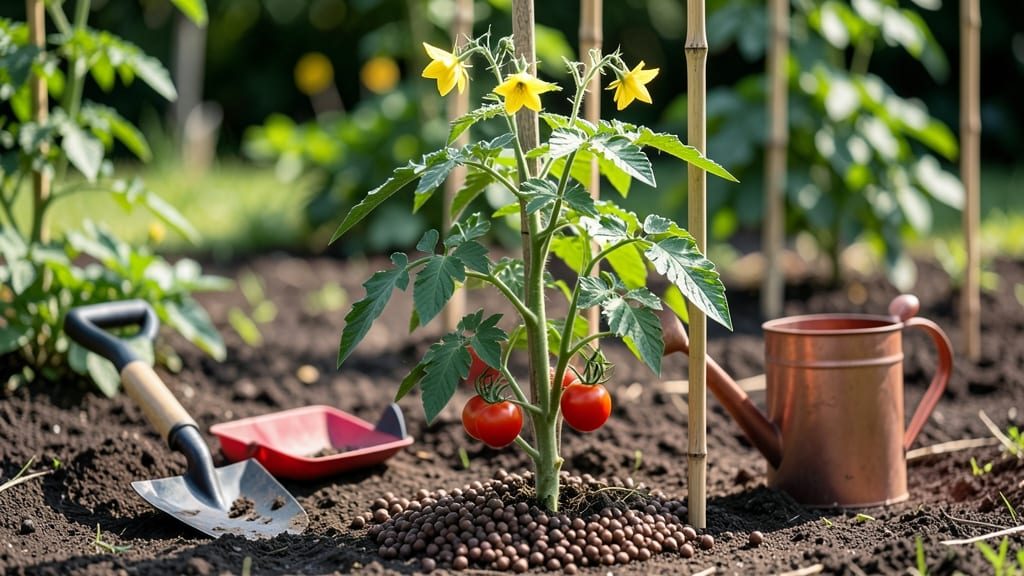
Fertilizing tomato plants at the right time maximizes your harvest and keeps your 🍅 vines thriving—here’s the exact schedule to follow for each growth stage.
Ever poured fertilizer on your tomato plants only to watch them struggle instead of flourish? The problem isn’t the fertilizer—it’s the timing. Too early, and you’ll stunt root growth; too late, and your fruit won’t develop properly.
I’ve seen both mistakes firsthand, and the difference in yield is night and day.
Tomatoes need different nutrients at different stages: nitrogen for leafy growth, phosphorus for flowering, and potassium for fruiting. Skipping this step means missing out on bigger, healthier tomatoes—and who doesn’t want that?
Below, I break down the best times to fertilize, what to use, and how to avoid common pitfalls.
Whether you’re a first-time gardener or a seasoned pro, this growth-stage guide will help you fertilize like a pro. You’ll learn when to start, how often to feed, and which fertilizers work best for your climate—so you can enjoy a bountiful harvest from June to October.
Optimal fertilization schedule by tomato plant growth stages
Timing your tomato plant fertilization is like conducting an orchestra—each stage needs the right nutrients to perform at its best. Too much nitrogen early can delay fruiting, while skipping phosphorus during flowering starves your plants when they need it most.
Let’s break down the perfect fertilization schedule for each growth phase, from seedling to harvest.
Tomatoes thrive when fed with a balanced NPK ratio (like 5-10-10) but adjust the timing and focus based on their life cycle. Nitrogen fuels leafy growth, phosphorus supports roots and flowers, and potassium strengthens fruit production.
Mastering these ratios at each stage ensures your plants grow strong, flower abundantly, and produce flavorful tomatoes.
🌱 Germination Stage (Weeks 1-2): This is the most delicate phase—your seedlings don’t need fertilizer yet. In fact, feeding them can burn tender roots. Instead, focus on warmth (70-80°F) and gentle moisture. Once your seedlings have 2-3 true leaves, they’re ready for their first light feeding.
🌿 Transplanting Stage (Weeks 3-4): After transplanting, give your tomatoes a light nitrogen boost (like 10-10-10) to encourage leaf growth and root establishment. Use half-strength fertilizer (mix with water) to avoid shocking the plants. This is also the time to side-dress with compost for slow-release nutrients.
🌸 Flowering Stage (Weeks 5-8): This is where phosphorus (P) takes center stage. Switch to a low-nitrogen, high-phosphorus fertilizer (like 3-12-6) to promote blooming. Feed every 2-3 weeks and pair it with calcium-rich amendments (like crushed eggshells) to prevent blossom-end rot.
🍅 Fruiting Stage (Weeks 8-12): Now shift to a potassium-heavy fertilizer (like 5-10-20) to boost fruit development. Reduce nitrogen to prevent excessive leaf growth at the expense of tomatoes. Feed every 3-4 weeks and monitor for signs of nutrient deficiencies, like yellowing leaves or weak stems.
During this stage, foliar feeding with a seaweed extract can give your tomatoes an extra energy boost. Always water thoroughly after fertilizing to prevent root burn.
If your plants look stressed or stunted, they might be craving a quick potassium fix—try a banana peel tea (rich in potassium) for a natural remedy.
🍂 Late Season (Weeks 12+) & Pre-Frost: As your tomatoes mature, taper off fertilization. Switch to a low-nitrogen, potassium-rich fertilizer (like 0-0-50) to help plants ripen existing fruit and prepare for dormancy. Stop fertilizing entirely 4-6 weeks before your first frost
Signs your tomato plants need fertilizer (and when to avoid it)
Your tomato plants are the heart of your garden, but even the healthiest-looking vines can send distress signals when they're hungry. Yellowing leaves, stunted growth, or small, pale fruit are classic signs your plants need nutrients—but timing matters just as much as what you feed them.
Over-fertilizing at the wrong stage can burn roots or delay fruiting, while skipping fertilizer entirely can leave you with puny harvests.
First, check your plants' leaves for nutrient deficiency clues. Lower leaves turning yellow while veins stay green often signal nitrogen deficiency, while purple stems or leaf undersides point to phosphorus shortages. Brown leaf edges or crispy foliage, however, may mean you've overdone it with fertilizer.
The key is reading these signals carefully before reaching for the fertilizer bag.
⚠️ callout-warning ⚠️
⚠️ Critical Fertilizing Mistake: Timing is Everything
Never fertilize tomato plants within 2 weeks before transplanting—this shocks young roots. Also, avoid heavy feeding after mid-summer (around August in most zones), as new growth won't mature before frost. For container-grown tomatoes, reduce fertilizer by 50% since they dry out faster.
🌱 Pro Tip: Test soil pH first—tomatoes thrive in 6.2-6.8 range.
One of the most common mistakes I see is fertilizing too early in the season. Young seedlings don't need much nitrogen—they're focused on establishing roots, not foliage. Wait until your plants have 4-6 true leaves and are 6 inches tall before applying your first balanced fertilizer (like 5-10-10).
This timing ensures energy goes to root development rather than leafy growth that won't translate to fruit.
Pay attention to your tomato plants' flowering stage, too. When buds appear, switch to a phosphorus-rich fertilizer (like 10-20-10) to encourage blooming. Yellowing between leaf veins here suggests nitrogen deficiency, while dropped flowers often mean calcium shortage (not fertilizer-related—try crushed eggshells instead).
The goal is matching fertilizer to the plant's current needs, not just throwing nutrients at it.
Late-season over-fertilizing is another silent harvest killer. New growth after August rarely matures before frost, leaving you with green, unripe tomatoes. If you notice dark green leaves with purple undersides in fall, your plants are signaling they're done growing.
At this point, focus on watering consistently and harvesting what's ready—no more fertilizer needed. The plant's energy should go to ripening existing fruit, not new shoots.
For container gardeners, the rules change slightly. Potted tomatoes deplete nutrients faster due to limited soil volume. Watch for roots circling the pot or leaves curling inward—both signs it's time to fertilize.
Use a water-soluble fertilizer every 2 weeks during peak growth, but flush the soil monthly to prevent salt buildup. Over-fertilizing containers can lead to root burn, so always follow package rates.