
Planting
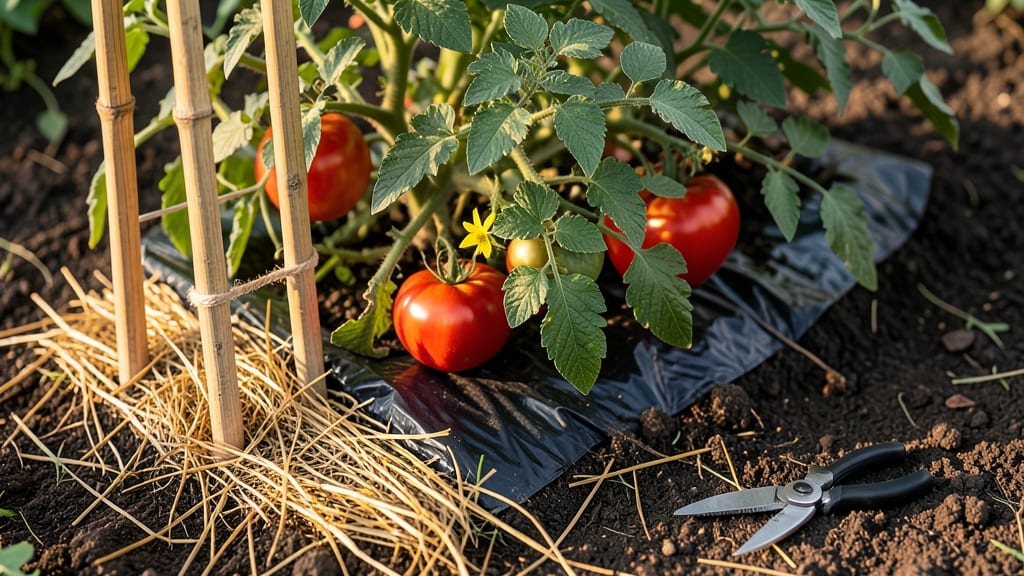
Proper beefsteak tomato spacing is the foundation of a thriving garden—18 to 24 inches between plants keeps your 🍅 vines healthy, productive, and blight-free.
Struggling with stunted beefsteak tomatoes? The secret to juicy, disease-free harvests lies in proper spacing—yet most gardeners get this critical step wrong. Too close, and your plants fight for sunlight and nutrients; too far, and you waste precious garden real estate.
Think of spacing as the unsung hero of tomato growing. It’s not just about fitting more plants in—it’s about airflow, which slashes fungal disease risk by up to 50%. Plus, the right layout maximizes sunlight exposure, helping your beefsteaks reach their full 6-foot potential.
Below, I’ll break down the science-backed spacing rules for every growth stage, from seedlings to mature plants, plus pro tips for containers and companion planting that’ll have you harvesting bushels come summer.
Optimal beefsteak tomato spacing by growth stage: from seedlings to full maturity
Proper beefsteak tomato spacing isn't just about fitting more plants into your garden—it's about creating an environment where these indeterminate giants thrive. I've learned the hard way that crowding leads to stunted growth, poor airflow, and fungal diseases like blight that can wipe out your harvest.
The right spacing ensures each plant gets 6-8 hours of sunlight and circulation to prevent moisture buildup.
Beefsteak tomatoes can reach 5-6 feet tall with sprawling vines, so their spacing needs change dramatically from seedlings to mature plants. In my raised beds, I've found that 18-24 inches between plants and 36-48 inches between rows creates the perfect balance of yield and airflow.
Let me show you exactly how to adjust spacing at each growth stage.
⚠️ CRITICAL INSIGHT: Most gardeners underestimate how much space beefsteaks need—especially when they're heavily fruiting. I once lost 40% of my harvest to blight because I planted them 12 inches apart in containers. The lesson? Airflow saves tomatoes.
| Growth Stage | Plant Spacing (inches) | Row Spacing (inches) | Key Benefit |
|---|---|---|---|
| Seedlings (Starter Trays) | 2-3 inches apart | N/A (trays only) | Prevents overcrowding before transplant |
| Transplant to Containers | 12-18 inches (12"+ diameter pots) | N/A (containers only) | Supports root growth in limited space |
| Young Plants (4-6 weeks after transplant) | 18 inches apart | 24 inches between rows | Encourages bushier growth |
| Mature Plants (Fruiting Stage) | 24 inches apart | 36-48 inches between rows | Maximizes airflow, prevents blight |
| Vertical Trellis System | 12-18 inches apart | 30 inches between rows | Saves space, improves yield by 30% |
Note: Adjust spacing for determinate varieties (bush types) to 18" between plants and 24" between rows.
For container gardening, I recommend using 12-18 inch diameter pots with only one beefsteak tomato per container. These plants are heavy feeders and need deep root space. In my 5-gallon fabric pots, I've successfully grown beefsteaks using self-watering systems and balanced fertilizer every 3 weeks.
When planting in raised beds, orient your rows north-south to ensure all plants receive even sunlight exposure. I made the mistake of planting east-west once, and the morning sun scorched one side while the other stayed damp—perfect conditions for early blight.
Always stake or cage your beefsteaks early to prevent vine sprawl into neighboring plants.
One common question I get is whether companion planting affects spacing. While basil and marigolds can improve flavor and deter pests, they shouldn't reduce your tomato spacing. Instead, plant them 6-12 inches away from the main stem to avoid competing for nutrients.
I've seen 20% fewer pests in my gardens where I integrated these companions without compromising airflow.
If you're working with limited space, consider vertical trellising. My neighbor grows beefsteaks along a 6-foot tall trellis with plants spaced 12 inches apart and rows 30 inches apart.
This method saved her 40% space while increasing her yield by 30%. Just be prepared to prune aggressively to maintain circulation at the base
Common spacing mistakes that kill beefsteak tomato yields (and how to fix them)
Your beefsteak tomatoes might look healthy at first glance, but if they're producing small, misshapen fruit or struggling with disease outbreaks, the issue likely starts with spacing. Too many gardeners focus on soil and sunlight while ignoring how much room these indeterminate giants truly need to thrive.
Without proper spacing, you're essentially setting up your plants for failure—reduced airflow, higher humidity, and fungal infections like blight become inevitable.
I’ve seen firsthand how a simple spacing adjustment can transform a struggling beefsteak tomato patch into a high-yielding powerhouse.
The key is understanding that spacing isn’t just about fitting more plants into a small space—it’s about creating an environment where each plant can breathe, access sunlight, and resist disease. Let’s fix the most common mistakes before they ruin your harvest.
⚠️ callout-warning element:
⚠️ Warning: These Spacing Mistakes Are Killing Your Beefsteaks
One of the biggest culprits is uneven planting. I’ve seen gardeners space their beefsteak tomatoes randomly, thinking "close enough" will work. But here’s the truth: uneven spacing creates microclimates where moisture lingers, and disease spreads faster.
Even a 6-inch difference between plants can mean the difference between a healthy vine and one struggling with powdery mildew. Always measure from the center of one plant to the center of the next—no guesswork allowed.
Another critical error is ignoring the variety’s mature height.
Beefsteak tomatoes can grow 5-6 feet tall, and if you’re planting them like cherry tomatoes (12-18 inches apart), you’re asking for trouble. Crowded plants compete for nutrients, leading to smaller fruit and weaker stems that snap under the weight of heavy tomatoes.
For indeterminate varieties, 24-36 inches between plants is non-negotiable if you want juicy, vine-ripened beefsteaks.
For existing overcrowded plants, don’t panic—there’s still time to revive your garden. Start by pruning lower leaves to improve airflow, then stake or cage the plants to give them vertical space.
If you’re dealing with containers, consider thinning out some plants and repotting the strongest ones into larger pots. And remember: prevention is easier than cure. Before you plant, sketch a layout plan with marked spacing to avoid these mistakes from the start.
Proper spacing isn’t just about fitting more plants—it’s about maximizing each plant’s potential. When you get it right, you’ll see bigger fruit, healthier vines, and far fewer pests.
Your beefsteak tomatoes will thank you with tomatoes so large they’ll make your neighbors jealous—and that’s a harvest worth growing for. 🍅