
Plants
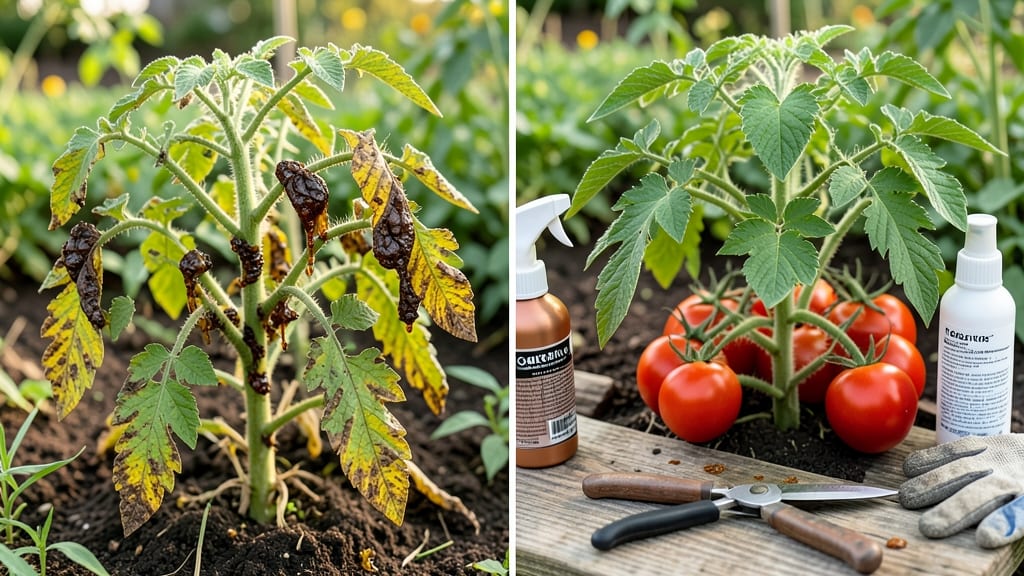
Copper spray can stop bacterial canker from turning your tomato plants into a sad, wilted mess in just 24 hours. 🌱 I’ve seen this disease wipe out entire gardens—until I learned the fast-acting copper trick that actually works.
The key is acting before the bacteria spreads to stems and leaves, where it becomes nearly impossible to control.
Look for sunken, oozing cankers on stems or leaves that smell foul when wet—those are the first signs. The bacteria thrives in warm, humid weather, so if you’re seeing wilting or yellowing leaves, copper spray is your best defense.
It’s not just about stopping the spread; it’s about saving your plants before they collapse completely.
This method works because copper disrupts the bacteria’s cell walls, and when applied early, it can halt the infection within a day.
You’ll need to spray every 7-10 days during wet conditions to keep it at bay, but the results are worth the effort—healthy, productive plants instead of a lost harvest.
Even if your plants are already infected, copper spray buys you time to prune out the worst damage and prevent further spread. The goal isn’t just to treat the symptoms—it’s to break the cycle so your garden stays strong and productive all season long.
The Hidden Triggers Behind Plant Wilt
Bacterial canker on tomato plants isn’t just a random attack—it thrives when specific conditions align, turning your thriving garden into a battleground. Understanding these root causes (and sometimes leaf-level triggers) is the first step to stopping the spread.
Let’s break down why this stubborn pathogen strikes, so you can outsmart it before it ruins your harvest.
The bacterium Clavibacter michiganensis (the villain behind canker) is a warm-weather opportunist. When temperatures hover between 75–95°F (24–35°C) and humidity stays high—especially after rain or overhead watering—the bacteria feast on your tomatoes. Here’s why:
- Moisture = Movement: Rain splashes or wet foliage create tiny droplets that act like bacterial taxis, carrying the pathogen from infected leaves or tools to fresh wounds.
- Stomata Open Wide: High humidity keeps leaf pores (stomata) open longer, giving bacteria a direct entry ticket into plant tissues.
- Slow Drying = Survival: If leaves stay damp overnight, bacteria linger instead of drying out—like a campfire that won’t fizzle.
Actionable Fix: Avoid watering after 10 AM (let foliage dry by evening) and use drip irrigation to keep leaves dry. If a heatwave hits, prune lower leaves to improve airflow.
Tomato plants are tough, but they’re not bulletproof. Any physical damage—whether from pruning, hail, or even insect bites—creates an open door for Clavibacter. Here’s how wounds become trouble:
| Wound Type | How Bacteria Exploits It | Prevention Tip |
|---|---|---|
| Pruning cuts | Damp tools or rough cuts leave raw edges where bacteria colonize. | Sterilize pruners with 70% isopropyl alcohol between cuts. |
| Hail or wind damage | Torn leaves expose vascular tissue, the plant’s "highway" for bacterial spread. | Remove damaged leaves immediately and dispose of them far from the garden. |
| Insect feeding (e.g., hornworms) | Chewed leaves create entry points and leave behind oral secretions that may carry bacteria. | Handpick pests daily during outbreaks. |
Pro Tip: If you must prune during humid weather, wait until late afternoon so cuts have time to dry before nightfall. 🌅
Bacterial canker is not airborne—it hitches rides on human error. Here’s how your tools and soil become unwitting accomplices:
- Dirty Pruners: A single cut with a contaminated blade can inject bacteria into healthy plants. The pathogen can survive on metal for weeks.
- Infected Plant Debris: Leaving old tomato stems or leaves in the soil feeds the bacteria, which can overwinter and reinfect next season.
- Reused Mulch/Compost: If you composted infected plants, the heat may kill the bacteria—but spores or fragments can survive and reinfest.
Action Plan:
- Sterilize tools with bleach (1 part bleach to 9 parts water) or rubbing alcohol before and after use.
- Remove all infected plant material and do not compost it. Burn or trash it off-site.
- Rotate crops: Don’t plant tomatoes (or related plants like peppers/eggplants) in the same spot for 3–4 years.
Healthy tomatoes resist bacterial canker better than stressed ones. When plants are nutrient-deprived, overcrowded, or diseased, their defenses drop—like a fortress with a broken gate. Common stress factors:
- Nitrogen Deficiency: Yellowing leaves (chlorosis) signal weak growth, making plants easier targets for pathogens.
- Overcrowding: Poor airflow traps moisture and blocks sunlight, creating the perfect bacterial breeding ground.
- Previous Diseases: If your plants had early blight, fusarium wilt, or septoria leaf spot, they’re more susceptible to secondary infections like canker.
Boost Defenses:
- Test soil pH (aim for 6.0–6.8) and amend with compost or balanced fertilizer (e.g., 10-10-10).
- Space plants 18–24 inches apart for airflow.
- Rotate crops and avoid planting tomatoes in the same bed as last year’s infected plants.
Sometimes, the problem begins before you even plant. Bacterial canker can lurk in:
- Contaminated Seeds: Some seed lots are pre-infected with Clavibacter, especially if stored in damp conditions.
- Infected Transplants: Nursery-grown seedlings may show no symptoms but carry the bacteria internally, exploding into full-blown canker later.
Smart Shopping Tips:
- Buy seeds from reputable suppliers (look for organic-certified or disease-resistant varieties like ‘Mountain Merit’ or ‘Defiant PhR’).
- Inspect transplants for wilting, oozing stems, or dark streaks—red flags of canker.
- Soak seeds in 1% hydrogen peroxide solution for 10 minutes before planting to reduce bacterial loads.
Quick Fixes for Tomato Plant Diseases
Bacterial canker can feel like a death sentence for your tomato plants, but the good news? You can act fast to stop its spread and save your harvest. Below, we’ve mapped out practical solutions based on the root causes—whether it’s wet weather, contaminated tools, or infected seedlings.
Follow these steps to turn the tide and keep your garden thriving.
If you spot oozing cankers, wilting leaves, or dark streaks in stems, act fast—this disease spreads like wildfire. Here’s how:
- 🔪 Snip it out: Use sterilized pruners (clean with 70% alcohol or a 10% bleach solution) to cut off only the infected parts—but if the plant is heavily diseased, remove the whole plant.
- 🗑️ Bag and bin it: Place infected plant material in a sealed plastic bag and toss it in the trash not the compost. Bacterial canker can survive in compost piles for months!
- 🌱 Quarantine healthy plants: Keep remaining plants at least 3 feet away from where the infected one stood to prevent splashing spores.
Copper-based fungicides are the gold standard for bacterial canker because they disrupt the bacteria’s cell structure. Here’s how to use them effectively:
- 💧 Choose the right spray: Look for copper hydroxide or copper sulfate (e.g., Bordeaux mixture, copper fungicide sprays). Follow label instructions for dilution.
- 👨🍳 Apply at the right time:
- Spray early morning or late evening to avoid burning leaves in direct sunlight.
- Focus on undersides of leaves, stems, and fruit stems—this is where bacteria hide.
- Reapply every 7–10 days or after heavy rain (copper washes off).
- 🌡️ Temperature matters: Avoid spraying if temps are above 85°F (29°C)—it can stress plants and reduce effectiveness.
An ounce of prevention is worth a pound of cure. These habits will lock out bacterial canker for good:
💡 Sanitize Everything
Bacteria hitchhike on tools, hands, and even water. Break the chain:
- 🧼 Sterilize tools: Wipe pruners, trellises, and stakes with 10% bleach solution or rubbing alcohol between uses.
- 🚿 Clean hands: Wash your hands with soap before and after handling plants.
- 💦 Use clean water: Avoid reusing water from containers that held infected plants.
🌧️ Improve Drainage and Airflow
Bacterial canker thrives in wet, crowded conditions. Fix your garden’s setup:
- 🌱 Space plants: Give tomatoes 18–24 inches of space between plants for airflow.
- 💧 Water wisely:
- Water at the base (not overhead) to keep leaves dry.
- Water early in the day so foliage has time to dry.
- Avoid mulching too close to stems—keep it 2–3 inches away.
- 🌿 Prune for airflow: Remove lower leaves that brush the soil to prevent splashing bacteria upward.
✨ Start with Healthy Seedlings
Infected seedlings = a ticking time bomb. Buy from reputable nurseries or:
- 🌱 Grow from seed: Use sterilized seed-starting mix and keep trays in a clean, dry environment.
- 🔍 Inspect before planting: Check seedlings for dark streaks or oozing before transplanting.
- 🏡 Harden off properly: Acclimate seedlings to outdoor conditions gradually to avoid stress (stressed plants are more susceptible).
If the disease keeps coming back, try these advanced tactics:
- 🌡️ Soil solarization: In hot climates, cover soil with clear plastic for 4–6 weeks to kill bacteria naturally.
- 🍄 Beneficial microbes: Apply compost tea or mycorrhizal fungi to boost plant immunity.
- 🛡️ Crop rotation: Wait 3 years before planting tomatoes or related plants (peppers, eggplants) in the same spot.
- 📅 Plant resistant varieties: Try ‘Mountain Merit’ or ‘Defiant PhR’—they’re bred to resist bacterial diseases.
With these steps, you’ll crush bacterial canker and protect your tomato plants for seasons to come. Stay vigilant, act fast, and your garden will thank you with juicy, disease-free tomatoes! 🍅✨
Frequently asked questions
How do I tell if my tomato plant has bacterial canker and not just wilting from heat?
Look for sunken, oozing cankers on stems or leaves that smell foul when wet—these are classic signs. Unlike heat stress, bacterial canker causes dark streaks inside stems when cut open, and infected leaves often wilt unevenly. Heat-wilted plants usually recover at night, while canker-wilted ones stay limp.
Can I save a tomato plant already showing bacterial canker symptoms?
Only if you catch it very early. Remove all infected leaves/stems immediately with sterilized tools, then apply copper spray. For advanced cases, remove the entire plant to prevent spread—bacterial canker is not curable once deeply established. Focus on protecting healthy plants nearby.
How often should I spray copper fungicide for prevention?
Apply copper spray every 7-10 days during wet seasons or after heavy rain. For prevention, 3 applications at planting, flowering, and fruiting stages work well. Always spray early morning or evening to avoid leaf burn, and avoid spraying if temps exceed 85°F (29°C).
Will composting infected tomato plants spread bacterial canker?
Yes! Bacterial canker can survive in compost for months. Always bag and trash infected plant material in sealed plastic. If you must compost, use high-heat composting (>140°F) for at least 3 weeks to kill bacteria—but even then, avoid using it on tomatoes for 3 years.
Are there any organic alternatives to copper spray for bacterial canker?
While nothing matches copper's effectiveness, you can try baking soda spray (1 tsp baking soda + 1 tbsp oil + 1 tsp soap per gallon) as a supportive treatment. For better results, combine with neem oil (which disrupts bacterial cell walls) and silica-rich compost to strengthen plant defenses.