
Planting
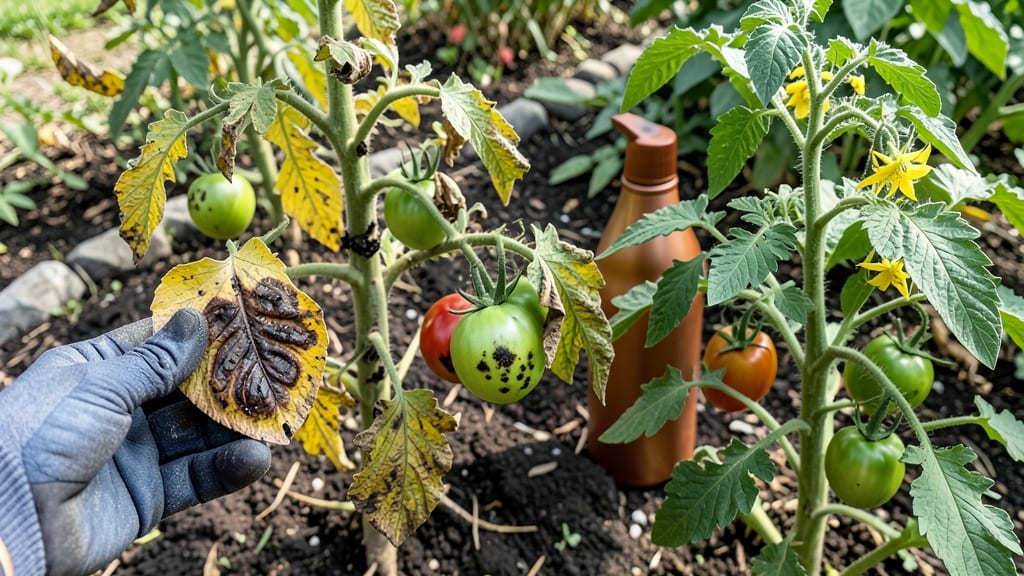
Anthracnose on tomato plants turns lush foliage into a crumbling mess overnight. 🌱 I’ve seen it wipe out entire harvests in just two weeks, but copper spray is the secret weapon that saved my garden—and it’s easier than you think.
The disease thrives in hot, humid conditions, clinging to wet leaves and spreading like wildfire. You’ll spot it as dark, sunken spots on fruit or leaves that curl and drop. Copper spray disrupts the fungus’s life cycle, but timing matters—apply it when leaves are dry and conditions are right.
With consistent prevention, you’ll protect your plants from 90% of infections before they start. The key is early action: spray every 7-10 days during peak humidity, and clean up debris religiously. Works for organic gardens too—just swap chemical copper for the organic version.
Let’s stop this fungus in its tracks before it ruins your tomatoes.
Root Causes Of Tomato Fungus Spread
Anthracnose in tomato plants isn’t just a random bad luck scenario—it’s the result of a perfect storm of environmental and biological factors. Understanding these triggers is the first step to stopping the fungus in its tracks. Let’s break down the key culprits behind this destructive disease.
The fungus Colletotrichum coccodes thrives when moisture lingers on leaves, stems, and fruit. Here’s why humidity is its best friend:
- Prolonged leaf wetness: Even light rain or morning dew can create the ideal breeding ground. The fungus germinates within 4–6 hours of wet conditions, forming spores that spread like wildfire.
- Poor air circulation: Dense tomato foliage traps moisture, especially in greenhouses or crowded garden beds. Stagnant, humid air accelerates spore production.
- Overhead irrigation: Watering from above (instead of drip systems) splashes spores onto healthy plants, turning them into new infection sites.
Actionable fix: Space plants 18–24 inches apart, prune for airflow, and water at the base early in the day so foliage dries by night.
Anthracnose loves warmth but hates extremes. The sweet spot for spore germination and growth is:
- 60–85°F (15–30°C): Ideal for fungal activity. Cooler nights (<60°F) slow it down, but heatwaves can revive it.
- Nighttime temps above 70°F (21°C): Prolongs leaf wetness, giving spores more time to infect.
Actionable fix: Use mulch to moderate soil temps, avoid planting in low-lying areas where cold air pools, and choose heat-tolerant tomato varieties like ‘Heatmaster’ or ‘Solar Fire’.
Anthracnose doesn’t just invade—it waits for an open door. Any wound or stress point becomes a gateway:
- Harvest wounds: Bruised or cut tomatoes (even from picking) expose flesh to spores. The fungus enters through these breaks, causing concentric rings on fruit.
- Hail or wind damage: Torn leaves or stems create entry points for spores to colonize.
- Over-fertilization with nitrogen: Soft, fast-growing tissue is easier for the fungus to penetrate.
Actionable fix:
- Harvest tomatoes gently—use two hands or a knife to twist stems cleanly.
- Apply a copper fungicide (like Bordeaux mixture) to wounds immediately after pruning.
- Balance fertilizer with potassium (e.g., 5-10-10 NPK) to toughen plant tissue.
Anthracnose spores can survive in soil for years, lying dormant until conditions align. Here’s how they sneak into your garden:
- Infested plant debris: Old tomato stems, leaves, or fruit left in the soil release spores when tilled or rained on.
- Reused containers or tools: Pruners, trellises, or pots contaminated from previous seasons spread spores to new plants.
- Compost with infected material: Even "finished" compost can harbor viable spores if it contained anthracnose-infected plants.
Actionable fix:
- Remove all infected plant material and do not compost it. Burn or trash it in sealed bags.
- Solarize soil in spring (cover with clear plastic for 4–6 weeks) to kill spores.
- Disinfect tools with 10% bleach solution or 70% rubbing alcohol between uses.
Stressed tomatoes are fungus magnets. Common stressors that lower defenses include:
- Nutrient deficiencies: Lack of magnesium (leaf yellowing) or calcium (blossom-end rot) weakens cell walls.
- Drought or overwatering: Both disrupt root function, making plants more susceptible.
- Competition from weeds: Tomato plants fighting for resources become prime targets.
Actionable fix:
- Test soil pH (aim for 6.0–6.8) and amend with lime or sulfur as needed.
- Use drip irrigation on a timer to maintain consistent moisture.
- Mulch with straw or grass clippings to retain soil moisture and suppress weeds.
Fixing Fungal Damage Fast
If your tomato plants are showing signs of anthracnose, don’t panic—there are practical steps you can take to stop the spread and nurse your plants back to health. The key is acting quickly and combining remedial treatments with preventive strategies to protect your harvest.
Below, we break down the most effective fixes based on the root causes, from improving airflow to using natural fungicides. Let’s get your tomatoes thriving again!
Anthracnose thrives on decaying organic matter, so the first step is containment. If you spot dark, sunken lesions on leaves, stems, or fruit, act fast:
- 🔪 Prune infected areas with clean, sterilized scissors or pruners (wipe with rubbing alcohol between cuts). Remove entire leaves or fruit if more than 50% is damaged—don’t leave them on the plant or in the garden.
- 🗑️ Dispose of debris properly: Toss infected plant material in the trash (not the compost bin), as composting can spread spores.
- 🌱 Space out healthy plants to improve airflow—crowded tomatoes trap moisture, which fuels fungal growth.
Pro Tip: 💡 If you’re unsure whether a leaf is salvageable, err on the side of caution and remove it. A few sacrifices now can save your whole crop!
Copper is the gold standard for treating anthracnose because it disrupts the fungus’s cell walls. Use these methods for the best results:
- 💧 Spray preventatively: Mix a copper fungicide (like copper sulfate or copper hydroxide) with water and apply it to both the tops and undersides of leaves. Follow label instructions—typically every 7–14 days or after heavy rain.
- 🌧️ Reapply after rain: Copper washes off, so treat plants again within 24 hours of rainfall to maintain protection.
- 🌿 Add a sticker: Mix in a horticultural oil or soapy water (1 tsp mild dish soap per gallon) to help the copper adhere better.
Pro Tip: ✨ For organic gardens, try a baking soda spray (1 tbsp baking soda + 1 tsp oil + 1 quart water) as a mild preventive—though copper is more effective for active infections.
A weak tomato plant is an open invitation to anthracnose. Strengthen your plants’ natural defenses with these cultural fixes:
- 💧 Water at the base, not overhead: Wet leaves for long periods create the perfect breeding ground for spores. Use drip irrigation or soaker hoses, and water early in the day so foliage dries quickly.
- 🌱 Improve soil drainage: Anthracnose loves soggy conditions. Amend heavy clay soil with compost or sand to prevent waterlogging.
- 🍽️ Fertilize wisely: Too much nitrogen promotes lush, weak growth. Switch to a balanced fertilizer (10-10-10 or 5-10-10) and add phosphorus and potassium to bolster immunity.
- ☀️ Ensure full sun: Tomatoes need 6–8 hours of sunlight daily. Shady spots slow drying and encourage fungal growth.
Pro Tip: 🌡️ If your garden stays humid (like in summer or tropical climates), consider mulching with straw to keep soil moist without wetting leaves.
Preventing anthracnose long-term means breaking the fungus’s cycle. Here’s how:
- 🌾 Rotate plant families: Avoid growing tomatoes (or other nightshades like peppers/eggplants) in the same spot for 3–4 years to starve out fungal spores in the soil.
- 🧼 Clean your tools: Sterilize pruners, trellises, and containers with a 10% bleach solution (1 part bleach to 9 parts water) or rubbing alcohol between uses.
- 🏡 Disinfect greenhouse equipment: If you’re growing tomatoes in a greenhouse, wipe down benches and frames with hydrogen peroxide (3%) or copper spray.
Pro Tip: 🎯 Plant resistant varieties next season! Look for tomatoes labeled “anthracnose-resistant” (e.g., ‘Mountain Merit,’ ‘Defiant PhR,’ or ‘Bush Early Girl’).
Catch anthracnose before it spreads with these ongoing habits:
- 👀 Inspect plants weekly: Check the undersides of leaves and between fruit clusters—these are hotspots for early signs.
- 📅 Remove fallen leaves/fruit: Even small drops of infected plant material can harbor spores. Rake up debris regularly.
- 📊 Keep a garden journal: Note when you see issues, treatments applied, and weather conditions to spot patterns.
With these steps, you’ll minimize damage, protect your harvest, and keep your tomato plants fighting fit for next season. 🍅💪
Frequently asked questions about anthracnose in tomato plants
What are the first signs of anthracnose on tomato plants?
Look for dark, sunken spots that appear on leaves, stems, or fruit—especially near the edges. Early symptoms include yellowing leaves that curl upward, followed by brown or black lesions with concentric rings. Check the undersides of leaves first, as spores often start there.
Can I still eat tomatoes with anthracnose?
Only if the damage is minimal! Remove any fruit with large lesions or rot—these are unsafe to eat. Small, superficial spots can be cut off, but avoid consuming fruit with deep cracks or moldy areas. Always wash tomatoes thoroughly before eating.
How often should I apply copper spray for prevention?
Apply copper fungicide every 7–10 days during peak growing season (spring to early fall), especially after rain. For organic gardens, use copper hydroxide (like Copper Soap)—it’s safer for beneficial insects. Always spray in the early morning so leaves dry quickly.
Will removing infected leaves stop anthracnose from spreading?
Yes, but it’s only 50% of the battle. Remove all infected foliage immediately and dispose of it in the trash (not compost). Combine this with copper spray and improving airflow—otherwise, spores on remaining leaves will keep reinfecting your plants.
Are there tomato varieties that resist anthracnose?
Look for anthracnose-resistant hybrids like ‘Mountain Merit’, ‘Defiant PhR’, or ‘Bush Early Girl’. These varieties won’t eliminate the risk, but they’ll reduce severity. For organic gardens, pair resistant varieties with preventive copper sprays for best results.