
Companion Plants
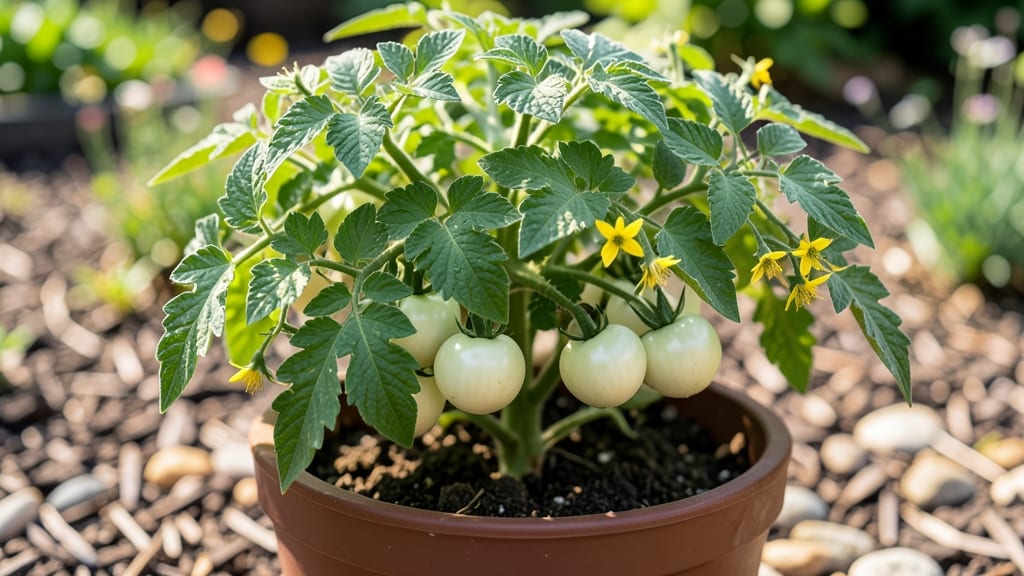
White cherry tomato plants produce snow-white fruits that taste sweeter than red varieties—and they’re easier to grow than you think. 🌱 I’ve grown them for five summers now, and the vines practically beg for more space as they sprawl with tiny, jewel-like fruit.
The secret lies in mimicking their Mediterranean roots: warm soil, plenty of sunlight, and a trellis to keep them upright. Start with well-draining soil mixed with compost—these plants hate soggy roots.
Plant after your last frost when soil reaches 60°F, and space them 18-24 inches apart with a sturdy trellis nearby. They’ll need 6-8 hours of direct sun daily, so choose a spot where they won’t get shaded out by taller plants later in the season.
By midsummer, you’ll be harvesting pint-sized tomatoes every 3-4 days, and the vines will keep producing until frost. The key is consistent watering—deep but infrequent—and a light hand with fertilizer after flowering begins. Over-fertilizing leads to leafy growth at the expense of fruit.
Prune suckers (those little shoots between stems and leaves) weekly to focus energy on fruit production. If birds spot your harvest first, try netting or harvesting early in the morning when fruit is still firm.
With these tips, you’ll go from curious beginner to white cherry tomato pro in one season.
📚 In This Guide
- What you need
- Instructions
- Tips and common mistakes
- Wrapping up and next steps
What you need
- ● White cherry tomato seeds or seedlings: Choose disease-resistant varieties like 'White Cherry' or 'Snow White' (3-5 plants per person for optimal yield).
- ● Containers or garden bed: Containers: 5-gallon pots or larger (1 plant per container, with drainage holes).
- ● Garden bed: Well-draining soil, 6-8 inches deep, in full sun (6+ hours/day).
- ● High-quality potting mix: 10-20 lbs (for containers) or amend garden soil with compost (1-2 inches per square foot).
- ● Fertilizer: Balanced organic fertilizer (10-10-10) or tomato-specific feed (follow package rates).
- ● Support structures: Cages (5-6 ft tall) or stakes (6+ ft) for vines (1 per plant).
- ● Mulch: Straw or shredded leaves (2-3 inches) to retain moisture and suppress weeds.
- ● Watering can or hose with adjustable nozzle: For gentle, deep watering (1-2 gallons per plant, 2-3x/week).
- ● Pruning shears (for shaping vines).
- ● pH test kit (ideal soil pH: 6.0-6.8).
- ● Drip irrigation system (for consistent moisture).
- ● Row covers (to protect from early frost or pests).
- ● Garden gloves (for handling plants comfortably).
- ● Last frost date in your area (plant after soil warms to 60°F+).
- ● Time commitment: 10-15 minutes daily for watering/pruning (peaks during fruiting).
- ● Patience: Germination takes 7-14 days; full harvest in 60-70 days from transplant.
Step-by-Step instructions for growing white cherry tomato plants
White cherry tomatoes are a rewarding treat for any gardener—sweet, juicy, and packed with flavor. Here's how to grow them like a pro.
🌱 Step 1: Start Seeds Indoors 6-8 Weeks Before Last Frost
Fill 2-3 inch deep seed-starting trays with sterile seed-starting mix. Press the mix down lightly to remove air pockets, then moisten it until evenly damp. I like to use a spray bottle to avoid compacting the soil too much—just until it holds together when squeezed but doesn’t drip.
Plant 2-3 seeds per cell at a depth of about ¼ inch, covering them lightly with additional mix. Mist the surface again to settle the seeds. Place the tray in a warm spot—75-85°F is ideal—and cover it with a clear plastic dome or plastic wrap to retain moisture. You’ll see sprouts in 7-14 days, depending on your room’s warmth.
☀️ Step 2: Provide Bright Light and Thin Seedlings
Once the first true leaves appear (not the initial seed leaves), remove the plastic dome immediately to prevent damping-off. Move the seedlings under a grow light or to a south-facing window where they’ll get 14-16 hours of light daily. If you notice leggy growth—thin, pale stems reaching toward the light—your seedlings need more intensity. Adjust the light so it’s 2-4 inches above the plants.
When seedlings have 2-3 sets of true leaves, thin them so only the strongest plant remains per cell. Use clean scissors to snip the weaker ones at the soil line—don’t pull them out, or you risk disturbing the roots of the ones you’re keeping.
🪴 Step 3: Transplant Outdoors After Last Frost
Wait until nighttime temperatures stay above 55°F before transplanting. Choose a sunny spot with 6-8 hours of direct sun daily—white cherry tomatoes love heat but need protection from strong afternoon sun in hot climates. Harden off the seedlings by placing them outside in a sheltered spot for 1-2 hours the first day, gradually increasing their time outdoors over 7-10 days.
Plant seedlings 18-24 inches apart in well-draining soil. Bury them slightly deeper than their original containers—up to the first set of true leaves—to encourage stronger root growth. Water deeply at the base after transplanting, and avoid wetting the foliage to prevent disease.
💧 Step 4: Support Vines and Maintain Consistent Care
As the plants grow, install cages or stakes to support the vines. White cherry tomatoes can get heavy with fruit, so choose sturdy supports. Prune suckers (the small shoots that form in the leaf axils) regularly to direct energy toward fruit production. I like to pinch them off when they’re about 2 inches long—this keeps the plant focused on growing tomatoes instead of extra foliage.
Water deeply 1-2 times per week, ensuring the soil stays consistently moist but not soggy. Mulch around the base with 2-3 inches of organic mulch to retain moisture and suppress weeds. Fertilize every 2-3 weeks with a balanced tomato fertilizer to encourage heavy yields.
✂️ Step 5: Harvest and Prune for Continuous Production
White cherry tomatoes ripen quickly—you’ll know they’re ready when they turn a creamy white color and feel slightly soft to the touch. Harvest them frequently to encourage more fruit to set. I pick mine every 2-3 days in peak season, and the plants keep producing for weeks.
As the season progresses, prune older leaves that touch the soil to improve airflow and reduce disease risk. This keeps the plant healthy and maximizes sunlight exposure for the remaining fruit. With proper care, your white cherry tomato plants will reward you with a bountiful harvest all season long.
Tips & tricks for growing thriving white cherry tomato plants
Here's what nobody tells you about growing these delicate vines—tricks that'll turn your garden into a white cherry tomato paradise.
Seedling Success: In Step 1, when planting those 2-3 seeds per cell, I use a toothpick to create tiny holes in the seed-starting mix—this gives roots a clear path to grow without disturbing the soil. The ¼-inch depth is perfect, but if your mix feels too dense, add a pinch of perlite to improve drainage. Those 75-85°F temperatures are critical: if your home runs cooler, place the tray on top of your fridge (not inside) for gentle warmth.
Lighting Strategy: For Step 2, I've learned the hard way that cheap grow lights won't cut it—look for full-spectrum LED lights rated for seedlings. Position them just 2-4 inches above the plants, but raise them as seedlings grow to maintain that distance. The 14-16 hours of light requirement is non-negotiable: if your natural daylight is shorter, supplement with artificial light. I set a timer to remind me to turn lights on/off automatically.
Transplanting Pro Tip: When hardening off in Step 3, I start with just 1-2 hours on the first day, but I place the seedlings in a spot where they'll get dappled shade—not full sun. This gradual transition prevents shock. The 55°F nighttime minimum is your safety net: if temps dip below this, cover seedlings with frost cloth until morning. Burying deeper than the original container encourages strong root systems that'll support those heavy vines later.
Harvesting Hack: In Step 5, I've found that harvesting every 2-3 days isn't just about flavor—it's about plant health. The act of picking triggers the plant to produce more flowers. Use small pruning shears to snip stems cleanly, and always harvest in the morning when tomatoes are at their peak sweetness. The creamy white color is your cue, but don't wait until they're fully soft—they'll start to split if left too long on the vine.
Pro Tips for White Cherry Tomato Plants
- Here's what nobody tells you about growing these delicate vines—tricks that'll turn your garden into a white cherry tomato paradise.
- Seedling Success: In Step 1, when planting those 2-3 seeds per cell, I use a toothpick to create tiny holes in the seed-starting mix—this gives roots a clear path to grow without disturbing the soil.
- Lighting Strategy: For Step 2, I've learned the hard way that cheap grow lights won't cut it—look for full-spectrum LED lights rated for seedlings.
Frequently asked questions
Got questions about growing white cherry tomato plants? You’re not alone! Here are some of the most common queries—and their answers—to help you cultivate a thriving vine with minimal stress.
How long does it take for white cherry tomato plants to produce fruit?
With proper care, white cherry tomatoes typically start producing fruit 60–70 days after transplanting (or 80–90 days from seed). Early varieties may bear fruit slightly sooner, while heirlooms or larger types might take a few extra weeks. Patience pays off—once they start, the harvests are heavy and consistent!
Can white cherry tomatoes survive frost, or do I need to protect them?
White cherry tomatoes are not frost-tolerant—they’ll die if exposed to temps below 32°F (0°C). Use row covers, cloches, or cold frames in early spring/fall, or grow them in containers to move indoors. If frost is forecast, harvest any ripe tomatoes and protect young plants immediately. A little planning goes a long way!
Are white cherry tomatoes sweeter than red ones?
Yes! White cherry tomatoes often have a sweeter, milder flavor with a hint of honey or citrus notes. Their lower acidity makes them a favorite for fresh eating, salads, and sauces. For extra sweetness, harvest them when fully white (not green) and grow in warm, sunny conditions. The flavor difference is noticeable!
What’s the best companion plant for white cherry tomatoes?
Great companions include basil, marigolds, onions, and lettuce—they repel pests and improve growth. Avoid planting near potatoes, fennel, or brassicas (like cabbage), as they compete for nutrients or stunt tomato growth. Interplanting with herbs like thyme or oregano also deters harmful insects naturally.
Why are my white cherry tomato leaves turning yellow?
Yellowing leaves usually signal overwatering, nutrient deficiency (like nitrogen), or fungal issues (e.g., early blight). Check soil moisture—tomatoes prefer consistent but not soggy conditions. If leaves curl or spot, prune affected areas and apply a copper fungicide if needed. A balanced fertilizer (like 10-10-10) can also help revive plants.
Wrapping up and next steps
Growing white cherry tomato plants is a rewarding journey that brings beauty, flavor, and abundance to your garden! 🌱 With the right companion plants, proper care, and a little patience, you’ll enjoy heavy harvests year after year.
Whether you’re a seasoned gardener or just starting out, these sweet, snowy tomatoes are a fantastic addition to any plot.
Now that you’re armed with tips and answers to common questions, it’s time to roll up your sleeves and plant. Start small—pick a sunny spot, gather your supplies, and let your white cherry tomato vines thrive. Happy gardening! 🌿