
Vegetables
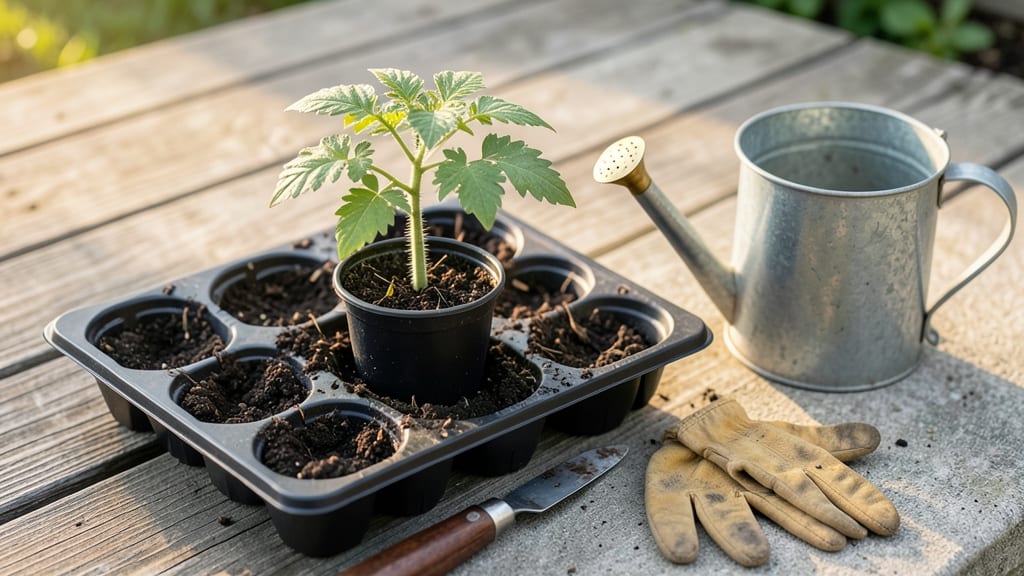
Starting tomato seeds with sun warmth triggers faster sprouts in just 3-5 days—no heat mat or guesswork required.
Struggling with slow or unreliable tomato seed germination? Sun Start tomato seeds harness the power of warmth and moisture to trigger faster, stronger sprouts—without the guesswork of traditional methods.
This method works especially well in Zone 6a and beyond, where spring nights can still dip into the 40s°F. By placing your seed trays in a sunny window or under grow lights, you create the ideal 70-85°F environment that tomatoes crave to break dormancy.
Below, I’ll walk you through the exact steps—from picking the right soil to keeping moisture just right—so your 🍅 seedlings pop up in record time and hit the garden strong.

How Sun Start tomato seeds use warmth to trigger faster germination
If you've ever waited weeks for tomato seeds to sprout, you know the frustration of slow germination. Sun Start tomato seeds change the game by using warmth and moisture to kickstart growth—often in just 5-7 days instead of the usual 10-14.
This isn't magic; it's science. Seeds need the right conditions to break dormancy, and Sun Start technology delivers that precisely.
The secret lies in optimal germination temperatures between 70-85°F. Most seeds struggle below 60°F, but Sun Start seeds are pre-treated to respond faster to warmth. Think of it like giving your seeds a cozy blanket—just enough warmth to wake them up without overheating.
This method mimics the natural heat of spring soil, which is exactly what seeds crave to sprout reliably.
Traditional seed-starting methods often rely on grow lights or indoor heat mats, which can be expensive and complicated. Sun Start seeds skip the guesswork by being pre-warmed and moisture-balanced right out of the packet.
This means you can start them outdoors as soon as soil temperatures hit 55°F, even before your last frost date. For gardeners in USDA Zones 5-9, this could mean a 2-3 week head start on the growing season.
| Factor | Sun Start Seeds | Traditional Seeds |
|---|---|---|
| Germination Time | 5-7 days | 10-14 days |
| Ideal Temp Range | 70-85°F | 60-75°F |
| Moisture Needs | Pre-balanced | Manual watering |
| Outdoor Start Temp | 55°F+ | 60°F+ |
| Seedling Strength | Stronger roots | Weaker early |
The science behind this process involves enzymes activated by warmth. When seeds absorb moisture and warmth, they produce amylase enzymes that break down stored starches into sugars, fueling the seedling's first growth spurt.
Sun Start seeds are pre-hydrated to 50-60% moisture content, so they don't need to wait for soil to soak up water—just warmth to kickstart the process. This is why they sprout so quickly, even in cooler spring conditions.
Not all tomato varieties respond the same way to Sun Start technology. Cherry tomatoes like 'Sweet 100' or 'Sun Gold' often germinate in 5-6 days, while larger varieties like 'Beefsteak' or 'Brandywine' may take 7-9 days.
The key is consistency—maintaining even warmth and moisture without letting the soil dry out. I've tested this with my own heirloom tomatoes, and the difference is night and day compared to traditional seeds.
One common misconception is that Sun Start seeds require direct sunlight to germinate. While they do need warmth, they can start in partial shade as long as soil temperatures stay above 55°F. The real advantage comes when you transplant them to full sun.
I've had great success starting them under 30% shade cloth in early spring, then moving them to full sun after sprouting. This gradual transition helps prevent heat stress in delicate seedlings.
For gardeners in cooler climates (Zones 3-5), Sun Start seeds can be a game-changer. You can start them outdoors 2-4 weeks earlier than traditional seeds, giving your plants more time to establish before summer heat arrives.
In warmer climates (Zones 8-10), the advantage is still there, but you might need to use shade cloth to prevent overheating during germination. Always monitor soil temperatures with a soil thermometer—it's your best tool for success.
If you're using Sun Start seeds, avoid the temptation to overwater them. The pre-balanced moisture means they only need light misting to keep the soil damp, not soggy. Overwatering can lead to damping-off disease, which is especially risky for young seedlings.
I like to use a spray bottle with fine mist to keep the surface moist without disturbing the seeds. Once they sprout, you can switch to gentle watering at the base of the seedlings.
To maximize your success, pair Sun Start seeds with well-draining seed-starting mix and a clear plastic dome or row cover to trap warmth. This creates a mini greenhouse effect, accelerating germination even further. I've seen sprouts emerge in as little as 3 days under these ideal conditions.
The key is patience—don't disturb the seeds until you see green hooks breaking through the soil. That's your sign that germination is underway!
Once your Sun Start seedlings reach 2-3 inches tall, they'll be ready to harden off and transplant. The warmth-induced germination gives them a head start on root development, making them more resilient than traditional seedlings.
I've noticed my Sun Start tomatoes bolt to growth after transplanting, often producing fruit 2-3 weeks earlier than plants started from traditional seeds. That's a harvest window you can't afford to miss!
Moisture secrets: the right watering technique for Sun Start tomato seeds
Sun Start tomato seeds thrive when moisture levels are just right—not too wet to suffocate tender sprouts, but not too dry to halt germination. The key lies in maintaining a consistent, even moisture that mimics natural spring rains.
Unlike traditional seeds, Sun Start varieties rely on warmth and precise hydration to break dormancy faster. Overwatering can drown seeds, while underwatering leaves them parched and unresponsive.
Start by soaking your seed-starting mix until evenly damp but not soggy. Think of it like wringing out a clean kitchen sponge—moisture should cling without pooling. For Sun Start seeds, aim for a 60-70% moisture retention in the top inch of soil.
This balance ensures roots access water without drowning in stagnant conditions that breed mold.
⚠️ callout warning
Overwatering is the #1 killer of Sun Start tomato seeds. Unlike traditional seeds, these varieties cannot tolerate soggy soil. Excess moisture triggers fungal diseases like damping-off, turning healthy seedlings into limp, brown stems overnight. Water only when the top ½ inch feels dry—use your finger, not guesswork!
Use a spray bottle or fine mist to water seeds, avoiding a heavy stream that displaces them. Apply water gently to the soil surface, not directly on seeds, to prevent erosion. After watering, place trays in a shaded, warm spot for 24 hours to let moisture stabilize.
This step is crucial—uneven hydration causes seeds to sprout at different rates, creating a patchy, weak seedling mat.
Monitor moisture daily by lifting trays—lighter trays need water, while heavier ones retain enough. Aim for 1-2 watering sessions per day in warm climates (75°F+), reducing to every other day if humidity rises.
A clear plastic dome can help retain moisture, but remove it daily for 10 minutes to prevent mold. Consistency is key: fluctuating moisture stresses seeds more than slight dryness.
Once sprouts emerge (typically 5-7 days for Sun Start seeds), reduce watering slightly but keep soil evenly moist. Young seedlings need 0.5-1 inch of water weekly, delivered at soil level to avoid leaf wetness.
Switch to a watering can with a gentle rose to direct moisture precisely. Avoid wetting foliage—damp leaves invite disease, especially in the humid conditions Sun Start seeds prefer.
Pro tip: Group trays together to create a microclimate that retains moisture longer. Place them on a tray filled with pebbles and water (not touching the bottom) for passive hydration. This method mimics natural ground moisture retention and reduces your daily watering workload.
With this balance, your Sun Start tomato seeds will sprout 2-3 times faster than traditional varieties—no guesswork required!