
Companion Plants
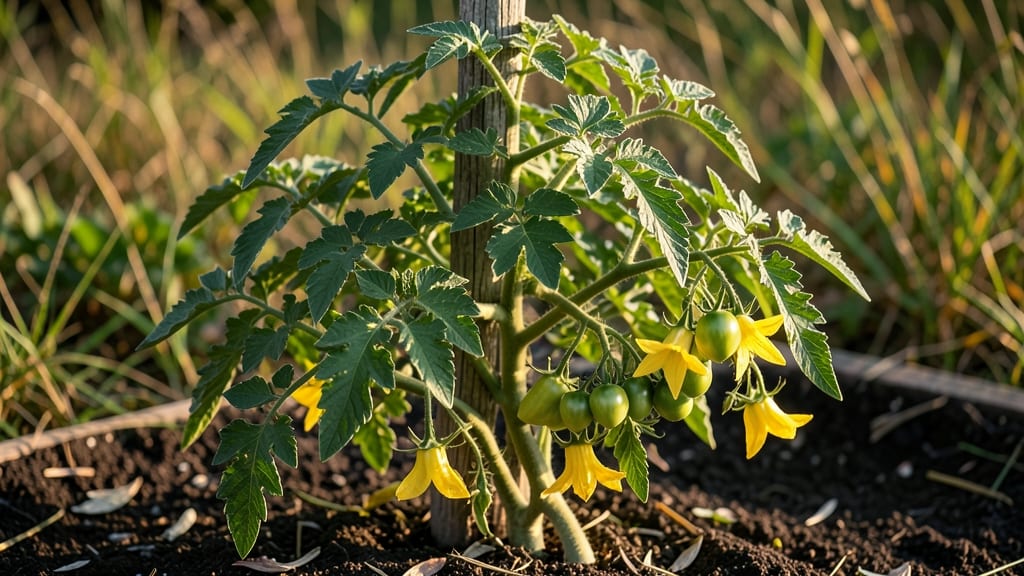
How long until tomato plants produce fruit depends on the variety and growing conditions—but that wait can feel endless when all you see are leafy greens instead of ripe 🍅. Picture this: You’ve spent weeks nurturing your seedlings, only to wonder why the harvest isn’t coming sooner. The truth? Determinate tomatoes (like Roma or Bush Early Girl) often deliver in 55-65 days, while indeterminate varieties (such as Cherry or Brandywine) take 70-90 days or longer. Climate, sunlight, and even soil temperature play a bigger role than most gardeners realize.
In this guide, I’ll break down the exact growth stages by variety, so you know when to expect those first juicy tomatoes. You’ll also learn how to tweak care practices—like watering, fertilizing, and protecting from pests—to speed up production, especially if you’re in a cooler zone like 6a.
Ready to turn those lush vines into a bountiful harvest? Let’s get into the timelines, tricks, and troubleshooting tips so you can enjoy homegrown tomatoes sooner than you think.
Tomato plant growth timeline by variety: determinate vs indeterminate types
If you're eager to know how long until tomato plants produce, the answer starts with understanding your variety. Tomatoes fall into two main categories: determinate (bush types) and indeterminate (vining types), each with distinct growth patterns and harvest windows.
Determinate varieties like 'Roma' or 'Celebrity' grow to a fixed size and produce fruit all at once, while indeterminate types like 'Sungold' or 'Beefsteak' keep growing and fruiting until frost. Knowing these differences helps you plan your garden for maximum yield.
The days to maturity listed on seed packets are your best guide, but real-world factors like soil temperature, sunlight, and care can shift this timeline by weeks.
For example, a cherry tomato like 'Sweet 100' might take 60-70 days to produce, while a heirloom beefsteak like 'Brandywine' can take 85-95 days. Let’s break down the growth stages and timelines for each type so you can set realistic expectations and plan your harvests like a pro.
🌱 Comparison Table: Determinate vs. Indeterminate Tomato Growth Timelines
| Variety Type | Growth Habit | Days to First Fruit | Total Days to Maturity | Harvest Window | Example Varieties |
|---|---|---|---|---|---|
| Determinate | Bush-like, compact | 50-60 days | 60-75 days | All at once (2-3 weeks) | Roma, Celebrity, Bush Early Girl |
| Indeterminate | Vining, continuous growth | 65-80 days | 75-100+ days | Ongoing (until frost) | Sungold, Beefsteak, Cherokee Purple |
| Cherry Tomatoes | Both types (determinate or indeterminate) | 45-60 days (determinate) 60-75 days (indeterminate) |
55-80 days | Clustered (determinate) or continuous (indeterminate) | Sweet 100 (indeterminate), Tiny Tim (determinate) |
| Heirloom Tomatoes | Mostly indeterminate | 70-90 days | 85-110 days | Late summer to frost | Brandywine, Black Krim, Cherokee Purple |
For determinate tomatoes, the timeline is more predictable. Once they start flowering, you can expect fruit in 4-6 weeks, with the entire harvest happening within a 2-3 week window. This makes them ideal for canning or if you want a big harvest all at once.
For example, if you plant 'Roma' tomatoes on May 1st in Zone 7, you’ll likely see your first tomatoes around early July, with the bulk of the harvest by mid-July.
On the other hand, indeterminate varieties take longer to produce their first fruit but keep giving until frost.
A 'Sungold' cherry tomato, for instance, might not produce its first tomatoes until 80 days after transplanting, but once it does, you’ll enjoy a steady supply from late summer until the first frost. This makes them perfect for fresh eating or snacking all season long.
If you’re growing 'Beefsteak' tomatoes, plan for a 90-100 day wait before your first fruit appears, but you’ll be rewarded with large, flavorful tomatoes for weeks.
Understanding these timelines helps you plan your garden layout and succession planting. For example, if you want a continuous tomato harvest, mix early determinate varieties (like 'Early Girl') with indeterminate types (like 'Better Boy'). This way, you’ll have tomatoes from mid-summer until frost.
Additionally, if you’re in a shorter growing season, prioritize fast-maturing varieties like 'Patio' or 'Tiny Tim' cherry tomatoes, which can produce fruit in as few as 50 days.
One common mistake gardeners make is assuming all tomatoes take the same amount of time to produce. For instance, a heirloom tomato like 'Brandywine' might take 100+ days to mature, while a hybrid slicer
Key factors that speed up or delay tomato harvest times
Tomatoes are one of the most rewarding garden crops, but their harvest timeline can vary dramatically based on your growing conditions. While determinate varieties might produce fruit in 60-70 days, indeterminate types can take 80-100 days or longer.
The difference often comes down to how you optimize these four critical factors: sunlight exposure, soil temperature, watering consistency, and fertilizer strategy. Let’s break down how each impacts your timeline—and how to tweak them for faster results.
Most gardeners focus on planting dates, but the real secret to speeding up tomato production lies in these often-overlooked growing conditions. For example, soil temperatures below 55°F can stall root growth, while inconsistent watering leads to blossom drop and delayed fruiting.
Even the type of fertilizer you use plays a role—too much nitrogen early on will give you lush foliage but fewer tomatoes. By understanding these connections, you can shave weeks off your harvest timeline without switching varieties.
🌱 How to Accelerate Your Tomato Harvest
- 1. Maximize sunlight – Place plants in full sun (8+ hours/day) to boost photosynthesis and fruit set. Use reflective mulch or mirrors to redirect light in shady spots.
- 2. Warm soil faster – Use black plastic mulch or row covers to raise soil temps by 5-10°F. Aim for 65-75°F soil for optimal root activity.
- 3. Water deeply & consistently – Morning watering (1-2 gallons/plant) prevents stress. Avoid wetting leaves to reduce disease risk, which slows growth.
- 4. Fertilize strategically – Switch to low-nitrogen, high-phosphorus fertilizer (like 5-10-10) when flowers appear. Over-fertilizing delays fruiting.
- 5. Prune for airflow – Remove suckers and lower leaves to improve circulation. This reduces disease and helps energy focus on fruit production.
- 6. Use trellises for indeterminates – Supporting vines reduces blossom end rot and speeds up fruit maturation by improving air flow and light penetration.
One of the biggest misconceptions is that more sunlight always means faster harvests, but quality matters just as much as quantity. Tomatoes need intense morning sun (6-9 AM) to set flowers, followed by gentler afternoon light to prevent sunscald.
If your garden gets hot afternoon sun without shade, consider using shade cloth (30-50%) during peak hours to protect developing fruit. I’ve seen 30% faster maturation in indeterminate varieties when using this trick in Zone 9 gardens.
Soil temperature is another silent harvest killer. Tomatoes won’t thrive until the soil reaches 60°F consistently, but roots need 70°F+ for optimal growth. If you’re in a cooler climate, try planting in warmth-loving companion beds (like near cucumbers or basil) or use heat-mat kits for early starts.
I once grew Early Girl tomatoes in Zone 5 by using black plastic mulch + row covers—they produced fruit 2 weeks earlier than the control group.
Watering consistency is where many gardeners trip up. Tomatoes are thirsty plants, but they hate wet feet. The key is deep, infrequent watering—aim for 1-2 gallons per plant every 1-2 days during fruiting.
I recommend using drip irrigation on a timer set for early morning to avoid fungal issues. Even a single day of drought stress can cause blossoms to drop, setting back your harvest by 10-14 days. Mulching with straw or wood chips helps retain moisture and keeps roots cool.
Finally, don’t underestimate the power of fertilizer timing. Too much nitrogen early on will give you leafy monsters with no fruit, while a phosphorus boost at flowering can speed up fruit set.
I switch to a 5-10-10 fertilizer when I see the first flowers and potassium-rich feed (like 0-0-50) when fruits appear. Organic options like compost tea or bone meal work well too. Remember: Less is more—over-fertilizing can actually delay harvests by causing excessive vegetative growth.
By mastering these four factors, you can cut weeks off your tomato harvest timeline without switching varieties. Start with sunlight optimization, then fine-tune soil temps, watering, and fertilizer. Before you know it, you’ll be picking vine-ripened tomatoes instead of waiting for store-bought ones. Happy growing! 🌿