
Planting
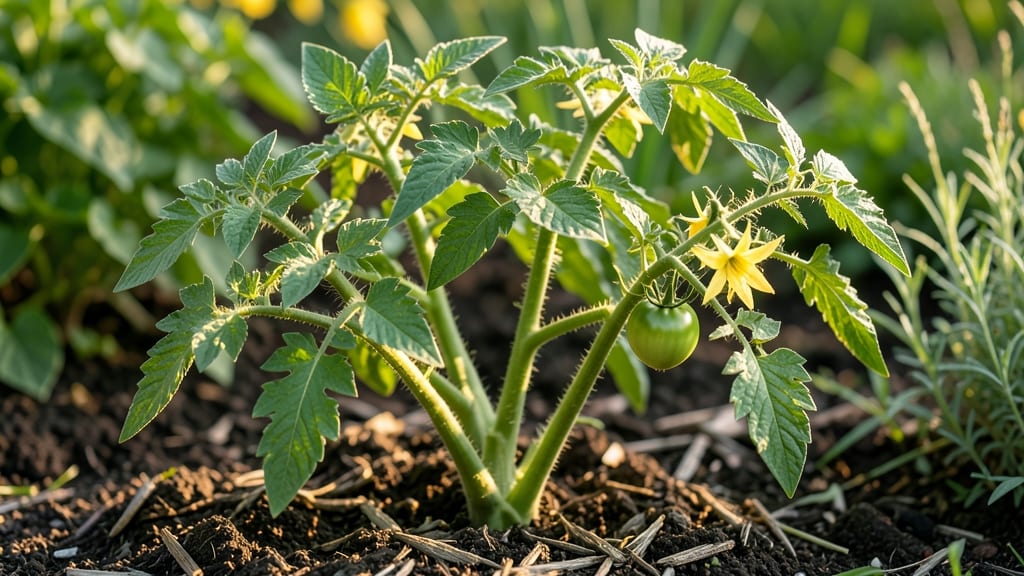
Your tomato plant will produce fruit anywhere from 20 to 50 days after flowering, depending on the variety, weather, and care you provide—here’s how to predict (and speed up) that timeline.
Ever stared at a tomato plant covered in blooms and wondered why nothing seems to be happening? The answer lies in the hidden stages between flower and fruit, where temperature, sunlight, and even your watering habits play a bigger role than you might think.
Most gardeners assume all tomatoes follow the same schedule, but determinate (bush) types like 'Roma' fruit faster—often in just 20-30 days—while indeterminate (vining) varieties such as 'Better Boy' can take up to 50 days or more.
Below, I’ll break down the science behind those numbers and what you can do to nudge your plant along.
You’ll also discover the five key factors that accelerate or stall fruit production, from pollination tricks to soil secrets, so you can turn those flowers into a harvest weeks sooner than you expected.
How many days after flowering do tomatoes take to produce fruit?
If you're eagerly watching your tomato plant bloom but wondering when those flowers will turn into fruit, you're not alone. The timeline from flowering to harvest varies based on tomato variety, growing conditions, and even your pollination methods.
On average, expect 20 to 45 days from flower to fruit, but this can shift depending on whether you're growing determinate (bush) or indeterminate (vining) varieties. Let's break down what happens after those beautiful yellow blossoms appear.
The journey from flower to fruit begins with pollination, which triggers the ovary to swell and develop into a tomato. For most varieties, this process takes about 10 to 14 days before you'll see a tiny fruit forming.
After that, the real growth spurt happens as the tomato matures in size and color.
Determinate tomatoes, like 'Celebrity' or 'Roma', tend to produce fruit faster—often within 30 to 40 days—while indeterminate varieties, such as 'Better Boy' or 'Sungold', can take up to 45 to 60 days due to their continuous flowering habit.
| Factor | Determinate Varieties | Indeterminate Varieties |
|---|---|---|
| Days to Fruit After Flowering | 20–35 days | 30–45 days |
| Total Days to Harvest (from transplant) | 60–75 days | 75–90+ days |
| Fruit Production Pattern | All at once (heavy crop) | Continuous (trickle crop) |
| Examples | Roma, Bush Early Girl | Sungold, Better Boy |
| Key Limiting Factor | Day length (shorter seasons) | Heat and water stress |
Understanding these differences is crucial because environmental factors like temperature and sunlight can either speed up or slow down fruit development. For instance, temperatures below 55°F (13°C) or above 90°F (32°C) can stunt pollination and fruit set, extending the timeline.
Similarly, inconsistent watering or nutrient deficiencies may cause flowers to drop before fruiting begins. If your tomatoes aren't forming after flowering, check for these common issues first.
One of the biggest misconceptions is that all tomato flowers will produce fruit. In reality, plants often abort flowers due to stress or overcrowding. This is especially true for indeterminate varieties, which produce flowers continuously throughout the season.
To maximize your harvest, focus on supporting pollinators like bees and hummingbirds, or gently shake the plants during flowering to aid cross-pollination. For greenhouse growers, a light hand-pollination with a small brush can work wonders.
If you're growing in a container, expect slightly slower fruit development due to limited root space and potential heat stress from plastic pots. In these cases, choose compact indeterminate varieties like 'Tiny Tim' or 'Patio Princess', which are bred to produce fruit more efficiently in smaller spaces.
These varieties typically deliver fruit within 35 to 40 days after flowering, making them ideal for balconies or patios.
For gardeners in cooler climates, early-maturing varieties like 'Stupice' or 'Mountain Merit' are excellent choices, as they can produce fruit in as few as 25 to 30 days after flowering.
These varieties are also more tolerant of short growing seasons and can handle slightly lower temperatures better than heat-loving types. Pair them with black plastic mulch to warm the soil faster and encourage quicker fruit set.
Pay attention to the color of the fruit as it develops—this is your best indicator of progress. After pollination, the tomato will start as a tiny green "tomato marble". Over the next 2 to 3 weeks, it will grow rapidly in size.
The final color change (from green to red, yellow, or purple, depending on the variety) typically takes 10 to 20 days, depending on sunlight exposure. If your tomatoes are staying green longer than expected, they may need more sunlight or balanced fertilizer to complete ripening.
Pro tip: Use a garden journal to track the days from flowering to fruit set for your specific variety. Note the weather conditions, watering schedule, and any fertilizer applications during this period. Over time, you'll notice patterns that
5 Key factors that speed up or delay tomato fruit production
If your tomato plants are blooming but not fruiting, you're not alone. The transition from flower to fruit depends on several environmental and care factors. Understanding these variables helps you troubleshoot delays and optimize your garden for faster harvests.
Let’s break down the five most critical elements that control how quickly your tomatoes go from bloom to bounty.
First, temperature plays a starring role. Tomatoes thrive in daytime temperatures between 70-85°F (21-29°C) and nighttime temps above 55°F (13°C). Heat stress above 90°F (32°C) can cause blossom drop, while cold snaps below 50°F (10°C) stunt fruit development. Even if flowers appear, extreme temps can halt pollination entirely.
Tomatoes need 6-8 hours of direct sun daily for optimal fruit set. Shade reduces photosynthesis, slowing growth and delaying fruit production.
Deep, consistent watering (1-1.5 inches per week) prevents stress. Fluctuating moisture causes blossom end rot or poor fruit development.
A balanced fertilizer (5-10-10) supports fruit production. Too much nitrogen = leafy growth, not fruit. Add compost for organic nutrients.
Hand-pollinate morning-glory flowers if bees are scarce. Gently shake plants or use a paintbrush to transfer pollen.
Determinate varieties (e.g., 'Celebrity') fruit faster (50-60 days) than indeterminate types (70+ days). Choose early-maturing hybrids for quicker harvests.
Next, sunlight is non-negotiable. Tomatoes need 6-8 hours of direct sun daily to fuel photosynthesis and fruit development. Even partial shade can delay ripening by 1-2 weeks.
If your plants are in containers, rotate them weekly to ensure even sun exposure. South-facing windows or greenhouse setups maximize light for indoor growers.
Watering might seem simple, but inconsistent moisture is a top culprit behind delayed fruiting. Tomatoes need deep watering (1-1.5 inches per week), especially during flowering and fruiting stages.
Shallow watering causes blossom end rot or stunted fruit growth. Use drip irrigation or soaker hoses to deliver water directly to the roots, keeping foliage dry to prevent disease.
Don’t overlook soil nutrients. Tomatoes are heavy feeders and require a balanced fertilizer (5-10-10 ratio) to produce fruit. Too much nitrogen leads to lush leaves but few tomatoes. Instead, focus on phosphorus and potassium during flowering.
Add compost or aged manure to improve soil structure and nutrient retention. A soil test can reveal deficiencies like magnesium or calcium, which also delay fruit set.
Finally, pollination is the missing link between flowers and fruit. While tomatoes are self-pollinating, factors like lack of bees, high humidity, or wind can prevent pollen from reaching the stigma.
Hand-pollinate by gently shaking plants or using a paintbrush to transfer pollen from male to female flowers (look for tiny buds at the base of the flower). This simple step can double your fruit production in just days.
By addressing these five factors—temperature, sunlight, watering, soil nutrients, and pollination—you’ll create the perfect conditions for your tomatoes to go from bloom to harvest in record time. Start with one area, like improving sunlight or hand-pollinating, and watch your plants respond with faster fruit development! 🌱