
Plants
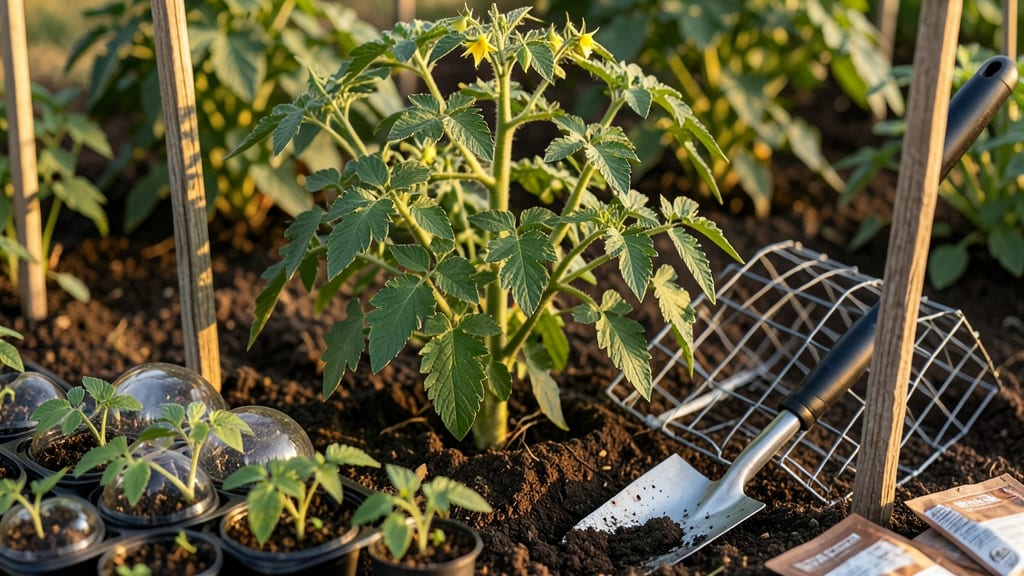
Planting tomato seeds in Massachusetts at the right time means the difference between a bountiful harvest and a frost-killed crop 🍅 — and the clock starts ticking in early spring.
If you’ve ever watched your seedlings shiver under a late frost or struggled to get tomatoes to set fruit before the heat sets in, you know timing is everything. The key is balancing indoor starts with outdoor conditions, and Massachusetts’ 6a climate adds another layer of complexity.
Here’s what you need to know: from indoor seed-starting deadlines to transplanting after the last frost (usually around April 15), this guide covers the exact windows for your region—whether you’re in Boston, Worcester, or the Pioneer Valley.
You’ll also discover how to adjust for early vs. late varieties, harden off seedlings the right way, and even stretch your harvest with cold frames for northern Massachusetts. Let’s get those seeds in the ground at the perfect moment.
Massachusetts frost dates and ideal tomato seed planting windows
Massachusetts' variable climate means your tomato planting window depends heavily on your specific region. The state's last average frost dates range from early April in southern areas to mid-May in northern zones. Understanding these microclimates helps you time your seed starting and transplanting perfectly for maximum yields.
For Boston gardeners, the average last frost date is April 15, while Worcester typically sees its last frost around April 22. Springfield and western MA regions often experience their final frost by May 1, giving you slightly more time to get seeds in the ground.
These regional differences can mean a 2-3 week variation in your planting schedule.
Here's where it gets interesting: heirloom varieties like Brandywine need that full growing season, while hybrid varieties like Early Girl mature faster. Your seed starting timeline should account for both the last frost date in your area AND the days to maturity of your chosen variety.
🌱
For heirloom tomatoes with longer days to maturity, I recommend starting seeds indoors 6-8 weeks before your region's last frost date. This gives you a head start on the growing season and helps you avoid transplant shock when moving seedlings outdoors.
For example, Boston gardeners should begin heirloom seeds around March 15 for transplanting by May 1.
Hybrid varieties typically mature 10-14 days faster than heirlooms, so you can start them 2-3 weeks later. This flexibility lets you extend your harvest window by planting successive crops.
For instance, in Worcester, starting Early Girl seeds on April 1 gives you an earlier harvest than planting Brandywine seeds at the same time.
Don't forget about soil temperature—tomato seeds need 60-70°F soil to germinate properly. In cooler northern regions, you might need to use black plastic mulch or row covers to warm the soil and extend your planting window by 2-3 weeks.
This technique works particularly well for late-starting varieties in northern MA.
🌿
If you're growing cherry tomatoes or other fast-maturing varieties, you can even try direct sowing after your last frost date if you're in a hurry. For these varieties, simply plant seeds 1/4 inch deep when soil temperatures reach 60°F and keep them consistently moist.
This method saves you the seedling care step but requires more pest vigilance since young plants are more vulnerable.
For container gardening in Massachusetts, start seeds indoors 2 weeks earlier than ground planting schedules. Container soil heats up faster and cools down quicker, so you'll need to adjust your watering schedule and potentially use heat mats to maintain optimal germination temperatures.
This approach works well for balcony gardens in urban areas like Boston.
🪴
Step-by-step tomato seed starting schedule for Massachusetts gardeners
Starting tomato seeds indoors gives you a head start on the growing season in Massachusetts, where last frost dates can vary from mid-April in southern regions to late May in northern areas.
For most gardeners, 6-8 weeks before your last frost is ideal—typically late February to early March for most of the state. This schedule ensures your seedlings are robust and ready for transplanting once soil temperatures warm up.
If you're using heirloom varieties like Brandywine or Sungold, which take longer to mature, start seeds 8 weeks before last frost. For faster-maturing hybrids like Early Girl, 6 weeks is sufficient. Always check your seed packet for specific days-to-maturity guidelines to fine-tune your timing.
🌱 Week-by-Week Tomato Seed Starting Schedule
-
1
Weeks 1-2: Sow Seeds Indoors
Fill seed trays with sterile seed-starting mix and plant seeds 1/4 inch deep. Keep soil moist and warm (70-80°F) using a heat mat. Place trays in a sunny window or under grow lights (14-16 hours/day). -
2
Weeks 3-4: Germination & Early Growth
Once sprouts appear (7-14 days), remove heat mat and provide bright light. Thin seedlings to 1 per cell if overcrowded. Keep soil consistently moist but avoid waterlogging. -
3
Weeks 5-6: Fertilize & Strengthen
Fertilize with diluted liquid fertilizer (5-10-10) when seedlings have 2-3 true leaves. Harden off by placing trays outside for 1-2 hours daily, gradually increasing time. -
4
Week 7: Full Hardening-Off
Move seedlings outdoors overnight (protected from wind) for 5-7 days. Acclimate to sun, wind, and temperature fluctuations to prevent transplant shock. -
5
Week 8: Transplant Outdoors
Plant seedlings after last frost when soil is at least 60°F. Bury stems deeply (up to lower leaves) to encourage root growth. Space 18-24 inches apart for indeterminate varieties.
Pro Tip: Use biodegradable pots to avoid root disturbance during transplanting. 🌱
For gardeners in northern Massachusetts (e.g., North Adams, Pittsfield), where frosts can linger until late May, adjust your schedule by starting seeds 2-3 weeks later or use a cold frame to extend the season.
Always monitor soil temperature with a thermometer—tomatoes won’t thrive until the ground warms to 60°F or higher.
After transplanting, mulch around seedlings with straw or shredded leaves to retain moisture and regulate soil temperature. Water deeply at the base of plants in the morning to prevent fungal diseases like early blight, which thrives in damp foliage. Avoid overhead watering, especially in the evening hours.
With this schedule, you’ll have vigorous seedlings ready for your Massachusetts garden by early May, setting the stage for a bountiful harvest from July through September. Happy growing! 🍅