
Plants
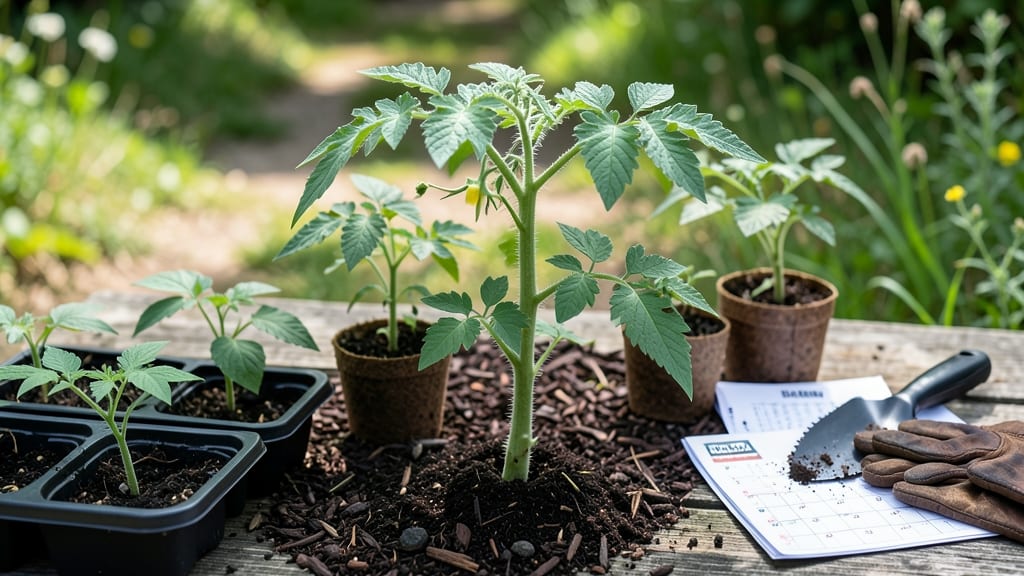
Planting tomato seeds in California requires knowing your region’s last frost date and microclimate — coastal gardeners can start as early as February, while desert growers wait until March or later.
California’s diverse climate means tomato seed planting dates vary dramatically—from coastal chill to desert heat—so timing your start can mean the difference between a bountiful harvest and wasted effort.
If you’re in Zone 10 (coastal), you can sow seeds year-round, but the sweet spot for spring tomatoes is February to April, avoiding summer’s heat stress.
Inland areas like the Central Valley (Zone 9) should wait until March, while desert regions (Zone 8) need to hold off until late March or April.
Below, I break down the exact planting windows by region, indoor vs. outdoor methods, and how to adjust for heat-tolerant varieties—so you can maximize your yield without guessing.
California tomato seed planting dates by region: coastal, valley, and desert zones explained
California’s diverse microclimates create wildly different tomato planting windows—from coastal chill to desert heat. Unlike most states, California’s USDA Zones 8-11 mean you can grow tomatoes year-round in some areas, but timing still matters for maximum yield.
The key? Knowing your last frost date and soil temperature thresholds (tomatoes need 60°F+ soil to thrive).
In coastal regions like San Francisco and Santa Barbara (Zone 10), you can plant year-round, but the sweet spot is February-April for spring crops and August-September for fall harvests.
Meanwhile, Central Valley gardeners (Zone 9) should aim for March-May, while desert zones (Zone 8-9) like Palm Springs benefit from late winter starts to avoid summer’s brutal heat.
Here’s the breakdown by region—because a 1-week difference can mean the difference between flourishing plants and wilted seedlings. Use this guide to align your planting with California’s unique frost-free windows and heat tolerance zones.
| Region | USDA Zone | Last Frost Date (Avg.) | Best Indoor Seed Start | Direct Sow Window | Fall Planting (Zone 10) |
|---|---|---|---|---|---|
| North Coast (Eureka, Redwood City) | 10 | None (year-round) | Jan 15 - Feb 15 | Feb 1 - Apr 15 | Aug 1 - Sep 15 |
| Bay Area (San Francisco, Oakland) | 10 | None (year-round) | Jan 30 - Mar 1 | Feb 15 - Apr 30 | Aug 15 - Oct 1 |
| Central Valley (Sacramento, Fresno) | 9 | Jan 15 - Feb 15 | Feb 1 - Mar 15 | Mar 15 - May 1 | Aug 1 - Sep 10 |
| Southern California (LA, San Diego) | 10-11 | None (year-round) | Feb 1 - Mar 15 | Feb 15 - May 1 | Aug 1 - Oct 15 |
| Desert (Palm Springs, Joshua Tree) | 8-9 | Feb 1 - Mar 1 | Feb 15 - Mar 15 | Mar 15 - Apr 15 | Aug 1 - Sep 1 |
Notice how Zone 10 regions (coastal) have no frost risk, allowing for year-round planting? That’s why gardeners in Santa Barbara or San Diego can grow two crops annually—spring and fall—while desert gardeners must time starts carefully to avoid summer heat stress (temps above 90°F stunt growth).
For Central Valley growers (Zone 9), the last frost date (typically January 15-February 15) signals the start of indoor seed sowing. Aim to transplant 6-8 weeks later, when soil temps hit 60°F+.
Use black plastic mulch to warm the soil faster if needed—this trick adds 5-7°F to soil temperature, speeding up germination.
In desert zones, the challenge isn’t frost but intense summer heat. Plant heat-tolerant varieties like
Indoor seed starting vs. direct sowing: which method works best for California tomatoes?
Deciding between starting tomato seeds indoors or planting them directly outside in California depends on your local microclimate and the tomato varieties you choose. In cooler regions like the Central Valley (Zone 9), indoor seed starting gives you a 6-8 week head start before the last frost.
Meanwhile, Southern California gardeners in Zone 10 can often direct-sow year-round thanks to mild winters.
For most California gardeners, indoor seed starting is ideal if you want to grow heirloom or slow-maturing varieties like 'Brandywine' or 'Cherokee Purple'. These need extra time to develop strong roots before transplanting.
On the other hand, heat-tolerant varieties such as 'Solar Fire' or 'Heatmaster' thrive when direct-sown after soil temperatures hit 60°F, making them perfect for Southern California’s extended growing season.
Indoor Seed Starting vs. Direct Sowing for California Tomatoes
Indoor Seed Starting
- Pros: Earlier harvest, better root development, ideal for slow varieties
- Cons: Requires grow lights/space, risk of leggy seedlings, transplant shock
Direct Sowing
- Pros: No transplant shock, simpler process, great for heat-lovers
- Cons: Limited to warm seasons, slower growth, pest risks
Best For: Indoor = Zones 8-9 (Central Valley); Direct = Zone 10 (Southern CA)
If you're starting seeds indoors, begin 6-8 weeks before your last frost date. For most of California, this means mid-January to early March for Zone 9 and late February to April for Zone 8.
Use grow lights to provide 12-16 hours of light daily and keep seedlings at 70-75°F during the day and 60-65°F at night for optimal growth.
For direct sowing, wait until soil temperatures consistently reach 60°F, which typically happens in late March to early May in the Central Valley and February to April in Southern California. Use a soil thermometer to monitor temperatures—tomatoes won’t germinate well in cooler soils.
In desert regions like Zone 8, you can even direct-sow as early as late January if protected by row covers.
Heat-tolerant varieties are a game-changer for Southern California gardeners. Varieties like 'Solar Fire' or 'Heatmaster' can handle temperatures up to 95°F without wilting, making them perfect for direct sowing in April or May.
These varieties also produce fruit faster (50-60 days), giving you an earlier harvest than traditional types.
My top tip? If you're in Zone 10, experiment with fall direct sowing in August for a second harvest. Just be sure to use black plastic mulch to keep roots cool and retain moisture during summer’s peak heat.
For cooler zones, combine both methods—start seeds indoors for early varieties and direct-sow heat lovers later in the season.