
Plants
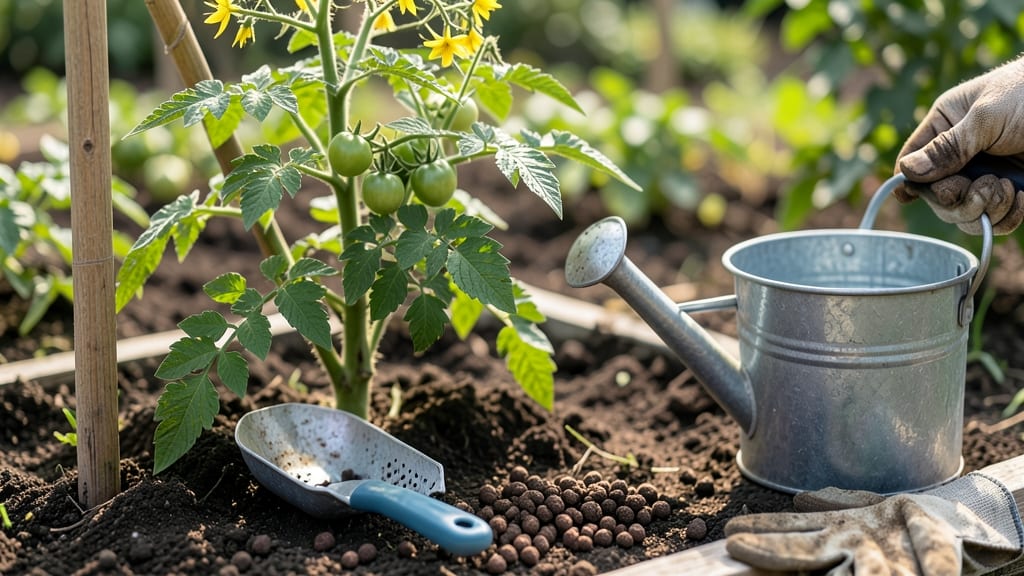
To fertilize tomato plants at the right time ensures strong roots, abundant flowers, and a heavy harvest of 🍅—and missing the window can leave you with stunted vines or bitter fruit.
Picture this: You’ve just transplanted your seedlings, eager for a summer of juicy tomatoes, only to watch them struggle weeks later. The culprit? Fertilizing too early or too late. Timing matters more than most gardeners realize, and the stages—from seedling to fruiting—each demand a different approach.
You’ll learn exactly when to feed your tomatoes—whether it’s a light boost at transplanting, a phosphorus push when flowers appear, or a potassium kick as fruit swells. We’ll cover organic vs. synthetic options, how to spot nutrient hunger, and when to pull back before the first frost.
By the end, you’ll know the three critical stages to fertilize, plus how climate and soil type tweak the schedule. No more guesswork—just a bountiful harvest you can taste.
Optimal fertilization schedule for tomato plants by growth stage
Tomato plants are heavy feeders, and their nutritional needs change dramatically from seedling to fruiting stage. Mistimed fertilization can lead to stunted growth, poor flowering, or even blossom-end rot.
The key is feeding them at the right growth stages with the right nutrients. I’ll break down exactly when to fertilize—from pre-planting to harvest—so you can maximize your yield.
Most gardeners focus on nitrogen for leafy growth but overlook the critical phosphorus and potassium boosts needed during flowering and fruiting. A balanced fertilizer (like 5-10-10) works well, but organic options like compost tea or fish emulsion can also deliver targeted nutrients.
Let’s dive into the stage-by-stage schedule that will transform your tomato plants from scraggly seedlings to prolific producers.
⚠️ Pro Tip: Always fertilize in the early morning to reduce leaf burn and disease risk. Water your plants thoroughly before and after applying fertilizer to help nutrients absorb and prevent root damage.
At the pre-planting stage, focus on enriching your soil with organic matter like compost or aged manure. This builds a nutrient-rich foundation before your seedlings even arrive.
I recommend mixing in 2-3 inches of compost 4-6 weeks before transplanting to ensure your soil has plenty of nutrients ready for your hungry tomato plants.
Once your seedlings are 6-8 inches tall (typically 1-2 weeks after transplanting), it’s time for their first light feed. Use a balanced fertilizer like 10-10-10 or a mild organic option such as fish emulsion.
This stage is all about encouraging leafy growth, so nitrogen is key—but don’t overdo it, or you’ll stunt flowering later.
During the vegetative growth phase (3-4 weeks after transplanting), your tomato plants will start putting on serious height and foliage. This is when you can increase fertilizer frequency to every 3-4 weeks.
A 5-10-10 balanced fertilizer works well here, providing a steady supply of nitrogen while introducing phosphorus to prep for flowering.
When your plants begin flowering (4-6 weeks after transplanting), switch to a high-phosphorus fertilizer like 10-20-10 or bone meal. Phosphorus is critical for root and flower development, and this is the stage where many gardeners see their first blossom-end rot if they’ve been over-fertilizing with nitrogen.
Feed every 2 weeks to support abundant blooms.
The fruiting stage (6+ weeks after transplanting) is where your fertilization strategy shifts again. Now, potassium-rich fertilizers like 5-10-20 or banana peel tea become essential. Potassium helps your tomatoes develop sweetness, size, and disease resistance.
Continue feeding every 3-4 weeks, but reduce nitrogen to prevent excessive leaf growth at the expense of fruit production.
Finally, 4-6 weeks before your first frost, it’s time to stop fertilizing entirely. Your tomato plants need this time to harden off and redirect energy to ripening existing fruit rather than producing new growth.
Over-fertilizing at this stage can lead to splitting fruits or delayed maturity, so resist the urge to feed one last time.
For organic gardeners, compost tea and
Signs your tomato plants need fertilizer (and when to avoid it)
Your tomato plants send clear signals when they're hungry for nutrients—but knowing which signs mean nutrient deficiency versus over-fertilization is key to avoiding common mistakes. Yellow leaves, stunted growth, or weak stems often point to hunger, while crispy edges or blossom-end rot scream "too much fertilizer!"
Let's decode these clues by growth stage.
First, new seedlings (under 6 inches) rarely need fertilizer—they rely on pre-planting soil prep. If you see purple stems or slow growth at this stage, it's likely phosphorus deficiency, not a need for more nitrogen. Wait 2-3 weeks before feeding young plants, and use a balanced 5-10-10 fertilizer sparingly.
⚠️ callout warning ⚠️
⚠️ When NOT to Fertilize Tomato Plants
- Hot weather (above 90°F): Burns roots and stresses plants
- First 2 weeks after transplanting: Roots need time to establish
- Late summer (6+ weeks before frost): Encourages new growth that won't mature
- After heavy rain: Excess nutrients leach away, wasting fertilizer
Pro Tip: Always water first to prevent fertilizer burn on dry soil.
During the flowering stage, look for yellowing lower leaves (oldest first) paired with small, weak flowers—this signals nitrogen deficiency.
However, if you spot blossom-end rot (black, sunken spots on fruit), it's often a calcium imbalance caused by inconsistent watering or excessive salt buildup from over-fertilizing. Side-dress with compost instead of more synthetic fertilizer.
As fruits begin setting, watch for stunted growth or leggy stems—this means your plants need phosphorus for root and flower development. But beware: Dark green, glossy leaves with crispy edges are classic over-fertilization signs. Flush the soil with water immediately if you see these symptoms.
Late in the season, slow-ripening fruit or small tomatoes often indicate potassium deficiency.
However, if your plants suddenly wilt despite moist soil, it could mean root damage from too much salt. Stop fertilizing entirely 4-6 weeks before your first frost—your plants are focusing energy on ripening fruit, not new growth.
Remember: Organic fertilizers (like compost or fish emulsion) release nutrients slowly, reducing over-fertilization risks. Always test your soil first—most garden soils already have enough nutrients for young plants. Less is more when it comes to tomato fertilization! 🌱