
Companion Plants
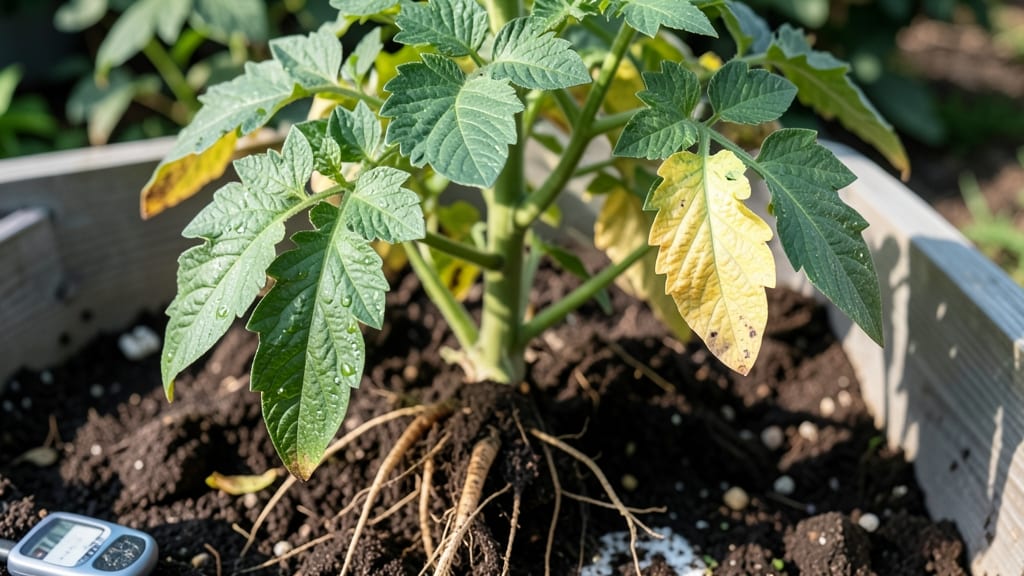
What makes tomato plants turn yellow isn’t just an aesthetic problem—it’s your plant’s silent SOS signal. 🌱 I’ve seen root rot, nutrient starvation, and even pests masquerade as the same issue, and the wrong fix can kill your plants faster than the problem itself. The good news? Most yellowing stems from just three root causes, and fixing them is simpler than you’d think.
First, check the soil: is it soggy or bone-dry? Root rot from overwatering causes bottom leaves to yellow first, while nutrient deficiencies (like calcium) make leaves curl and yellow along the edges.
Pests like aphids or spider mites will leave sticky residue or tiny webs, but they usually start with top leaves—not the bottom. The fix for each is totally different, which is why diagnosing correctly is half the battle.
Once you know the cause, the rescue is straightforward: copper fungicide for rot, crushed eggshells for calcium, or neem oil for pests. I’ve saved plants that looked doomed in just 7-10 days with the right treatment.
The key is acting fast—yellowing spreads like wildfire if you wait too long. Here’s how to tell them apart and stop the damage.
This isn’t just about saving a plant—it’s about preventing future disasters. After fixing the immediate issue, I’ll show you how to adjust watering, amend soil, and even choose disease-resistant varieties so you never get blindsided again. Your next harvest depends on it.
Root Causes Behind Yellowing Tomato Leaves
Yellowing tomato leaves aren’t just a cosmetic issue—they’re your plant’s way of screaming for help! 🚨 Understanding the why behind the yellow is the first step to saving your harvest. Below, we break down the most common culprits, their scientific triggers, and what’s really going wrong in your garden.
When tomato plants sit in soggy soil for too long, their roots suffocate from a lack of oxygen. This triggers anaerobic conditions, where beneficial soil microbes die off and harmful bacteria (like Pythium or Phytophthora) take over.
The roots can’t absorb water or nutrients efficiently, leading to chlorosis—the yellowing of leaves—starting from the lower foliage and moving upward.
The science:
- Roots rely on aerobic respiration (oxygen + water + nutrients) to function. Waterlogged soil cuts off oxygen, forcing roots to switch to fermentation, a less efficient process that produces toxic byproducts.
- Excess moisture also leaches essential nutrients (like nitrogen) from the soil, starving the plant even further.
🔍 Look for:
- Mushy, blackened roots when you dig gently.
- Yellow leaves paired with wilting (even if soil is wet).
- Soil that stays clumpy or smells sour after watering.
Tomatoes are heavy feeders, and when they lack key nutrients, leaves turn yellow as a distress signal. The most common deficiencies are:
| Nutrient | Yellowing Pattern | Why It Happens |
|---|---|---|
| Nitrogen | Lower leaves yellow first (older growth) | Nitrogen fuels chlorophyll production. Without it, leaves can’t photosynthesize efficiently. |
| Magnesium | Yellow interveinal patterns (between veins) | Magnesium is central to chlorophyll. Deficiency often starts in older leaves. |
| Iron | Young leaves turn pale yellow (chlorosis) | Iron helps chlorophyll form. Soil pH >7.0 locks it out, even if it’s present. |
| Calcium | New leaves cup upward, yellow edges | Calcium strengthens cell walls. Poor uptake (often from cool roots) causes "blossom end rot" in fruit and leaf discoloration. |
💡 Pro Tip:
- Nitrogen deficiency? Use a balanced fertilizer (like 10-10-10) or compost tea.
- Magnesium/iron? Apply Epsom salt (for Mg) or chelated iron (for Fe). Test soil pH—aim for 6.0–6.8 for optimal uptake.
Pathogens like early blight, late blight, or root rot (Fusarium, Verticillium) thrive in warm, moist conditions. They block nutrient transport, causing leaves to yellow, wilt, or develop spots (often with dark borders).
The science:
- Fungi like Phytophthora secrete toxins that disrupt the plant’s xylem (water-transporting vessels), starving leaves of water and nutrients.
- Bacterial infections (e.g., Pseudomonas) clog stomata, reducing gas exchange and turning leaves yellow-green with a greasy sheen.
🔍 Look for:
- Yellow halos around spots (early blight).
- Blackened stems at the soil line (root rot).
- Wilting that doesn’t improve at night (vascular diseases like Verticillium).
🛡️ Prevention:
- Rotate crops (don’t plant tomatoes in the same spot yearly).
- Improve airflow with pruning and spacing.
- Use copper fungicides (like Bordeaux mix) at the first sign of spots.
Pests like aphids, whiteflies, and spider mites pierce leaves to feed on sap, injecting toxins that cause yellow stippling or bronzing. Heavy infestations weaken the plant, leading to generalized yellowing as the foliage struggles to recover.
The science:
- These pests disrupt phloem transport (the plant’s "highway" for sugars and nutrients), causing chlorosis and stunted growth.
- Their honeydew (sticky residue) attracts sooty mold, which further blocks sunlight.
🕵️♂️ Spot them:
- Yellowing with tiny black dots (mite webbing).
- Curled, sticky leaves (aphids/whiteflies).
- Silvery undersides (thrips).
💥 Act fast:
- Blast with water (knocks off aphids).
- Neem oil or insecticidal soap (safe for edibles).
- Release ladybugs (natural predators).
Tomatoes love warmth, but extreme heat (above 90°F/32°C) or intense sunlight can scorch leaves, causing yellowing—especially on the upper canopy. Poor light (shady spots) also weakens plants, making them susceptible to other issues.
The science:
- Heat stress disrupts photosynthesis enzymes, leading to chlorophyll breakdown.
- Light stress (too much UV) causes oxidative damage, turning leaves yellow-brown (like sunburn).
🌡️ Solutions:
- Provide afternoon shade (use shade cloth if temps hit 95°F+).
- Mulch heavily to keep roots cool.
- Move containers to avoid hot pavement reflection.
Compacted or nutrient-poor soil restricts root growth, limiting the plant’s ability to absorb water and minerals. Roots may grow gnarled or stunted, leading to yellowing as the plant "starves" despite being watered.
The science:
- Compacted soil reduces oxygen diffusion, slowing root respiration.
- Low organic matter (<2% humus) means fewer mycorrhizal fungi to help roots absorb nutrients.
🛠️ Fix it:
- Amend soil with compost or aged manure before planting.
- Aerate with a garden fork if soil is hard.
- Raise beds if your native soil is clay-heavy.
🚨 Key Takeaway: Yellow leaves are a symptom, not the disease. Start by checking:
- Soil moisture (stick your finger in—if damp >1 inch down, you’re overwatering).
- Leaf pattern (lower leaves? Nitrogen. Between veins? Magnesium.).
- Stems/roots (mushy? Fungal. Webbing? Pests.).
Next up: How to Diagnose & Rescue Your Tomatoes—because knowing the why makes the how a whole lot easier!
Revive Your Tomatoes Now
Yellowing tomato leaves don’t have to mean game over! With the right fixes, your plants can bounce back—sometimes even stronger than before. Below, we map out practical, step-by-step solutions for each common cause, plus prevention tips to keep your tomatoes thriving. Let’s get those leaves green again!
Root rot is a silent killer, but early action can save your tomatoes. Here’s how:
💧 Step 1: Stop the Water Overload
- Pull back on watering immediately. Let the top 1-2 inches of soil dry out before watering again.
- Check your soil: Stick your finger in the soil—if it’s soggy, you’re overwatering.
Tomato roots need well-draining soil (think sandy loam or amended clay). - Fix drainage issues: If your garden has poor drainage, raise beds or add organic matter (compost, coconut coir) to improve aeration.
🧴 Step 2: Apply Fungicide (Copper-Based Works Best)
- Use a copper fungicide (like Copper Sulfate or Bordeaux Mixture) to kill the fungus causing root rot.
- Spray the soil surface (not just leaves) and water lightly afterward to help it penetrate.
- Repeat every 7-10 days until new growth appears.
🌱 Step 3: Prune Damaged Roots (If Possible)
- Gently remove the plant from the soil and inspect the roots.
- Trim away black, mushy roots with sterilized scissors.
- Replant in fresh, dry soil with a mycorrhizal fungus (like MycoApply) to help roots recover faster.
💡 Prevention Tips for Root Rot
✅ Water deeply but less often—tomatoes hate wet feet! ✅ Use raised beds or containers if your soil drains poorly. ✅ Mulch with straw or wood chips to keep roots cool and soil moisture even. ✅ Avoid watering at night—fungus thrives in damp, dark conditions.
Yellowing leaves often mean your tomatoes are starving—here’s how to fix it:
📊 Step 1: Test Your Soil (Know What’s Missing)
- Grab a DIY soil test kit (or send a sample to your local extension office).
- Common deficiencies in yellowing tomatoes:
- Nitrogen (lower leaves yellow) → Fish emulsion or compost tea
- Magnesium (yellow between veins) → Epsom salt (1 tbsp/gallon of water)
- Calcium (blossom end rot + yellowing) → Crushed eggshells or calcium nitrate
👨🍳 Step 2: Apply Fast-Acting Fertilizer
- For nitrogen deficiency:
- Mix 1 tbsp of blood meal or fish emulsion into the soil around the base.
- Water well and reapply in 2 weeks.
- For magnesium deficiency:
- Dissolve 1 tbsp Epsom salt in a gallon of water and spray on leaves (do this in the morning to avoid salt burn).
- For calcium deficiency:
- Crush eggshells and sprinkle around the base, or use calcium nitrate (follow package instructions).
🌡️ Step 3: Adjust pH if Needed
- Tomatoes thrive in slightly acidic soil (pH 6.0-6.8).
- If your soil is too alkaline (pH >7.0), add sulfur or peat moss to lower pH.
- If too acidic (pH <5.5), mix in lime to raise it.
🎯 Prevention Tips for Nutrient Issues
✅ Fertilize regularly—use a balanced tomato fertilizer (10-10-10 or 5-10-10) every 2-3 weeks. ✅ Rotate crops—don’t plant tomatoes in the same spot yearly to prevent nutrient depletion. ✅ Use compost tea as a foliar spray for a quick nutrient boost.
Pests and diseases can drain your plants, causing yellowing. Here’s how to fight back:
🔪 Step 1: Remove Infested Leaves
- Check for pests (aphids, spider mites, whiteflies) on the undersides of leaves.
- Wipe them off with a soapy water spray (1 tsp mild soap per quart of water).
- Drop heavily infested leaves in a sealed bag (don’t compost them!).
🍄 Step 2: Treat Fungal or Bacterial Infections
- For early blight or septoria leaf spot:
- Spray with copper fungicide or neem oil (follow label rates).
- Remove and destroy infected leaves immediately.
- For bacterial spot:
- No cure exists, but you can prune infected leaves and sterilize tools with rubbing alcohol.
- Water at the base (not overhead) to prevent spread.
🛡️ Prevention Tips for Pests & Diseases
✅ Rotate crops—don’t plant tomatoes in the same spot yearly. ✅ Plant companion plants like basil, marigolds, or nasturtiums to repel pests. ✅ Space plants properly (18-24 inches apart) for good airflow. ✅ Water in the morning so foliage dries quickly.
Heat, cold, or wind stress can turn leaves yellow. Here’s how to protect your tomatoes:
🌡️ Step 1: Adjust Watering for Extreme Heat
- Water deeply in the morning (1-1.5 inches per week).
- Mulch heavily to retain moisture and cool roots.
- Use shade cloth (30-50%) if temps exceed 90°F (32°C).
❄️ Step 2: Protect from Cold Snaps
- Cover plants with row covers or old blankets if frost is forecasted.
- Move potted tomatoes indoors (or to a garage) if night temps drop below 50°F (10°C).
💨 Step 3: Windbreak for Young Plants
- Use stakes, trellises, or windbreaks (like bamboo screens) to shield seedlings.
- Stake tomatoes early to prevent flopping, which can cause stress.
✨ Prevention Tips for Environmental Stress
✅ Choose heat-tolerant varieties like ‘Solar Fire’ or ‘Heatmaster’ for hot climates. ✅ Plant in spring or fall to avoid peak summer heat. ✅ Use black plastic mulch to warm soil faster in cool climates.
Your tomatoes can recover—just act fast! Start with the most likely cause, monitor progress, and adjust as needed. With a little TLC, you’ll be back to harvesting juicy, red tomatoes in no time. 🍅🌟
Frequently asked questions
Why do my tomato plant's lower leaves turn yellow first?
Lower leaves yellowing first usually signals overwatering or root rot. When roots suffocate from excess moisture, the plant can't transport nutrients upward, causing older leaves (which produce food for new growth) to yellow first. Check soil moisture—if it stays damp more than 1-2 inches down, you're likely overwatering.
Can yellow leaves on tomatoes spread to the whole plant?
Yes, if left untreated! Yellowing starts as a distress signal, but if the root cause (like nutrient deficiency or disease) persists, it will spread upward. The good news is that acting within 3-5 days of first noticing yellow can often reverse the damage before it becomes permanent.
Is it safe to eat tomatoes from a plant with yellow leaves?
It depends on the cause. If yellowing is from nutrient deficiency or environmental stress, the fruit is usually safe to eat. However, if caused by fungal diseases (like early blight) or pesticide exposure, avoid eating the fruit until you've treated the plant. Always wash tomatoes thoroughly before eating.
How can I tell if yellow leaves are from pests vs. disease?
Pests (like aphids or spider mites) often cause stippled yellowing with visible tiny webs or sticky residue. Diseases (like early blight) show yellow halos around spots or blackened stems. Check leaf undersides for pests—if you see them, use neem oil. For diseases, remove infected leaves immediately.
Will pruning yellow leaves help my tomato plant recover?
Pruning helps by redirecting the plant's energy to healthy growth, but it won't fix the underlying issue. Always address the root cause (like adjusting watering or adding fertilizer) first. Remove only 20-30% of the plant at a time to avoid shocking it. Use clean, sterilized scissors to prevent spreading disease.