
Plants
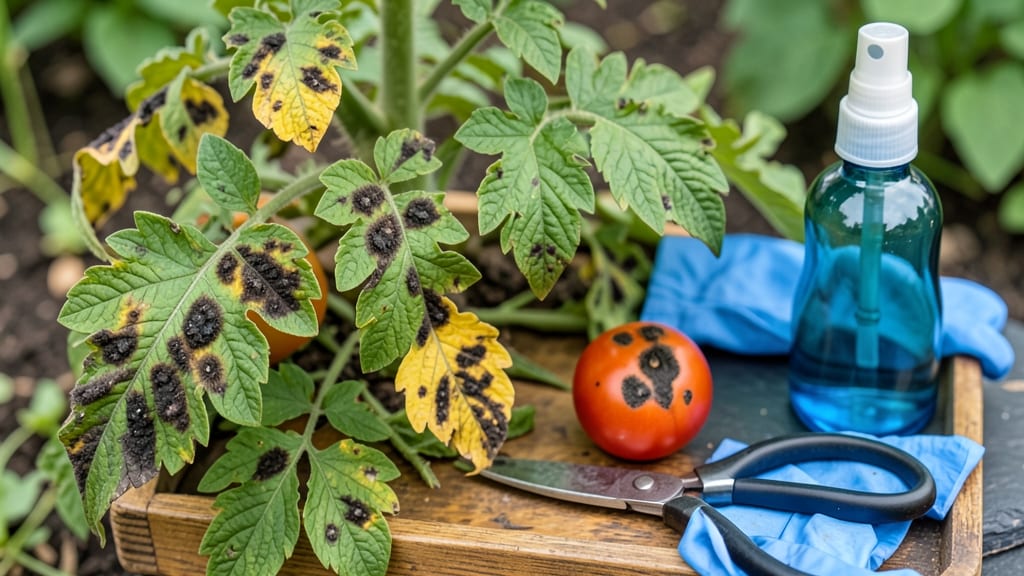
Black rot on tomato plants turns your harvest into a disappointment faster than you can say "sauce season." 🌱 The dark spots, wilting leaves, and shriveled fruit mean one thing: bacterial spot or speck is attacking your plants—and it spreads like wildfire if you don’t act fast.
Copper spray isn’t just a cure; it’s your best defense against this stubborn disease.
I’ve seen black rot ruin entire tomato crops in just two weeks, but copper spray—applied correctly—can stop it in its tracks. The key is early action: catch those tiny dark spots before they multiply, and you’ll save your plants.
Most gardeners wait too long, thinking a little rot won’t hurt. Spoiler: it does. This isn’t just about saving a few tomatoes; it’s about keeping your entire garden healthy.
You’ll spray the plants in the morning or evening (never midday), using a homemade copper solution that’s safe for edibles but deadly to bacteria. Within 7-10 days, new growth should push out clean, and the rot will slow.
The best part? This method works for both bacterial spot and speck, so you’re covered no matter which strain hits your garden.
Once the rot’s under control, focus on prevention: wider spacing, overhead watering avoidance, and removing infected leaves immediately. It’s not just about fixing what’s broken—it’s about making sure next year’s tomatoes stay spotless. Let’s get your plants back on track.
Root Causes of Tomato Leaf Decay
Black rot on tomato plants isn’t just a random bad luck scenario—it’s a microbe-driven assault triggered by specific conditions. Understanding these causes is the first step to stopping the spread and saving your harvest.
Below, we break down the key factors that turn your lush tomato plants into a disease hotspot.
The primary culprit behind black rot on tomatoes is the Xanthomonas perforans or X. vesicatoria bacteria. These pathogens thrive in warm, humid conditions and enter plants through:
- Wounds or injuries: Pruning cuts, insect bites (like aphids or hornworms), or even hail damage create entry points for bacteria.
- Water droplets: Splashing water from rain or overhead irrigation carries bacteria from contaminated soil or plant debris onto leaves.
- Contaminated tools: Pruners, stakes, or even your hands can transfer the bacteria from infected plants to healthy ones.
Fun fact: These bacteria can survive in soil and plant residue for years, waiting for the perfect moment to strike.
Black rot doesn’t just appear—it needs the right conditions to flourish. Here’s how weather contributes:
| Factor | Why It Matters | Actionable Fix |
|---|---|---|
| 🔥 High temperatures (75–95°F) | Bacteria multiply rapidly in heat, weakening plant defenses. | Use shade cloth in peak summer or opt for heat-tolerant tomato varieties. |
| 💦 Humidity (70%+) | Moisture lingers on leaves, creating a bacterial breeding ground. | Improve airflow with proper spacing (18–24" between plants) and avoid overhead watering. |
| 🌧️ Heavy rain or frequent irrigation | Splashing spreads bacteria from soil to foliage. | Water at the base (drip irrigation) and avoid wet leaves by morning. |
Even the healthiest garden can become a disease magnet if basic hygiene is ignored. Black rot spreads when:
- Infected plant debris lingers: Old leaves, stems, or even fallen fruit harbor bacteria. Pro tip: Remove and compost only if your pile reaches 140°F (hot composting kills pathogens).
- Crowded plants block airflow: Dense foliage traps moisture, slowing evaporation and extending bacterial survival.
- Contaminated soil goes unchecked: Rotating crops isn’t enough—black rot bacteria can persist in soil for up to 3 years.
💡 Quick fix: Solarize soil in late summer by covering it with clear plastic for 4–6 weeks to kill pathogens.
Healthy plants resist black rot better. Stressors that lower defenses include:
- Nutrient deficiencies: Lack of nitrogen or potassium weakens leaves, making them easier targets.
- Over/under-watering: Both extremes disrupt nutrient uptake and stress roots.
- Pest damage: Insects like spider mites or whiteflies puncture leaves, creating bacterial entry points.
🎯 Prevention tip: Feed plants with a balanced fertilizer (10-10-10) and monitor for pests before they cause damage.
Now that you know why black rot strikes, the next step is how to fight back—starting with copper-based treatments that disrupt the bacterial life cycle. Stay tuned!
How to Fix Fungal Tomato Blight
Black rot on tomato plants (often caused by Alternaria or Phytophthora) can feel like a death sentence for your harvest—but don’t panic! With the right approach, you can stop the spread, save your plants, and prevent future outbreaks.
Below, we break down practical, step-by-step solutions tailored to the root causes of fungal rot, from immediate fixes to long-term prevention.
Cause: Fungal spores thrive on decaying plant matter, spreading to healthy tomatoes like wildfire. Fix:
- 🔪 Prune infected leaves/fruit immediately—use clean, sterilized shears (rubbing alcohol works).
- 🗑️ Bag and toss infected debris in the trash (not compost)—spores can survive for years.
- 🌱 Destroy severely infected plants if >50% of the foliage is blackened. Sacrificing one plant saves the rest!
Pro Tip: 💡 Water the soil, not the leaves, to reduce moisture on foliage—fungi love dampness!
Cause: Copper is a fungicide that disrupts fungal cell walls, stopping Alternaria and Phytophthora in their tracks. Fix:
- 🛒 Buy ready-to-use copper fungicide (e.g., Bonide Copper Fungicide) or mix 1 tsp copper sulfate per gallon of water.
- 🌿 Spray thoroughly—cover both sides of leaves and stems, especially undersides where spores hide.
- 📅 Repeat every 7–10 days until new growth appears (or until rain washes it off—reapply after heavy rain).
- ⏰ Best time: Early morning or late evening to avoid burning leaves in direct sun.
⚠️ Warning: Wear gloves and avoid spraying when tomatoes are flowering (copper can harm pollinators).
Cause: Weak, stressed plants are easier targets for fungi. Strengthen defenses with these organic boosters:
- 🌱 Compost tea or fish emulsion (1 tbsp per gallon of water) for phosphorus & nitrogen—spray foliage weekly.
- 🌿 Neem oil spray (1 tsp neem oil + 1 tsp mild soap per quart of water) to smother spores (reapply every 5 days).
- 🍄 Beneficial microbes: Add Trichoderma or Bacillus subtilis to soil to outcompete harmful fungi.
Pro Tip: 🌡️ Avoid overhead watering—use drip irrigation or soaker hoses to keep leaves dry.
Cause: Overcrowding, poor airflow, and excess moisture create the perfect fungal paradise. Fix:
- 🌳 Prune for airflow—remove suckers and inner leaves to improve circulation.
- 🌞 Space plants 18–24 inches apart (or use cages/stakes to elevate foliage).
- ☀️ Maximize sunlight—fungi love shade. Aim for 6+ hours of direct sun daily.
- 💧 Water deeply but less often—soil should dry slightly between waterings.
Pro Tip: ✨ Mulch with straw (not fresh grass clippings) to reduce soil splash onto leaves.
Cause: Fungal spores linger in soil and garden tools, waiting for the next vulnerable plant. Fix:
- 🧼 Sterilize tools—wipe shears/pruners with bleach or 70% alcohol between uses.
- 🌍 Rotate crops—don’t plant tomatoes (or nightshades like peppers/eggplants) in the same spot for 3+ years.
- 🌱 Plant resistant varieties—look for ‘Heatmaster’ or ‘Mountain Merit’ tomatoes, bred to fight disease.
- 🍂 Clean up fall debris—remove all plant waste and till soil to expose spores to sunlight (UV kills them).
Pro Tip: 🎯 Test your soil pH—aim for 6.0–6.8; acidic soil (below 5.5) encourages fungal growth.
Final Reminder: 🚨 Act fast! The sooner you treat black rot, the better your chances of saving the harvest. With copper sprays, better airflow, and preventive care, your tomato plants can bounce back stronger—and next season, you’ll be fungus-free! 🍅💪
Frequently asked questions about black rot on tomato plants
What’s the difference between black rot and early blight on tomatoes?
Black rot (bacterial spot/speck) creates tiny, water-soaked dark spots that enlarge and ooze bacterial fluid, while early blight shows up as concentric brown rings on older leaves. Black rot spreads faster in wet conditions and often appears on fruit, whereas early blight targets lower leaves first.
Can I still eat tomatoes with black rot?
Only if the rot is confined to leaves and hasn’t reached the fruit. Remove infected foliage immediately, but harvest any unaffected tomatoes—just wash them thoroughly before eating. Never consume tomatoes with visible black spots or lesions.
How often should I apply copper spray for black rot?
Apply copper fungicide every 7-10 days until new growth appears or symptoms disappear. Start at the first sign of spots, and reapply after heavy rain. Morning or evening applications prevent leaf burn from sun exposure. Always wear gloves—copper can irritate skin.
Will black rot kill my tomato plants?
Not necessarily! With prompt treatment (copper spray + pruning infected areas), most plants recover fully. Severe cases may require removing entire plants to save the rest. The key is early action—waiting too long lets bacteria spread systemically, which can be fatal.
Can I use vinegar or baking soda to treat black rot?
Neither works effectively against bacterial black rot. Vinegar is too acidic and can harm plants, while baking soda helps with fungal issues (like powdery mildew) but won’t stop bacterial spread. Stick to copper-based solutions or organic bactericides like Bacillus subtilis for true bacterial control.