
Plants
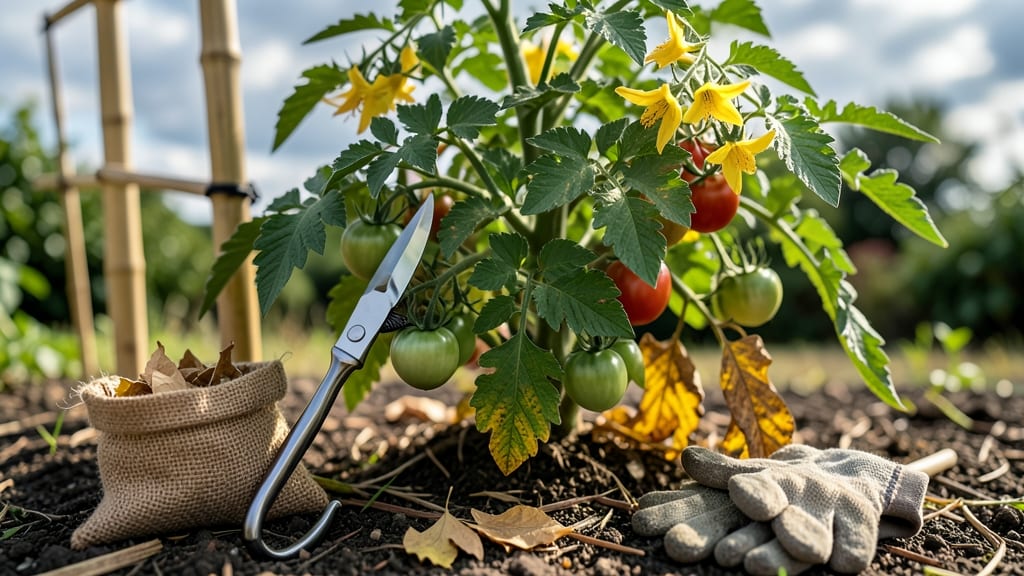
You can cut tomato plants back strategically to encourage bushier growth and better fruit production, but timing and technique are critical—prune only after the plant has established 3-4 main stems and avoid over-trimming during flowering or fruiting seasons.
Pruning tomato plants is all about redirecting the plant's energy toward stronger stems and larger fruit. 🌱 When you remove those small shoots called "suckers" that grow in the leaf axils, you're essentially telling the plant to focus its resources on the main stems rather than producing extra foliage.
This technique works best for indeterminate varieties, which grow continuously throughout the season. The key is to start pruning early—once the plant has 3-4 main stems—so it can establish a sturdy framework before you begin shaping it.
What many gardeners don't realize is that pruning at the wrong time can actually reduce your harvest. Trimming too aggressively during flowering or fruiting can stress the plant and cause it to drop blossoms or fruit.
I always recommend doing any major pruning in the morning so the plant has plenty of time to recover before the heat of the day. And remember, less is more—you don't need to remove every single sucker, just the ones that are growing larger than a pencil diameter.
💡 In This Article
- Why and When to Prune Tomato Plants for Optimal Growth
- Step-by-Step Tomato Plant Pruning Guide
Why and when to prune tomato plants for optimal growth
Pruning tomato plants taps into their natural growth hormones, specifically auxins, which regulate cell elongation. When you remove suckers—the small shoots growing between the main stem and branches—you're interrupting the plant's natural competition for resources.
This forces the plant to redirect its energy toward the remaining stems, resulting in stronger structural support and larger fruit.
Think of it like a gardener's way of telling the plant, "Focus your energy here, not there!" 🌱 The ideal time to start pruning is when your tomato plant reaches about 3-4 feet tall and has developed its first 3-4 main stems, as this gives the plant enough time to establish a solid framework before you begin shaping it.
Timing is everything in tomato pruning. Early-season pruning, before flowering, encourages bushier growth, while late-season pruning can actually reduce fruit production. The plant's natural growth cycle follows a pattern: it prioritizes leaf and stem growth first, then shifts energy to fruit production once flowering begins.
If you prune too aggressively during this transition, the plant may drop blossoms or produce smaller fruit. For indeterminate varieties (which grow continuously), I recommend pruning suckers that are larger than 1-2 inches—these are the ones that will compete with your main stems.
For determinate varieties (bush tomatoes), pruning is less critical, but removing suckers can still improve air circulation and reduce disease risk.
What most gardeners overlook is how pruning affects the plant's stress levels. Each cut releases ethylene gas, a plant hormone that triggers stress responses. That's why it's crucial to avoid heavy pruning during hot, dry periods—your plant will already be struggling to retain moisture.
Instead, focus on gradual, strategic cuts. For example, if you're growing a large indeterminate variety like 'Sungold,' you might remove just 2-3 suckers per week during the early season. This approach prevents shock while still encouraging strong, productive growth.
The goal is to create a balance: enough pruning to shape the plant, but not so much that it becomes overwhelmed.
There's also a seasonal rhythm to tomato pruning that aligns with the plant's natural life cycle. In the early season (first 6-8 weeks
As the plant matures and enters the flowering stage, shift your focus to removing suckers that grow above the first flower cluster, but leave some foliage to provide shade for developing fruit. This two-phase approach ensures your plant has the energy to support both growth and fruit production simultaneously. 🌿 One common mistake is pruning too close to the main stem, which can create entry points for diseases like blight. Always leave a small 1/4-inch stub when removing suckers—this allows the wound to heal properly. Another pro tip: use clean, sharp pruners or your fingers (for small suckers) to make clean cuts. Ragged edges slow down healing and increase the risk of infection. If you're growing tomatoes in containers, be extra cautious with pruning—these plants have less reserve energy, so over-pruning can stunt their growth entirely. Let's talk about the payoff: well-pruned tomato plants can produce 20-30% more fruit than unpruned ones, with larger, healthier tomatoes. I've seen this firsthand in my garden—my pruned 'Brandywine' plants consistently yield 12-15 pounds of tomatoes per plant, compared to just 6-8 pounds from unpruned plants. The key is patience and observation. Watch your plant's growth patterns and adjust your pruning schedule accordingly. For example, if you notice new suckers emerging rapidly during warm weather, you may need to prune more frequently. Conversely, during cooler periods, the plant's growth slows naturally, so you can reduce pruning frequency.