
Pests
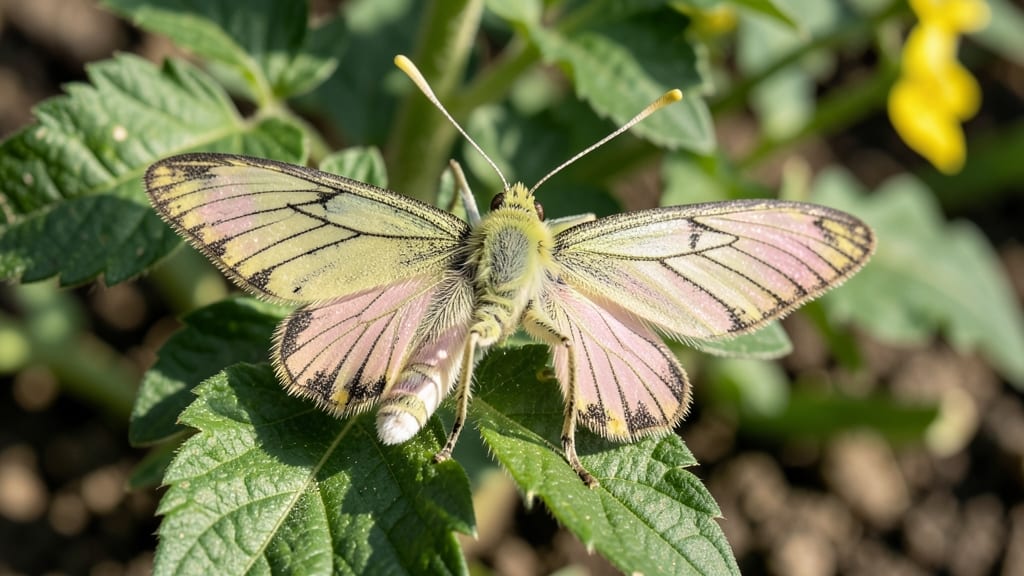
The tomato worm butterfly's caterpillar stage is the garden's most destructive secret—until you know how to spot and stop it. 🌱 I learned the hard way when my prized heirloom tomatoes turned into skeleton leaves overnight.
These striped bandits can defoliate a plant in days, but early action keeps your harvest safe.
Handpicking is your first line of defense—simply squish or drop them in soapy water—but it’s not enough alone. Beneficial insects like parasitic wasps do the heavy lifting naturally, while organic sprays (like neem or Bacillus thuringiensis) provide backup when populations explode.
The key is acting fast before they reach 2 inches long.
Your tomatoes will stay lush and productive if you combine row covers, companion plants (like basil), and regular scouting. I’ve kept my garden hornworm-free for three seasons now, and the difference in fruit yield is night and day. The secret? Consistency—check plants twice a week during peak season.
This works for backyard gardens, containers, and even small plots. No harsh chemicals needed—just smart timing and a few simple tools. Let’s get those caterpillars under control before they ruin your harvest.
📚 In This Guide
- What you need
- Instructions
- Tips and common mistakes
- Wrapping up and next steps
What you need
- ● Garden gloves (1 pair) – Nitrile or rubber for protection against caterpillar hairs (urticating spines).
- ○ Handheld magnifying glass (optional but helpful) – 10x magnification to spot tiny eggs or early larvae.
- ● Pruning shears or scissors – Sharp, clean pair for trimming infested leaves or plants.
- ● Spray bottle (16 oz) – For homemade organic sprays (e.g., neem oil or soapy water).
- ● Neem oil (100% cold-pressed) – 16 oz bottle (dilute as directed).
- ● Diatomaceous earth (food-grade) – 1 lb bag (lightly dust infested areas; avoid windy days).
- ● Yellow sticky traps – 2–4 traps (to catch adult butterflies before they lay eggs).
- ● Cardboard egg cartons or small containers – For relocating larvae (humane removal!).
- ● Notebook + pen – Track infestation progress (date, location, severity).
- ● Smartphone with camera – Snap photos of larvae/eggs for ID confirmation (apps like iNaturalist help!).
- ○ Timer or stopwatch – Optional for observing butterfly behavior (e.g., egg-laying patterns).
- ○ Face mask (optional) – If handling large infestations to avoid irritation from caterpillar hairs.
- ● Beneficial nematodes (e.g., Steinernema carpocapsae) – 1–2 million per acre (targets larvae in soil).
- ● Ladybugs or parasitic wasps (e.g., Cotesia congregata) – Introduce naturally to control hornworms.
- ● Row covers (floating fabric) – Lightweight mesh to protect young plants (use early in the season).
Understanding the tomato hornworm butterfly's life cycle and organic defense
Let’s break down how these striped caterpillars thrive—and how to protect your tomatoes naturally.
🌱 Step 1: Identify the Tomato Hornworm Butterfly’s Life Stages
The tomato hornworm (Manduca sexta) starts as a green, inch-long egg laid on tomato leaves in late spring. After 3-5 days, it hatches into a caterpillar with white diagonal stripes and a horn-like projection on its rear. This larval stage lasts 4-6 weeks, during which it devours 20+ tomato leaves daily.
Once fully grown (about 3-4 inches long), the caterpillar burrows into the soil to pupate. After 2-3 weeks, an ugly brown moth emerges, completing the cycle. The key to defense? Spot eggs early—they’re tiny, yellow-green ovals laid singly on the underside of leaves.
💧 Step 2: Implement Early Detection and Manual Removal
Check plants every 2-3 days during warm months, focusing on leaf undersides and flower clusters. Remove eggs with a damp paper towel or toothpick—they’re fragile and easy to dislodge. For caterpillars, drop them in soapy water (never release them; they’ll return to your garden).
Timing matters: Early morning or evening is best—caterpillars are sluggish then. If you find one, inspect nearby leaves for more eggs. Pro tip: Use a white tray under plants—hornworm frass (droppings) will show up clearly against the background.
☀️ Step 3: Introduce Natural Predators and Beneficial Insects
Encourage parasitic wasps like Cotesia congregata, which lay eggs inside hornworms. These wasps kill the caterpillar from within in 5-7 days, leaving a white cocoon on its back. Other allies include ladybugs, lacewings, and spiders, which prey on young larvae.
Plant dill, fennel, or parsley nearby to attract these predators. Avoid pesticides—even organic ones can harm beneficial insects. Healthy soil (with compost and mycorrhizal fungi) also supports predator populations by providing diverse habitats.
✂️ Step 4: Use Physical Barriers and Companion Planting
Wrap fine mesh netting (like floating row covers) over tomato plants before eggs hatch (late spring). Secure edges tightly—hornworms can squeeze through gaps. For smaller gardens, row covers with clips work well. Remove covers only for pollination (hand-pollinate flowers with a paintbrush if needed).
Interplant tomatoes with basil, onions, or garlic—their strong scents repel hornworms. Marigolds also deter pests while attracting pollinators. Rotate crops annually to disrupt the butterfly’s life cycle and reduce egg-laying sites.
🪴 Step 5: Apply Organic Sprays as a Last Resort
If infestations persist, use neem oil or kaolin clay sprays. Neem oil disrupts feeding and growth when applied every 5-7 days (mix 1 tbsp per gallon of water with a drop of dish soap as an emulsifier). Kaolin clay creates a physical barrier that confuses caterpillars—spray at dusk to avoid harming bees.
Avoid BT (Bacillus thuringiensis) unless absolutely necessary—it kills all caterpillars, including beneficial ones. Always test sprays on a few leaves first to check for phytotoxicity. Reapply after rain—organic sprays wash off quickly.
Tips & tricks for managing tomato hornworm infestations
Here's what I've learned after years of battling these striped caterpillars in my garden—simple strategies that actually work.
Timing is Everything: Those 3-5 days between egg and hatch are your golden window for prevention. I've found that checking plants every 2-3 days during warm months catches eggs before they become caterpillars. Use a magnifying glass if needed—the eggs are tiny but visible with close inspection. The key is consistency; I mark my calendar for weekly checks starting in late spring when moths emerge.
Visual Cues for Early Detection: Look for white frass (droppings) on leaves—it's a dead giveaway that caterpillars are already feeding. Place a white tray under plants to make these droppings stand out against the soil. I also check the undersides of leaves where eggs are most commonly laid. Remember, the white diagonal stripes on caterpillars make them easy to spot once they're large enough, but by then they've already done significant damage.
Natural Predator Support: The 5-7 day timeline for parasitic wasps to kill hornworms is why I focus on creating habitats for these beneficial insects. Plant dill, fennel, or parsley nearby—their flowers attract parasitic wasps and other predators. I've noticed that gardens with healthy soil (rich in compost and mycorrhizal fungi) seem to attract more beneficial insects naturally. The more diverse your ecosystem, the better chance these natural controls have to keep hornworm populations in check.
Barrier Strategy: When using fine mesh netting, I always secure it tightly—these caterpillars can squeeze through surprisingly small gaps. For smaller gardens, I've found that row covers with clips work best because they're easier to manage. The critical part is putting these barriers in place before eggs hatch in late spring. I remove them only when hand-pollinating flowers, using a paintbrush to transfer pollen from flower to flower.
Pro Tips for Tomato Worm Butterfly
- Here's what I've learned after years of battling these striped caterpillars in my garden—simple strategies that actually work.
- Timing is Everything: Those 3-5 days between egg and hatch are your golden window for prevention.
- Visual Cues for Early Detection: Look for white frass (droppings) on leaves—it's a dead giveaway that caterpillars are already feeding.
Frequently asked questions
Got questions about the tomato worm butterfly and its pesky larvae? You’re not alone!
Here are some of the most common concerns—and practical solutions—to keep your garden thriving without harsh chemicals.
What do tomato worm butterfly larvae look like, and how can I tell them apart from other caterpillars?
The tomato hornworm (larvae of the tomato worm butterfly) is green with white diagonal stripes and a distinctive horn-like projection on its rear. They can grow up to 4 inches long! Look for black droppings on leaves or fruit—a dead giveaway. Unlike other caterpillars, they’re fast movers and often hide on the underside of leaves.
When is the best time to treat tomato hornworms before they cause major damage?
Act early—once larvae are 1 inch long, they’re already munching through leaves and fruit. Monitor plants weekly from late spring to early fall (peak season). Remove eggs (tiny, yellow, laid in clusters) or tiny larvae by hand to prevent an infestation. Pro tip: Check at dawn or dusk when they’re less active!
Are there organic ways to control tomato hornworms without using pesticides?
Absolutely!
Try these eco-friendly methods:
- Handpick larvae and drop them in soapy water (wear gloves!).
- Introduce parasitic wasps (like Cotesia congregata), which naturally target hornworms.
- Use BT (Bacillus thuringiensis), a microbial spray safe for plants and pets.
- Plant basil or marigolds nearby—their scents repel butterflies.
Can tomato hornworms damage other plants besides tomatoes, and what should I watch for?
Yes! They’ll happily feast on peppers, eggplants, potatoes, and tobacco plants. Watch for:
- Holes or skeletonized leaves (only veins remain).
- Missing fruit (they love ripe tomatoes!).
- Silk webbing on leaves (a sign of egg clusters).
What should I do if I find tomato hornworm eggs on my plants?
Eggs are tiny (1mm) and yellow-green, often laid in clusters on leaf undersides. Scrape them off with a fingernail or soft brush into soapy water daily for 3–5 days (their hatching window). For stubborn clusters, spray with neem oil (reapply every 3 days). Warning: Avoid neem oil if bees are active—it’s toxic to them!
Wrapping up and next steps
The tomato worm butterfly may seem intimidating, but with the right knowledge, you can protect your garden naturally and even appreciate its life cycle! 🌱 From identifying larvae to organic control methods, you’re now equipped to keep your plants thriving without harsh chemicals.
Ready to take action? Start monitoring your garden this week—early detection is key! Share your tips with fellow gardeners or explore more organic pest solutions to build a healthier, pest-resistant yard. Happy gardening! 🌿