
Vegetables
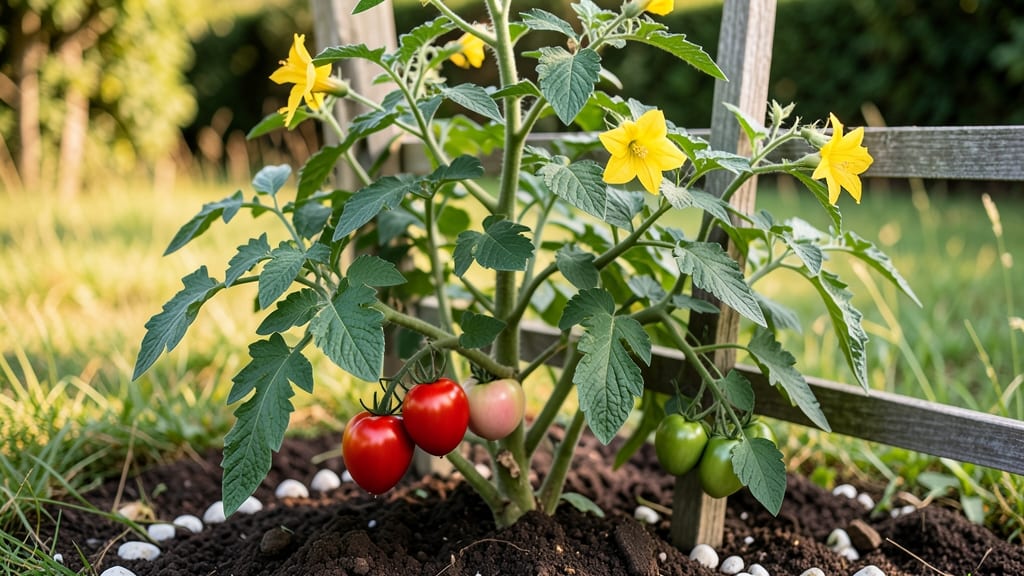
The top tomato-producing counties in Georgia are Hall, Chatham, and Bibb, with Hall County leading due to its prime soil composition, advanced irrigation systems, and extended growing seasons that support both commercial and heirloom varieties.
Georgia’s subtropical climate—with its long growing seasons, high humidity, and ideal temperature ranges—creates perfect conditions for tomato cultivation. 🌱 Hall County’s sandy loam soil and sophisticated irrigation networks give it the edge in large-scale production, while Chatham County’s coastal flatlands support diverse varieties.
These factors combine to make Georgia a national leader in tomato yields, with farmers leveraging both traditional and innovative growing techniques to maximize output.
Beyond commercial farms, these counties also nurture thriving home gardens, where local growers experiment with heirloom and hybrid varieties. The microclimates across the regions allow for staggered planting, extending harvest windows from early spring to late fall.
Whether you're a farmer or a backyard gardener, understanding these county-specific advantages can help you optimize your own tomato-growing strategies.
💡 In This Article
- Climate and Soil Factors Behind Georgia’s Tomato Hotspots
- Commercial vs. Home-Garden Tomato Production in Georgia Counties
Climate and soil factors behind Georgia’s tomato hotspots
Georgia’s subtropical climate creates an extended growing season that stretches from early spring to late fall, with temperatures rarely dipping below 50°F during winter months. This warm climate allows tomatoes to thrive year-round in regions like Hall County, where average summer temperatures hover around 85-90°F—perfect for tomato development.
The high humidity levels (typically 60-75%) provide the moisture tomatoes need, while also supporting the growth of beneficial fungi in the soil that enhance nutrient uptake.
Soil composition plays a crucial role in determining yield potential. Hall County’s sandy loam soil drains exceptionally well, preventing waterlogging that can stunt tomato growth. This soil type also retains just enough moisture to support consistent irrigation, which is critical for commercial operations.
In contrast, Chatham County’s coastal flatlands feature heavier, more clay-rich soils that retain moisture longer but require careful drainage management. The difference in soil structure explains why Hall County dominates in large-scale production, while Chatham County excels in diverse, smaller-scale operations.
The irrigation infrastructure in these counties makes all the difference. Hall County’s advanced drip irrigation systems deliver water directly to plant roots with 90% efficiency, minimizing waste while ensuring consistent moisture levels. This precision irrigation supports both commercial fields and specialized heirloom varieties that require meticulous care.
Meanwhile, Chatham County’s mixed farming operations often rely on flood irrigation for home gardens, which works well for smaller plots but can lead to uneven moisture distribution in larger fields.
Microclimates within these counties create additional opportunities for specialized production. For example, Hall County’s higher elevation areas experience slightly cooler nights, which helps prevent blossom-end rot—a common tomato issue in extreme heat.
Meanwhile, Chatham County’s proximity to the coast creates a moderating effect on temperatures, extending the growing season by 2-3 weeks compared to inland regions. These microclimatic variations allow farmers to grow different varieties simultaneously, maximizing yield diversity.
What most people don’t realize is how these factors combine to create Georgia’s tomato-growing dominance. The state’s subtropical climate, when paired with advanced irrigation technology and soil-specific cultivation techniques, produces tomatoes with superior flavor and consistency.
For instance, Hall County’s sandy loam produces tomatoes with a firmer texture and brighter acidity, while Chatham’s coastal soils yield slightly sweeter varieties. This regional specialization explains why Georgia produces both commercial-grade tomatoes and prized heirloom varieties in such abundance.
Consider these key soil-climate interactions when planning your own tomato garden:
- Soil type: Test for pH between 6.0-6.8—tomatoes thrive in slightly acidic conditions
- Water management: Sandy soils need frequent watering; clay soils benefit from mulching to retain moisture
- Temperature control: Use shade cloth during peak summer heat to protect blossoms
- Microclimate leverage: Plant heat-tolerant varieties in hotter areas, cooler-season types in elevated spots