
Light Requirements
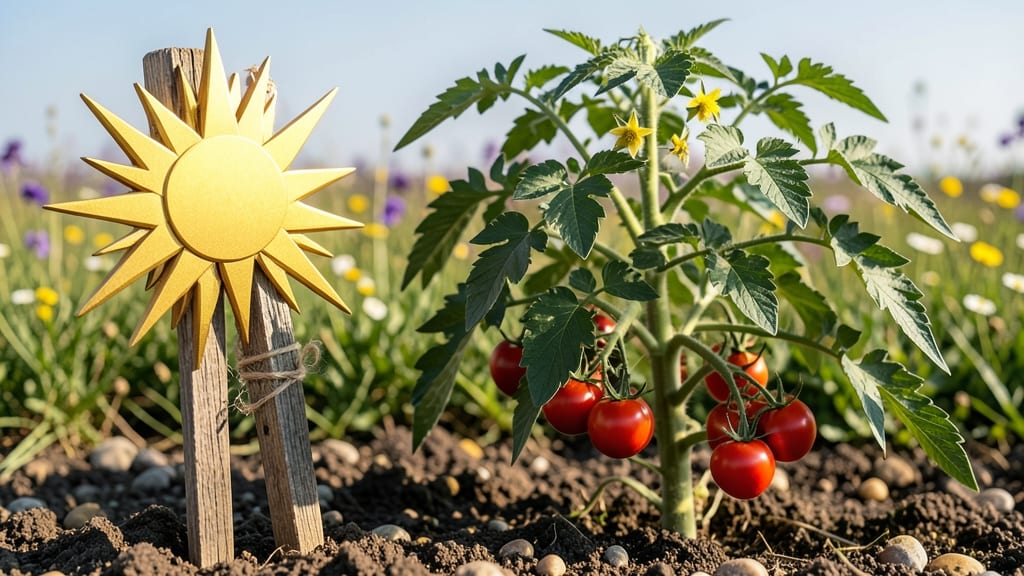
The tomato sun requirements are critical—your plants need 6-8 hours of direct sun daily to thrive and produce flavorful fruit, but getting the balance right can make or break your harvest.
Picture this: you’ve nurtured your 🍅 seedlings for weeks, only to end up with pale, leggy plants and tiny, bland tomatoes. The culprit? Too little sun—or worse, the wrong kind. Sunlight isn’t just about hours; it’s about intensity, timing, and even how your local climate plays a role.
In this guide, I’ll break down the exact sun requirements for your tomato variety, whether you’re growing in full sun, partial shade, or containers. You’ll learn how to spot signs of sun stress, adjust for heatwaves, and even tweak your garden layout for peak performance.
By the end, you’ll know exactly how much sun your tomatoes need—not just to survive, but to burst with flavor and productivity.

How many sunlight hours do tomatoes need for maximum growth?
If you've ever planted tomatoes expecting a bountiful harvest only to end up with small, pale fruits, you're not alone. The key to juicy, flavorful tomatoes lies in understanding their sunlight requirements.
Most tomato varieties thrive with 6-8+ hours of direct sunlight daily, but not all tomatoes are created equal—determinate and indeterminate types have different needs. Let's break down the science and practical tips to ensure your plants get the perfect amount of light.
Tomatoes are sun-worshippers, and their growth stages—from seedling to fruiting—demand increasing light exposure. Skimping on sunlight can lead to stunted growth, poor fruit set, and even blossom drop. Meanwhile, too much intense sun without proper care can cause leaf scorch or heat stress.
The goal is to strike a balance that maximizes photosynthesis while protecting your plants from extreme conditions.
| Tomato Type | Minimum Sunlight Hours | Ideal Sunlight Hours | Notes |
|---|---|---|---|
| Indeterminate (e.g., Sungold, Brandywine) | 6+ hours | 8-10+ hours | Needs consistent light for continuous fruiting; prone to heat stress in extreme sun. |
| Determinate (e.g., Roma, Celebrity) | 5-6 hours | 6-8 hours | Tolerates slightly less sun; produces fruit in one flush. |
| Cherry Tomatoes (e.g., Sweet 100) | 6+ hours | 8+ hours | Indeterminate types need full sun for prolific fruiting. |
| Heirloom Varieties (e.g., Black Krim) | 6+ hours | 7-9 hours | Sensitive to heat; may need afternoon shade in hot climates. |
For indeterminate tomatoes, which grow continuously and produce fruit all season, aim for 8-10 hours of sunlight. These varieties, like Sungold or Brandywine, rely on steady light to support their vigorous vines and heavy fruit loads.
In contrast, determinate tomatoes, such as Roma or Celebrity, produce fruit in one cycle and can thrive with 6-8 hours of sunlight. Their compact growth makes them slightly more adaptable to partial shade.
Seasonal adjustments are crucial, especially if you're gardening in regions with short summer days or intense afternoon sun. In northern climates, where daylight is limited, prioritize south-facing locations and use reflective mulch to maximize light exposure.
Conversely, in hot, southern climates, afternoon shade cloth can prevent leaf burn while still allowing 6-8 hours of morning sun—the sweet spot for photosynthesis.
Calculating sunlight in partial shade scenarios can be tricky. If your garden only receives 4-5 hours of direct sun, focus on determinate varieties or container-grown tomatoes, which can be moved to sunnier spots as needed.
Use a sunlight tracker (like a simple app or timer) to monitor daily exposure. Remember, dappled shade from trees can still work if the plants receive at least 50% of full sun, but avoid deep shade, which leads to leggy growth and poor fruiting.
Container gardening adds another layer of complexity. Potted tomatoes dry out faster and may need more frequent repositioning to ensure even light exposure. Place containers on rolling plant stands or near south-facing windows to rotate them daily.
If you're using a greenhouse, ensure it has clear, unobstructed glass and consider adding shade netting during peak summer hours to regulate temperature and light intensity.
Watch for visual cues that your tomatoes aren't getting enough light. Pale or yellowing leaves, weak stems, and small, misshapen fruits are red flags. On the flip side, dark brown leaf edges or wilting can signal too much sun.
Adjust your approach by pruning lower leaves to improve airflow, watering deeply in the morning, or adding shade cloth during heatwaves. With the right balance, your tomatoes will reward you with vibrant, flavorful harvests all season long.
Pro tip: Start seedlings indoors under grow lights for 12-14 hours per day to give them a head start. Once transplanted, gradually acclimate them to outdoor sunlight over 7-10 days to avoid sunburn. This hardening-off process ensures your plants are ready to soak up the sun without stress.
🌱
Best tomato varieties ranked by sunlight tolerance (and when to avoid them)
Not all tomatoes thrive under the same sun conditions—some varieties practically beg for sunlight, while others adapt to moderate light with grace. If you live in a shadier climate or have limited sun exposure, choosing the right variety can mean the difference between a bountiful harvest and disappointment.
Let’s break down the top performers based on their sunlight tolerance and where they shine (or struggle).
For full-sun lovers, varieties like Sungold cherry tomatoes and Brandywine heirlooms demand 8+ hours of direct sunlight daily to deliver their signature sweetness and productivity. These varieties are perfect for Southern climates or sunny patios but may bolt or underperform in Northern regions with shorter daylight hours.
In contrast, Roma tomatoes and Early Girl varieties tolerate 6-7 hours of sun, making them ideal for partial shade or container gardening in less sunny spots.
Tomato Sunlight Tolerance Ratings
🌱 Best for Full Sun | 🌿 Adaptable to Partial ShadeIf you’re gardening in the South, heat-tolerant varieties like Solar Fire or Heatmaster are your best bet—they handle intense sunlight and high temperatures better than most. These tomatoes can even outperform in afternoon shade if given morning sun, which helps prevent sunscald on fruits.
For Northern gardens, focus on early-maturing varieties like Stupice or Glacier, which tolerate cooler temps and shorter days while still delivering flavorful yields.
Container gardeners should prioritize compact varieties like Tiny Tim or Patio Princess, which thrive in 5-gallon pots with 6+ hours of sun. These bush tomatoes are forgiving if you can’t provide full sun all day, but they’ll still underperform with <5 hours.
For urban balconies, consider reflective surfaces like white walls or mirrors to maximize light exposure and trick your plants into thinking they’re getting more sun.
Remember, too much sun can be just as harmful as too little—especially in Southern climates. Use shade cloth (30-50%) during peak afternoon hours to protect heat-sensitive varieties like