
Light Requirements
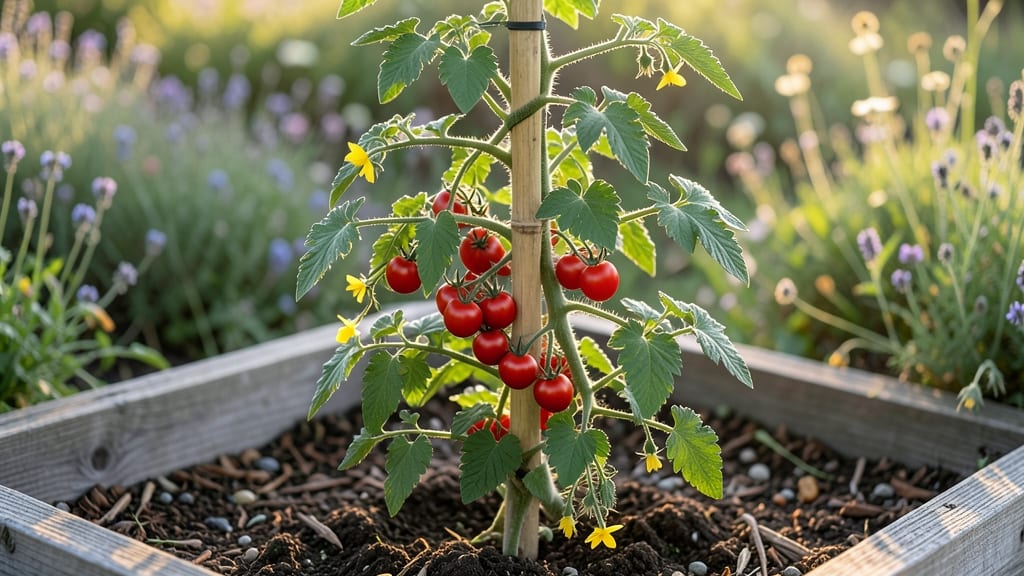
Cherry tomato sun requirements demand 6 to 8 hours of direct sun daily—that’s the non-negotiable rule for sweet, prolific harvests. 🌞 Last summer, my first batch of Sungolds produced just a handful of tiny fruits because they sat in partial shade, and I swore I’d never make that mistake again. The difference between a sun-drenched vine and a struggling one isn’t just yield—it’s flavor, too. Plants in full sun develop deeper color, richer sugars, and fewer problems with weak stems or disease.
Outdoor plants thrive in garden beds or containers placed where they’ll get morning sun and afternoon light, even if it’s not perfect south-facing. If your space only offers 4-6 hours, choose compact varieties like ‘Tiny Tim’ or ‘Sweet 100’—they tolerate less sun better than larger types.
Indoor growers need 12-16 hours of artificial light to mimic summer conditions, and LED grow bulbs are the secret weapon for keeping vines stocky and productive.
Watch for signs of light stress: leaves stretching toward the sun (leggy growth), pale yellowing between veins, or flowers that drop without setting fruit. These are your cues to move the plant or add supplemental light.
With the right sun exposure, you’ll go from a few sad tomatoes to pounds of vine-ripened sweetness—and trust me, the first bite changes everything.
Container growers have an advantage: you can adjust placement daily to follow the sun’s arc. Just avoid hot afternoons in scorching climates—mulch helps keep roots cool. Whether you’re in a backyard or a balcony, these tweaks turn “maybe it’ll grow” into guaranteed success.
Sunlight Shortfalls Explained
Understanding why cherry tomatoes struggle with sun exposure is key to fixing the problem before it stunts your harvest. Poor sunlight management often boils down to a few core issues—each with a clear scientific reason. Let’s break down the real culprits behind underperforming plants.
🌞 Why it happens: Cherry tomatoes are full-sun lovers, meaning they thrive in 6–8+ hours of direct sunlight daily.
When they don’t get enough, their cells can’t perform photosynthesis efficiently, leading to: - Weak stems (due to reduced chlorophyll production) - Smaller, paler fruit (sugars and lycopene—what gives tomatoes their red hue—aren’t synthesized properly) - Leggy growth (plants stretch toward light, wasting energy)
The science: Photosynthesis requires blue (400–500 nm) and red (600–700 nm) light wavelengths—the spectrum most abundant in direct sunlight. Shade blocks these critical rays, forcing plants into "survival mode" instead of growth mode.
🏠 Why it happens: Even if your tomatoes get some sun, obstructions (like tall buildings, trees, or fences) can cast partial shade, creating hot spots and cold shadows.
This uneven exposure causes: - Uneven ripening (some tomatoes stay green or turn blotchy) - Sunburn on exposed sides (while shaded sides stay pale) - Stress from temperature swings (direct afternoon sun can scorch leaves while shaded areas stay cool)
The science: Tomatoes need consistent light exposure across all sides. If one side gets >3 hours more sun than another, the plant prioritizes growth toward the light, leading to lopsided vines and poor fruit set.
⏳ Why it happens: Seasonal shifts—like short winter days or overcast spring/summer weather—can trick tomatoes into thinking it’s time to slow down.
This leads to: - Delayed flowering (plants wait for "optimal" light before blooming) - Blossom drop (stressed flowers abort before fruiting) - Stunted growth (cells enter dormancy prematurely)
The science: Tomatoes are short-day plants in some varieties, but most need consistent light cues to trigger flowering. <6 hours of sunlight/day disrupts phytochrome signaling (a plant hormone system that regulates growth and flowering).
🌿 Why it happens: If tomatoes are planted too close together or surrounded by tall competitors (like corn, sunflowers, or even other tomato plants), they compete for light, resulting in:
- Yellowing lower leaves (a sign of light starvation)
- Reduced fruit production (energy goes to leaf growth, not tomatoes)
- Increased disease risk (poor airflow from dense foliage)
The science: Tomatoes need 18–24 inches of space to avoid self-shading. When leaves block sunlight from lower branches, those areas stop photosynthesizing, leading to nutrient deficiencies (like magnesium or nitrogen shortages, which show as yellowing between leaf veins).
🏺 Why it happens: Even in sunny climates, poor placement can sabotage growth.
Common mistakes include: - North-facing containers (in the Northern Hemisphere, this gets minimal sun) - South-facing walls that reflect heat (can scorch leaves while blocking light at key times) - Dense mulch or dark soil (absorbs heat, making roots work harder to stay cool)
The science: Root-zone temperature affects how efficiently plants absorb sunlight. If soil stays too hot (>85°F), roots can’t uptake water and nutrients properly, leading to wilting even in full sun.
☁️ Why it happens: Prolonged overcast skies (common in Pacific Northwest or Gulf Coast summers) or early fall can drop light levels below what tomatoes need.
This causes: - Slow ripening (green tomatoes stay firm longer) - Weak cell walls (leading to blossom-end rot from uneven calcium uptake) - Early senescence (leaves turn yellow and die prematurely)
The science: Tomatoes need ~1,000–1,500 foot-candles of light (a measure of light intensity). On cloudy days, this can drop to <200 foot-candles, forcing plants into a low-energy survival state.
💡 Fixing these issues starts with monitoring light exposure (use a light meter or observe shadows at different times of day).
Adjust plant placement, prune competitors, or supplement with grow lights if natural sunlight is unreliable. Consistency is key—tomatoes won’t tolerate sudden light changes any more than they’ll thrive in sporadic sun!
Fixing Sunlight Struggles for Cherry Tomatoes
Sunlight is the lifeblood of cherry tomatoes, but even the most eager gardeners can face challenges—whether it’s too little light, scorching heat, or uneven exposure. The good news?
Most issues have simple, actionable fixes. Below, we’ll break down common problems and their solutions, so you can give your plants the perfect balance of sun and care.
Cause: Cherry tomatoes need 6–8 hours of direct sunlight daily. If your plants are leggy, pale, or producing few (if any) tomatoes, they’re likely light-deprived.
How to Fix It: 🔥 Relocate Your Plants – Move them to a sunnier spot in your garden or balcony. South-facing areas (in the Northern Hemisphere) or north-facing (in the Southern Hemisphere) are ideal. 🍳 Use Reflective Surfaces – Place white walls, mirrors, or even aluminum foil around your plants to bounce extra light onto their leaves. 👨🍳 Extend Growing Season – If natural light is scarce (e.g., early spring or late fall), supplement with a grow light (LED or fluorescent) for 12–16 hours a day.
Prevention Tips: ✅ Plan Ahead – When choosing a planting spot, observe how much sunlight it gets throughout the day. ✅ Thin Crowded Plants – Overcrowding blocks sunlight. Space cherry tomato plants 18–24 inches apart for optimal air circulation and light access. ✅ Prune Strategically – Remove lower leaves that shade the fruit but keep the upper canopy open for better light penetration.
Cause: While cherry tomatoes love sun, intense afternoon heat (especially in hot climates) can cause leaves to crisp, flowers to drop, or fruit to split.
How to Fix It: 🌿 Provide Light Shade – Use shade cloth (30–50%) during peak sun hours (11 AM–3 PM) if temperatures exceed 90°F (32°C). 🥘 Mulch to Retain Moisture – A 2–3 inch layer of mulch (straw, grass clippings, or wood chips) keeps soil cool and reduces water stress. 💧 Water Deeply & Frequently – Water early in the morning (before 10 AM) to prevent evaporation and heat stress. Aim for 1–1.5 inches of water per week.
Prevention Tips: 🌡️ Choose Heat-Tolerant Varieties – Some cherry tomatoes handle heat better, like ‘Solar Fire,’ ‘Heatmaster,’ or ‘Black Cherry.’ 🎯 Avoid Fertilizer Burns – Too much nitrogen in hot weather can stress plants. Switch to a balanced or low-nitrogen fertilizer (like 5-10-10) in summer. ✨ Use Drip Irrigation – Overhead watering can scorch leaves. Drip systems deliver water directly to roots while keeping foliage dry.
Cause: If your cherry tomato plants are growing toward one side (e.g., leaning toward a window or fence), they’re stretching for light, leading to weak stems and poor fruit production.
How to Fix It: 🔄 Rotate Plants Regularly – Every 2–3 days, gently turn pots or seedlings 1/4 turn to encourage even growth. 🏗️ Stake or Cage Properly – Use tall stakes, cages, or trellises to support plants and keep them upright for balanced sun exposure. 🌿 Trim Problematic Branches – If a branch is growing in a shady direction, prune it back to redirect energy to sun-exposed areas.
Prevention Tips: 💡 Place Near a Window (Indoors) – If growing in containers, rotate them daily near a south-facing window for even light. 🔥 Avoid Tall Obstructions – Keep plants away from fences, walls, or other structures that cast long shadows.
Cause: Cherry tomatoes struggle in temperatures below 50°F (10°C). Early spring or fall planting in cold climates can slow growth or prevent fruiting.
How to Fix It: 🔥 Use Row Covers or Cloches – Lightweight frost blankets or plastic cloches can raise soil temperature by 5–10°F (3–6°C). 🍳 Start Indoors Early – Begin seeds 6–8 weeks before the last frost, then transplant outdoors when soil is at least 60°F (15°C). 👨🍳 Warm the Soil – Bury black plastic mulch or use soil warming cables to speed up germination and growth.
Prevention Tips: ✅ Check Frost Dates – Plant after the last frost date in your zone (use the USDA Plant Hardiness Zone Map). ✅ Choose Cold-Tolerant Varieties – ‘Stupice’ or ‘Mountain Merit’ can handle cooler temps better than standard cherry tomatoes.
Final Thought: With the right adjustments, your cherry tomatoes can thrive—whether you’re battling shade, heat, or uneven light. Small tweaks in placement, watering, and support make a huge difference in harvest size and flavor. 🍅✨
Frequently asked questions
What counts as "full sun" for cherry tomatoes?
Cherry tomatoes need 6–8 hours of direct sunlight daily—that means unobstructed rays hitting the plant, not just bright indirect light. Morning sun plus afternoon light works best, but avoid spots where trees or buildings cast shadows after noon. Even 4–6 hours can work for compact varieties like ‘Tiny Tim,’ but expect smaller yields.
Can cherry tomatoes grow in partial shade?
They’ll survive in 4–6 hours of sun, but you’ll sacrifice flavor, size, and fruit production. Leaves may turn pale, stems grow weak, and tomatoes stay small or stay green longer. If shade is unavoidable, choose dwarf varieties and supplement with a grow light for 12–14 hours/day to mimic full sun.
How do I tell if my cherry tomatoes aren’t getting enough sun?
Watch for these red flags: leggy stems (stretching toward light), pale yellow leaves, and few or no flowers. Tomatoes may also stay green longer or develop a bitter taste. Check shadows at different times of day—if your plant spends more than 2 hours in shade, it’s the culprit.
What’s the best way to adjust sun exposure for container-grown cherry tomatoes?
Rotate pots every 2–3 days to ensure even growth, and place them where they get morning sun + afternoon light. Use reflective surfaces (like white walls or aluminum foil) to bounce extra light onto leaves. If natural light is weak, add a grow light 12–16 inches above the plants for 14–16 hours/day.
Do cherry tomatoes need more sun than larger tomato varieties?
Not necessarily! They’re actually more shade-tolerant than beefsteak or Roma types because their smaller size means less competition for light. However, they still need 6+ hours of sun for best flavor and yield. Varieties like ‘Sweet 100’ handle 4–6 hours better than ‘Beefmaster’ would.