
Size
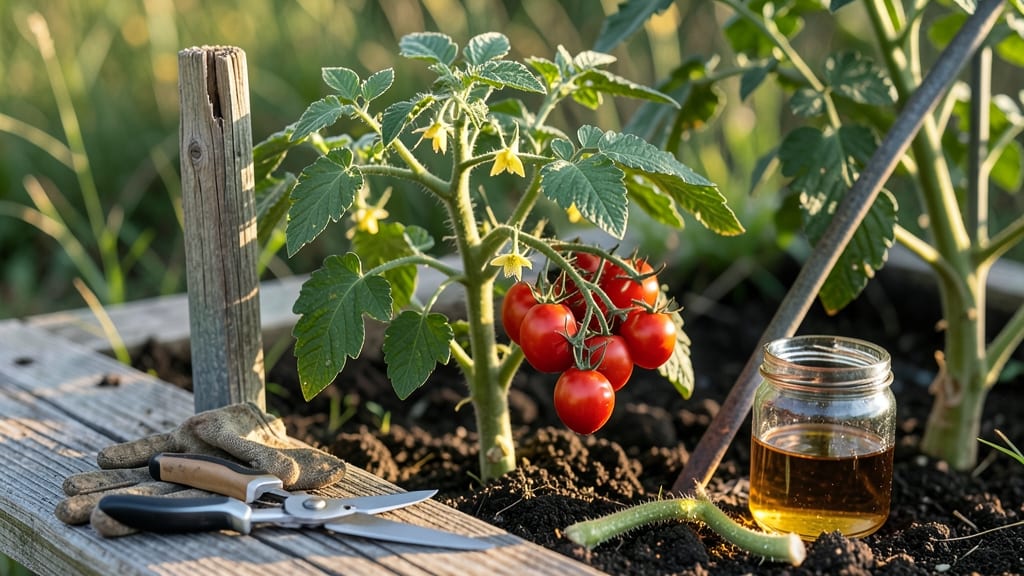
My cherry tomato plants used to sprawl like vines in a jungle—until I learned how to keep them from getting too tall with these 5 proven tricks to keep them compact and productive. 🌱 The secret isn’t just pruning; it’s timing, technique, and the right support system.
I went from struggling with unruly plants to harvesting sweet, sun-ripened tomatoes all season long without the towering mess. Start with determinate varieties—they naturally stay bushy and don’t need as much pruning.
Pair that with a strong trellis or cage (5-6 feet tall) to guide growth upward instead of outward. When you prune, focus on removing suckers (the little shoots between stems) and any leggy growth below the first flower cluster.
This keeps energy flowing to fruit production instead of endless vertical growth. By mid-summer, your plants will look like neat, bushy shrubs instead of wild vines. The best part? You’ll get more tomatoes because the plant isn’t wasting energy climbing.
Just avoid over-pruning—leave enough leaves to feed the fruit, or you’ll sacrifice yield for height control. This works for balcony containers, raised beds, or in-ground gardens. The key is consistency: prune weekly, train vines early, and watch your plants stay productive and manageable all season long.
📚 In This Guide
- What you need
- Instructions
- Tips and common mistakes
- Wrapping up and next steps
What you need
- ● Cherry tomato seedlings or seeds – Start with compact varieties like 'Tiny Tim,' 'Sweet 100,' or 'Balcony Red' (resistant to legginess).
- ● Garden stakes or tomato cages – 5-6 ft tall (for indeterminate varieties) or 3-4 ft (for determinate/dwarf types). Opt for flexible bamboo stakes or metal cages for durability.
- ● Pruning shears or sharp scissors – Bypass pruners (clean cuts) or sterilized scissors to avoid disease spread.
- ● Garden twine or soft plant ties – 3-4 ft rolls of jute or Velcro ties (gentler on stems).
- ● Balanced fertilizer – 10-10-10 or 5-10-10 NPK ratio (follow package instructions for dilution).
- ○ Mulch (optional but helpful) – Straw, wood chips, or black plastic to retain moisture and suppress weeds.
- ● Topping powder or rooting hormone – Speeds up regrowth after pruning (e.g., 'Clonex' or 'Dip ‘N Grow').
- ● Grow lights or shade cloth – If growing indoors or in hot climates (30-50% shade to prevent stretching).
- ● Copper tape or wire – For securing stakes to cages if winds are strong.
- ● Plant support clips – Adjustable plastic or metal clips to replace twine over time.
- ● Epsom salt (magnesium sulfate) – 1 tbsp per gallon of water for foliar spray (boosts plant health post-pruning).
How to keep cherry tomato plants compact and productive
Here’s the method I’ve used for years to grow bushy, productive cherry tomato plants that never get leggy or top-heavy.
🌱 Step 1: Start with Proper Spacing and Support
Plant cherry tomato seedlings 18-24 inches apart in rows spaced 2-3 feet apart. This gives them room to spread without crowding, which forces them to stretch upward. I always use cages or stakes (5-6 feet tall) at planting time—waiting until they get tall to add support leads to broken stems.
Bury the cage or stake halfway when you transplant, so the plant grows into it naturally. This prevents the stem from snapping under the weight of heavy fruit clusters. If you’re using stakes, tie the main stem loosely with soft plant ties every 12 inches as it grows.
☀️ Step 2: Manage Light Exposure Strategically
Cherry tomatoes need full sun (6-8 hours daily), but too much intense afternoon sun can cause them to grow tall and spindly. If your plants start stretching toward the light, they’re not getting enough morning sun or the evening light is too weak.
Rotate the pots or containers a quarter turn every few days so all sides get even light. If growing indoors, keep them within 4-6 inches of a grow light for 14-16 hours daily. Leggy growth is your signal to move them closer to the light source immediately.
✂️ Step 3: Prune for Bushiness, Not Just Height
Pinch off the suckers (the small shoots that grow in the leaf axils between the main stem and branches) when they’re 1-2 inches long. These suckers drain energy that could go to fruit production. I use my fingers to gently twist them off—no need for pruners.
Leave 1-2 main stems if your variety is indeterminate (like ‘Sweet 100’). For determinate types (like ‘Tiny Tim’), let them grow naturally but prune lower leaves that touch the soil to prevent disease. Always prune in the morning so wounds dry quickly and heal faster.
💧 Step 4: Water Deeply and Consistently
Inconsistent watering causes uneven growth and stress, which triggers leggy, weak stems. Water deeply 1-2 times per week (depending on heat) until 6-8 inches of soil is moist. You’ll know it’s right when water runs out the drainage holes.
Avoid wetting the leaves—water at the base to prevent fungal diseases like early blight, which weakens plants and makes them grow tall and spindly. Mulch with 2-3 inches of straw or shredded leaves to keep soil moisture even and roots cool.
🌿 Step 5: Fertilize for Strength, Not Just Fruit
Use a balanced fertilizer (10-10-10 or 5-5-5) at planting, then switch to a low-nitrogen, high-phosphorus formula (5-10-10) when flowers appear. Too much nitrogen makes plants grow tall and leafy with few fruits. I mix in 1 tablespoon of compost every 2 weeks for steady nutrients.
Watch for yellowing leaves—this is a sign of nitrogen burn or nutrient imbalance. If it happens, flush the soil with water and reduce fertilizer for a week. Healthy plants have dark green, glossy leaves and sturdy stems that don’t flop over.
Tips & tricks for compact cherry tomato growth
Here's what nobody tells you about growing sturdy, bushy cherry tomatoes that stay short and productive.
Support System Secret: In Step 1, when you bury the cage or stake halfway, go one step further and add a second stake at a 45-degree angle to the first. This creates a natural trellis effect that encourages lateral growth instead of straight-up stretching. The extra support also prevents the plant from leaning toward the sun, which is a common cause of legginess.
Light Strategy for Indoor Growers: For those growing indoors, the 14-16 hours of grow light is crucial—but placement matters just as much. Position your lights so they're 3-4 inches above the plant tops (closer than the 4-6 inches range mentioned). This creates more intense light that prevents that "reaching" behavior. Just remember to raise the lights as your plants grow to maintain this distance.
Pruning Precision: When you're pinching those 1-2 inch suckers in Step 3, focus on the ones that grow between the main stem and the first few fruit clusters. These are the most energy-draining. I also recommend leaving the top two sets of leaves on indeterminate varieties—they help shade developing fruit and encourage bushier growth lower on the plant.
Watering Wisdom: The 6-8 inches of moist soil in Step 4 is perfect, but here's the pro move: water in the early morning so the leaves have all day to dry before evening. This prevents fungal issues that can weaken stems and cause leggy growth. I also add a handful of coffee grounds to the soil every few weeks—they improve drainage while providing slow-release nitrogen without overpowering the plant.
Pro Tips for Keep Cherry Tomato Plants From Getting Too Tall
- Here's what nobody tells you about growing sturdy, bushy cherry tomatoes that stay short and productive.
- Support System Secret: In Step 1, when you bury the cage or stake halfway, go one step further and add a second stake at a 45-degree angle to the first.
- Light Strategy for Indoor Growers: For those growing indoors, the 14-16 hours of grow light is crucial—but placement matters just as much.
Frequently asked questions
How often should I prune cherry tomato plants to control height?
Prune your cherry tomato plants weekly during the growing season (spring to early fall) to keep them compact. Focus on removing suckers (side shoots) and any leggy growth. Regular pruning encourages bushier growth and more fruit production. Just avoid over-pruning—leave 3-4 main stems for sturdiness.
Can I use stakes or cages to keep cherry tomatoes short?
Yes! While stakes and cages don’t physically shorten plants, they guide growth upward, preventing sprawling. For cherry tomatoes, opt for low cages (3-4 feet tall) or floppy stakes to discourage excessive height. Pair this with pruning for best results.
When is the best time to start pruning for compact growth?
Begin pruning early—as soon as your plants are 6-12 inches tall. Remove the first few suckers (shoots in the leaf axils) to redirect energy to the main stems. Consistency is key! Prune throughout the season, but slow down after flowering to prioritize fruit development.
What if my cherry tomatoes are already too tall? Can I fix it?
Don’t panic! If your plants have grown too tall, prune aggressively but leave at least 2-3 main stems. For extra support, add a trellis or tomato harness to prevent breakage. You may lose some early fruit, but future growth will stay controlled. Mulch heavily to stabilize the base.
Are there dwarf cherry tomato varieties that stay short without pruning?
Try varieties like ‘Tiny Tim,’ ‘Tumbling Tom,’ or ‘Micro Tom’—they naturally stay 12-24 inches tall and thrive in containers. These are perfect for small spaces or balconies. Even with minimal pruning, they’ll produce abundant, compact harvests!
Wrapping up and next steps
Keeping your cherry tomato plants compact isn’t just about aesthetics—it’s about maximizing flavor, yield, and ease of care! 🌱 With the right techniques, like pruning, staking, and proper spacing, you’ll enjoy a bountiful harvest without the towering hassle. Remember: consistency is key. Start small, monitor growth, and adjust as needed.
Now that you’re armed with these tricks, grab those shears and get growing! Try one method this week and watch your plants thrive. Happy gardening—your future cherry tomato feasts will thank you! 🍅✨