
Size
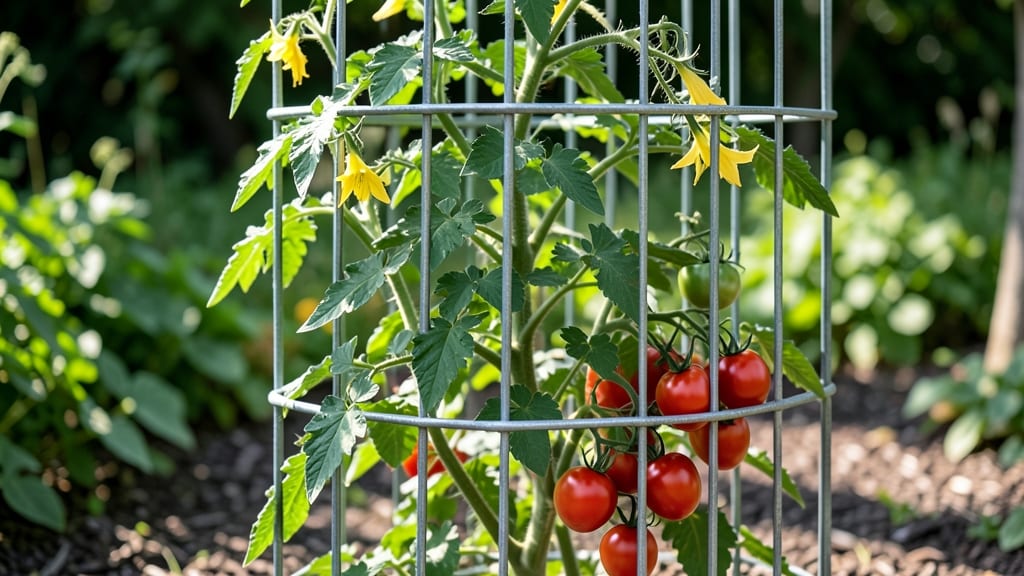
Eight-foot tomato vines need extra tall tomato cages—not flimsy wire spirals that collapse under weight. After my first indeterminate tomato nearly toppled the garden, I designed a sturdy metal frame that holds 20-pound fruit without bending.
The right support prevents disease by keeping foliage off the ground, makes harvesting effortless, and lets your plants climb to their full potential.
Start with 30-gauge galvanized steel wire (½-inch diameter) and a 36-inch square base for stability. Bend the wire into a cylinder with 12-inch diameter—wide enough for airflow but tight enough to guide vines upward.
The key is reinforced vertical supports: add two 24-inch wire stakes on opposite sides and weave them into the frame at the top. This creates a rigid lattice that won’t sag under heavy fruit loads.
You’ll end up with a durable, reusable frame that lasts 5+ seasons and supports 10+ pounds per vine. The open design reduces humidity around the foliage, cutting down on blight risk, while the height keeps ripe tomatoes within easy reach.
No more stooping or broken stems—just clean, upright growth from first bloom to last harvest.
Works for indeterminate varieties like Sungold, Cherokee Purple, and Brandywine, or even pole beans and cucumbers in the same season. For windy areas, bury the base 6 inches deep or anchor with U-shaped stakes.
The investment of $15–$25 per cage pays off in healthier plants and bigger yields—no more flopping vines or lost tomatoes.
📚 In This Guide
- What you need
- Instructions
- Tips and common mistakes
- Wrapping up and next steps
What you need
- ● Metal wire: 14-gauge galvanized steel wire (or powder-coated for durability). Total length: ~12–15 feet (adjust based on height/width).
- ● Wire cutters: Heavy-duty for clean cuts.
- ● Wire twisters or pliers: For secure twists (no knots!).
- ● Measuring tape: 10-foot tape for precision.
- ○ Staple gun (optional but helpful): To attach wire to a base (e.g., wooden stakes or a heavy-duty plastic pot).
- ● Heavy-duty gloves: Protect your hands from sharp wire ends!
- ● Wooden stakes (4–6 inches long): For anchoring the cage base (4–6 stakes per cage).
- ● Powder-coated wire: Resists rust and looks sleek (if galvanized isn’t an option).
- ● Zip ties or bungee cords: For temporary adjustments while building.
- ● Base platform: A wide plastic pot or wooden pallet to distribute weight.
Step-by-Step instructions for building extra tall tomato cages
Here’s how to craft sturdy 8-foot metal cages that will support your tallest indeterminate tomato varieties without bending or rusting.
Gather Materials and Tools
You’ll need 1/4-inch galvanized steel wire (the standard for tomato cages), 24-gauge wire for reinforcements, a hacksaw or wire cutters, heavy-duty zip ties or wire twist ties, and a measuring tape. Galvanized steel resists rust, which is critical for cages exposed to rain and humidity. I always double-check the wire gauge—thinner wire bends under the weight of ripe tomatoes.
For each cage, cut four 8-foot vertical posts and sixteen 2-foot horizontal supports. The vertical posts should be 1/4-inch diameter for maximum strength. Pre-bending the horizontal supports at 45-degree angles saves time later—just use pliers to shape them before assembly. Label your pieces to avoid mixing up parts during construction.
Assemble the Cage Frame
Start by securing the four vertical posts at the corners of a 2-foot by 2-foot square base. Use zip ties every 6 inches along the posts to hold the base together temporarily. This creates a stable foundation before adding the horizontal supports. If you’re working with a helper, one person can hold the posts while the other ties—this ensures the corners stay square.
Next, attach the first set of horizontal supports at 12-inch intervals vertically. Begin at the bottom of the cage, spacing them evenly up to 7 feet. The topmost horizontal supports should be 1 foot apart to create a sturdy canopy for the vine’s weight. Use wire twist ties at each intersection—these are stronger than plastic ties and won’t degrade in the elements.
Reinforce and Secure the Top
At the 7-foot mark, add an extra layer of 2-foot horizontal supports in an X-pattern for cross-bracing. This prevents the cage from collapsing under the weight of heavy fruit. I like to weave the 24-gauge wire through the intersections for added stability—think of it like a metal trellis. The top should flare slightly outward to guide the vine upward naturally.
Finish by securing the topmost horizontal ring at 8 feet. Leave a 6-inch gap between the top supports to allow the vine to grow through and spread. This gap also makes pruning and harvesting easier. Once assembled, give the cage a gentle shake—if it wobbles, reinforce the weak spots with additional ties or wire.
Install and Stake for Stability
Place the cage over your tomato plant as soon as the first true leaves appear—this gives the vine something to cling to early. Bury the bottom 6 inches of the vertical posts in the soil or anchor them with stakes to prevent tipping. If your soil is loose, drive a wooden stake next to each post and tie the cage to it with soft plant ties for extra support.
Train the main stem upward through the center of the cage, securing it with soft ties every 12 inches. Avoid using wire or anything that can cut into the stem—it’s a common mistake that weakens the plant. As the vine grows, weave the suckers (side shoots) through the horizontal supports to distribute weight evenly. By mid-summer, your cage will look like a metal latticework holding up a lush, productive tomato plant.
Maintain and Store for Next Season
Check the cage weekly for rust or loose ties, especially after heavy rain. Replace any rusted sections immediately—corrosion spreads quickly in damp conditions. At the end of the season, disassemble the cage, remove all ties, and store the wire in a dry place. I keep mine in a plastic bin with silica gel packets to prevent rust during winter storage.
Reassemble the cages in early spring before planting. The first year’s wear will be minimal, but after a few seasons, you may need to reinforce with additional wire or replace bent sections. With proper care, these cages will last 5-7 years, saving you money and giving your tomatoes the support they need to thrive.
Tips & tricks for sturdy tomato cage construction
Building these tall tomato cages is all about precision and smart planning—here's how to avoid common pitfalls and build cages that last.
Wire Selection Matters: While 1/4-inch galvanized steel wire is ideal, if you're working with 1/2-inch wire for extra strength, be prepared for heavier materials. The thicker wire requires more cutting power—consider using a hacksaw with a fine-tooth blade to prevent jagged edges that can cut into plant stems. For the 24-gauge reinforcement wire, buy a few extra feet—you'll use more than you think when weaving through intersections, especially if you're reinforcing multiple cages.
Assembly Efficiency: In Step 2, when attaching the horizontal supports at 12-inch intervals, I recommend marking your vertical posts with a pencil before drilling or tying. Use a tape measure and make small marks every 12 inches—this creates a visual guide that prevents uneven spacing. For the topmost supports at 1 foot apart, I find it helpful to use a small level to ensure they're perfectly horizontal before securing. This creates that crucial sturdy canopy that prevents top-heavy vines from bending the frame.
Rust Prevention Strategy: The weekly maintenance check in Step 5 is non-negotiable, but here's my extra tip: After cleaning rusted sections, apply a thin coat of clear automotive wax to the cleaned areas. This creates a protective barrier that slows future corrosion. I also recommend storing your cages with a small bag of silica gel inside the plastic bin—it absorbs moisture better than just relying on the packets that come with the bin. For cages that see heavy rain, consider adding a few extra zip ties at the base where water tends to pool.
Pro Tips for Extra Tall Tomato Cages
- Building these tall tomato cages is all about precision and smart planning—here's how to avoid common pitfalls and build cages that last.
- Wire Selection Matters: While 1/4-inch galvanized steel wire is ideal, if you're working with 1/2-inch wire for extra strength, be prepared for heavier materials.
- Assembly Efficiency: In Step 2, when attaching the horizontal supports at 12-inch intervals, I recommend marking your vertical posts with a pencil before drilling or tying.
Frequently asked questions
Got questions about extra tall tomato cages? You’re not alone—gardeners love these sturdy helpers but often wonder about setup, durability, and more. Here’s what you need to know!
When is the best time to install extra tall tomato cages?
Install your cages right after transplanting seedlings (about 2–3 weeks after sowing indoors) or when plants are 6–8 inches tall. This gives roots time to establish while the cage provides early support. Pro tip: Bury the bottom 6 inches of the cage to prevent tipping in windy conditions!
How tall should extra tall tomato cages really be?
For indeterminate varieties (like ‘Sungold’ or ‘Brandywine’), 8-foot cages are ideal—they’ll support vines that can grow 6–10 feet tall! Determinate tomatoes (like ‘Roma’) only need 5–6 feet, but taller cages won’t hurt. Bonus: Extra height = more fruit and easier harvesting!
Can I use extra tall cages for other plants besides tomatoes?
These cages work for pepper plants, cucumbers, pole beans, and even small fruit bushes like blueberries or raspberries. Just adjust pruning to avoid overcrowding. Warning: Avoid heavy vines like grapes—they may need additional staking.
How do I keep extra tall tomato cages from blowing over in wind?
Anchor cages with stakes or weights (like bricks or sandbags) at the base. For extra security, tie the top of the cage to a T-post or trellis with twine. Quick fix: Plant cages in a sheltered spot or group them together for stability.
What’s a good alternative if I don’t have extra tall cages?
Try tomato towers, wooden A-frames, or bamboo stakes for support. DIY options include repurposing metal fence panels or PVC pipes (paint them to prevent rust!). Just ensure they’re at least 6 feet tall for indeterminate varieties.
Wrapping up and next steps
Building your own extra tall tomato cages is a game-changer for gardeners with ambitious vines! With sturdy metal frames, you’ll support those towering plants while saving space and effort.
Whether you’re a seasoned gardener or just starting out, this DIY project is totally doable—and the results? Bountiful, healthy tomatoes reaching new heights! 🌱✨
Ready to transform your garden? Grab your materials, follow the steps, and watch your tomato plants thrive. Next, head to the garden and give those vines the support they deserve—your future harvest will thank you!