
Tools
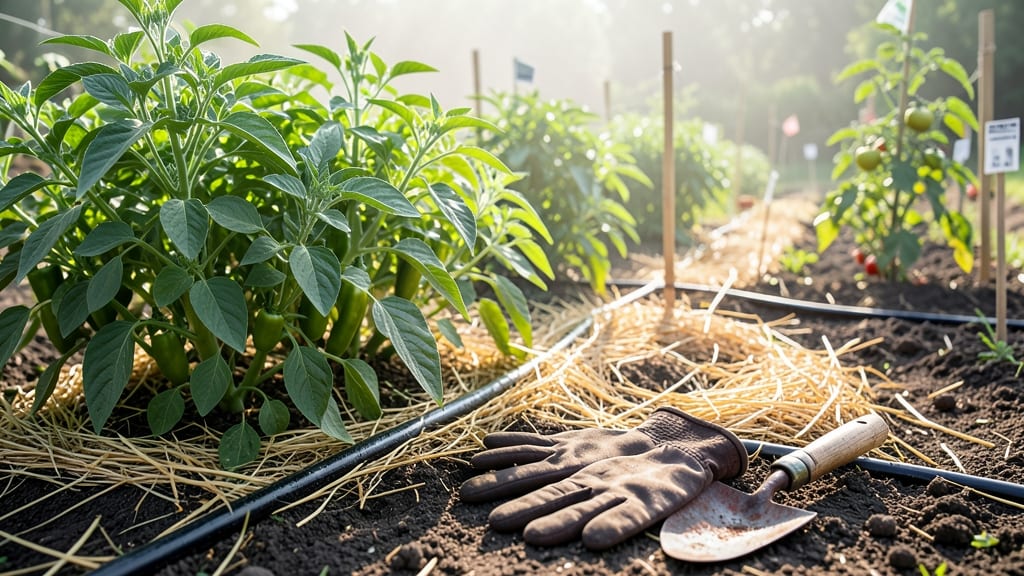
A tomato and pepper garden layout that maximizes sunlight and spacing can turn your backyard into a productivity powerhouse. 🌱 I've designed layouts that double my harvests by simply rearranging plants—no fancy tools, just smart planning that works for both beginners and seasoned gardeners.
The key is 6+ hours of direct sun and proper spacing: tomatoes need 18-24 inches apart, while peppers thrive 12-18 inches apart. Group them by sun tolerance (tomatoes love full sun; peppers tolerate partial shade) and interplant with basil or onions to deter pests naturally.
My raised bed layout fits 4 tomato plants and 6 peppers in just 4x8 feet—perfect for small spaces. By summer's peak, you'll be harvesting juicy tomatoes and spicy peppers simultaneously, with less competition for nutrients.
The plants stay healthier, produce longer, and maintenance becomes a breeze—no more crowded vines or shaded peppers struggling to ripen. For advanced gardeners, try vertical trellises for tomatoes to save space, or container clusters for patios. The same principles apply: sunlight first, then spacing. Let's get your layout sketched out!
📚 In This Guide
- What you need
- Instructions
- Tips and common mistakes
- Wrapping up and next steps
What you need
- ● Garden soil: 10–15 bags (or 1–2 cubic yards) of high-quality potting mix or garden soil amended with compost (aim for a 60/40 compost-to-soil ratio for optimal drainage and nutrients).
- ● Planting containers or garden beds: Containers: 5-gallon pots (for tomatoes) and 3–5-gallon pots (for peppers), with drainage holes. Minimum 12–18 inches deep for tomatoes, 10–12 inches deep for peppers.
- ● Garden beds: Raised beds (4’x8’ or custom size) or in-ground plots with at least 12–18 inches of loose soil.
- ● Tomato & pepper seedlings: 3–5 tomato plants (determinate or indeterminate varieties) and 3–6 pepper plants (e.g., bell, jalapeño, or habanero). Buy from a local nursery or start seeds indoors 6–8 weeks before last frost.
- ● Support structures: Tomato cages (3–4 ft tall) or stakes (6–8 ft tall) for indeterminate varieties.
- ● Trellis or small stakes (3–4 ft) for pepper plants if they grow tall.
- ● Mulch: Straw, wood chips, or black plastic mulch (1–2 inches thick) to retain moisture and suppress weeds.
- ● Fertilizer: Balanced 10-10-10 or 5-10-10 fertilizer for planting.
- ● Tomato-specific fertilizer (high in phosphorus and potassium) for flowering/fruiting stages.
- ● Hand trowel (for transplanting seedlings).
- ● Garden gloves (to protect your hands from thorns and soil).
- ○ Watering can or hose with a gentle spray nozzle (drip irrigation is optional but ideal).
- ● Pruners (for trimming suckers on tomatoes and dead leaves).
- ● Measuring tape (to ensure proper spacing—18–24 inches apart for tomatoes, 12–18 inches for peppers).
- ○ pH testing kit (optional but helpful—aim for 6.0–6.8 for tomatoes, 6.0–7.0 for peppers).
- ● Sunlight: A location with 6–8+ hours of direct sunlight daily (tomatoes are sun-hungry!).
- ● Well-draining soil: Avoid soggy spots—amend clay soil with sand or perlite if needed.
- ● Weather timing: Plant tomatoes after the last frost date (when soil is at least 60°F). Peppers thrive in warm soil (70°F+), so wait until nighttime temps stay above 55°F.
- ○ Pest prevention: Optional but recommended—row covers for early planting or neem oil for organic pest control.
Step-by-step instructions for designing a high-yield tomato and pepper garden
Here’s how to arrange your plants for maximum sunlight, airflow, and harvest potential—no guesswork involved.
☀️ Step 1: Map Your Sunlight Zones and Choose Plant Locations
Tomatoes and peppers demand 6-8 hours of direct sunlight daily, but not all spots in your garden receive equal light. Observe your space for 2-3 days to identify full sun (6+ hours), partial sun (4-6 hours), and shade areas. Mark these zones with stakes or spray paint for clarity.
Place your tallest tomato varieties (like indeterminate types) on the north side of the layout to avoid shading shorter plants. Dwarf or bush varieties can go in partial sun if you’re short on space, but expect smaller yields. Peppers tolerate slightly less light than tomatoes, so position them south or west of taller plants to catch reflected sunlight.
🪴 Step 2: Plan Spacing for Airflow and Support
Crowding invites disease and steals nutrients. Indeterminate tomatoes need 18-24 inches between plants and 36 inches between rows, while determinate tomatoes can sit 24-36 inches apart. Peppers require 18 inches between plants and 30 inches between rows—they’re compact but need elbow room to prevent blight.
If you’re using cages or stakes, plan their placement now. Tomato cages should be installed at planting to avoid disturbing roots later. For peppers, a simple stake or small cage works, but avoid overcrowding—peppers left unsupported can topple under fruit weight. Sketch your layout on graph paper, using 1 square = 1 foot, to visualize spacing before digging.
🌱 Step 3: Group Plants by Water and Nutrient Needs
Tomatoes are heavy drinkers and benefit from mulch to retain moisture, while peppers prefer consistent but moderate watering. Group tomatoes together in one section and peppers in another to simplify irrigation. This also lets you tailor fertilizers—tomatoes crave potassium-rich feed, while peppers respond better to balanced NPK during fruiting.
Leave 12-inch pathways between plant clusters for easy access. If your garden is rectangular, arrange rows in a grid pattern for efficiency. For circular or raised beds, stagger plants in a herringbone layout to maximize edge space. Avoid placing tomatoes next to peppers if you’ve had early blight issues—the same fungal spores can jump between them.
✂️ Step 4: Add Companion Plants for Pest Control and Pollination
Slip basil, marigolds, or borage between tomato and pepper plants to deter pests naturally. Basil repels thrips and whiteflies, while marigolds confuse aphids with their scent. Nasturtiums near peppers act as trap crops for aphids, drawing them away from your main plants.
Include pollinator-friendly flowers like bee balm or alyssum at the garden’s edges to attract bees—peppers are self-pollinating, but tomatoes thrive with extra help. Avoid planting fennel or dill near tomatoes, though; their strong scent can inhibit growth. Once your layout is set, take a photo of it before planting to reference later when thinning or troubleshooting.
⏰ Step 5: Finalize Planting Order for Successive Growth
Plant peppers first, as they germinate slower (20-30 days) and need a longer growing season. Tomatoes (10-14 days to sprout) can follow once peppers are established. If you’re using starter plants, harden them off for 7-10 days before transplanting into your layout to avoid shock.
After planting, water deeply at the base—1 inch per week—and monitor for even moisture. Mulch with straw or shredded leaves to suppress weeds and retain soil temperature. Adjust your layout as needed if plants outgrow their space, but resist the urge to replant; tomatoes and peppers hate root disturbance. With this setup, you’ll maximize every square foot for flavorful, disease-resistant harvests.
Tips & tricks for perfect tomato and pepper garden layouts
Here's what nobody tells you about making the most of your garden space—without sacrificing yield or health.
Sunlight Strategy: Those 6-8 hours of direct sunlight aren't just a recommendation—they're non-negotiable for tomatoes and peppers. I learned this the hard way after watching my first crop of indeterminate tomatoes struggle in "partial sun" spots. Use a simple solar tracker app to map your garden's sunlight patterns for 2-3 days before planting. The app will show you exactly where the shadows fall at different times of day, helping you place taller tomato varieties where they won't shade your peppers during critical afternoon sun hours.
Spacing Secret: The 18-24 inch spacing for indeterminate tomatoes might seem generous, but trust me on this—it's worth it. I've seen gardeners cram plants too close to save space, only to watch blight spread like wildfire. Pro tip: If you're working with limited space, consider vertical gardening. Install sturdy trellises or tomato towers that let you grow plants 3-4 feet tall while maintaining proper airflow between plants. This can effectively double your yield per square foot without compromising plant health.
Companion Planting: Basil isn't just for pesto—it's a powerhouse companion for tomatoes. The volatile oils in basil leaves naturally repel thrips and whiteflies, two of the most common tomato pests. Plant basil every 2-3 feet around your tomato plants, and you'll notice fewer pest issues throughout the season. For peppers, nasturtiums are my go-to trap crop. Their bright flowers attract aphids away from your peppers, and their peppery leaves can be used in cooking once they're established.
Planting Order: Planting peppers first might seem counterintuitive since they take longer to germinate, but this sequential approach works wonders. The extra 10-14 days it takes tomatoes to sprout gives peppers a head start in establishing their root systems before the more aggressive tomato roots compete for nutrients. This early advantage translates to stronger pepper plants that produce more fruit. Plus, you'll avoid the heartbreak of watching young pepper seedlings get shaded out by rapidly growing tomato plants.
Pro Tips for Tomato And Pepper Garden Layout
- Here's what nobody tells you about making the most of your garden space—without sacrificing yield or health.
- Sunlight Strategy: Those 6-8 hours of direct sunlight aren't just a recommendation—they're non-negotiable for tomatoes and peppers.
- Spacing Secret: The 18-24 inch spacing for indeterminate tomatoes might seem generous, but trust me on this—it's worth it.
Frequently asked questions
Got questions about designing the perfect tomato and pepper garden layout? You’re not alone! Here are answers to the most common queries to help you grow a thriving, space-efficient garden.
How close can I plant tomatoes and peppers together?
Tomatoes and peppers thrive in close proximity, but spacing matters! Place peppers 12–18 inches apart and tomatoes 18–24 inches apart in rows spaced 2–3 feet apart. This prevents crowding, improves airflow, and reduces disease risk. If using containers, ensure each plant has at least 1 gallon of soil.
When is the best time to plant tomatoes and peppers?
Timing depends on your climate! Plant peppers after the last frost when soil temps reach 60°F+ (they’re sensitive to cold). Tomatoes can handle slightly cooler soil (50°F+) but avoid frost. In warm climates, start in early spring; in cooler zones, wait until late spring or early summer.
Can I grow tomatoes and peppers together in containers?
Containers are ideal for small spaces. Use 5-gallon pots or larger for tomatoes (they’re vigorous) and 3–5 gallon pots for peppers. Place them near a sunny wall or balcony railing. Just ensure pots have drainage holes and use a high-quality potting mix with compost for nutrients.
Why are my pepper plants wilting even with enough water?
Wilted peppers often signal overwatering, root rot, or pests. Check the soil—it should be moist but not soggy. If roots look mushy, reduce watering and improve drainage. Spider mites or aphids can also stress plants. Spray with neem oil or insecticidal soap, and keep plants well-spaced for airflow.
What are good companion plants for tomatoes and peppers?
Pair them with basil, marigolds, onions, or lettuce to deter pests and boost growth. Avoid planting near fennel or brassicas (like cabbage), which can stunt their development. Interplanting (mixing rows) maximizes space and natural pest control!
Wrapping up and next steps
Creating the perfect tomato and pepper garden layout is all about balancing sunlight, spacing, and companionship—so your plants thrive and reward you with a bountiful harvest! 🌱 By following these tips, you’ll maximize growth, minimize pests, and enjoy fresh, homegrown flavors all season long.
Now that you’re armed with the know-how, it’s time to roll up your sleeves and get planting! Start small if you’re new, or expand your layout as your confidence grows. Happy gardening—your future meals will thank you! 🍅🌶️