
Light Requirements
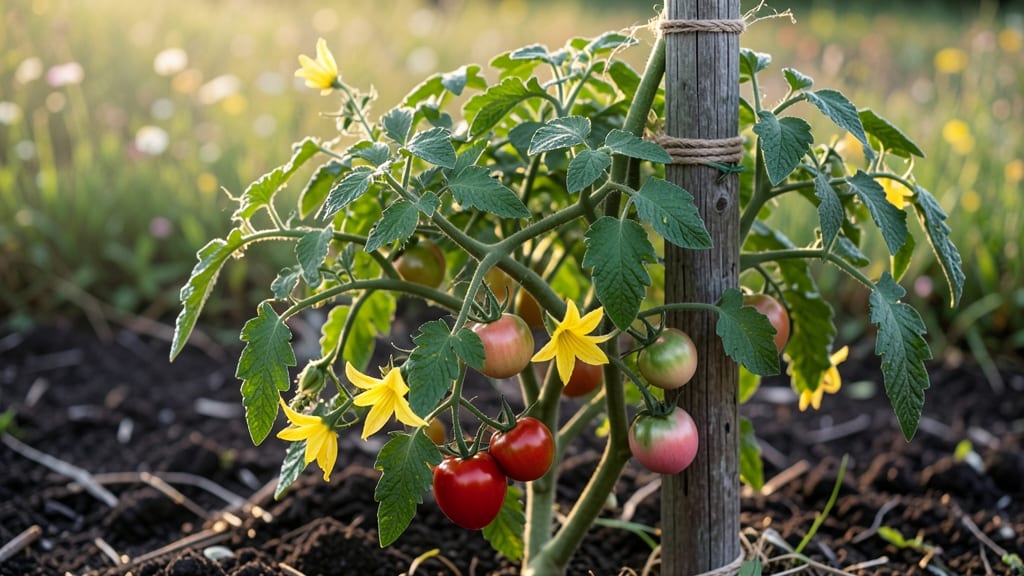
Tomato plants need direct sunlight to thrive, with 6–8 hours daily being the sweet spot for those juicy, vine-ripened tomatoes 🍅.
If you’ve ever wondered why your tomato plants aren’t producing the juicy, ripe fruit you expected, sunlight—or more precisely, lack of it—could be the culprit. But how much direct sunlight do tomato plants really need, and what happens when they don’t get enough?
Too little light leads to leggy, weak plants with poor fruit set, while too much can scorch leaves in hot climates. The key is balancing exposure based on your zone—whether you’re in USDA 6a or a sunnier region—and adjusting for shade from nearby structures or trees.
In this guide, I’ll break down the ideal light hours, spot the signs of insufficient sunlight, and share actionable tips for maximizing yield, even in less-than-perfect growing conditions.

How many hours of direct sunlight tomato plants require daily
Tomatoes are sun-worshippers, and their sunlight needs directly impact fruit production.
While most varieties thrive with 6–8+ hours of direct sunlight daily, the exact amount depends on your tomato type and climate. Indeterminate varieties (like 'Sungold' or 'Brandywine') demand the most light, while determinate types (such as 'Roma' or 'Celebrity') can tolerate slightly less—but never skimp below 6 hours.
The intensity of sunlight matters just as much as duration. Bright, direct rays fuel photosynthesis, which is critical for converting energy into sweet, flavorful tomatoes.
In cloudy or northern climates, you may need to extend exposure to 8–10 hours or use reflective surfaces (like white walls or mirrors) to bounce extra light onto plants. Even a few hours of shade can reduce yields significantly.
Here’s the breakdown of sunlight needs for different tomato types and growing conditions:
If you're in a cloudy or high-latitude region (like the Pacific Northwest or UK), aim for the higher end of the range. Morning sun (6 AM–12 PM) is ideal because it’s less intense than afternoon rays, which can scorch leaves.
In hot climates, provide afternoon shade (using shade cloth) to prevent stress, especially for varieties like 'Heatmaster' or 'Solar Fire.'
For container gardens, place pots in the sunniest spot possible—even a balcony or patio can work if it gets 6+ hours of direct light. Rotate containers weekly to ensure even growth, as plants lean toward the light.
If your space is limited, opt for dwarf or bush varieties like 'Tiny Tim' or 'Patio Princess,' which adapt better to partial shade.
Light intensity also affects fruit ripening. Tomatoes need consistent sunlight to develop flavor and color. Without enough light, fruits may stay green, become small, or develop poor taste. Leggy growth (long, weak stems) is a classic sign of insufficient light—your plants are stretching toward any available rays.
In such cases, supplement with a grow light (LED or fluorescent) for 12–14 hours daily to mimic natural sunlight.
Regional adjustments are key: In desert climates (like Arizona or Nevada), tomatoes may need partial afternoon shade to prevent sunburn, while in temperate zones (like the Midwest), full sun is non-negotiable. Always monitor your plants—if leaves turn yellow or growth stalls, they’re begging for more light.
A simple fix? Prune nearby trees or structures blocking sunlight or relocate your plants to a sunnier spot.
Pro tip: Use a sunlight tracker (like a solar-powered light meter) to measure daily exposure. Most garden centers sell affordable options, or you can use a free app like 'Sun Surveyor' to map sunlight patterns in your yard.
Knowing your microclimate (e.g., a south-facing wall traps heat and extends sunlight) can help you optimize placement for maximum tomato productivity.
Remember, tomatoes are sun-hungry but not sun-obsessed. Balance is key—too much direct light in extreme heat can stress plants, while too little leads to poor yields. Experiment with your setup, and don’t hesitate to adjust pruning or shading based on weather conditions.
With the right light, your tomato plants will reward you with bountiful, flavorful harvests all season long. 🌱☀️
Signs your tomato plants aren’t getting enough sunlight (and how to fix it)
Tomato plants thrive in full sun, but when they don’t get enough, their growth and fruit production suffer. If your plants look leggy or produce small, green tomatoes, sunlight deprivation is likely the culprit. The good news? Adjustments can often revive struggling plants before it’s too late.
One of the first signs of insufficient sunlight is yellowing leaves, especially on the lower stems. This occurs when the plant stretches toward light, creating weak stems and sparse foliage.
You might also notice poor fruit set, where flowers drop off before turning into tomatoes, or existing fruit remains small and green instead of ripening.
⚠️ callout warning
To diagnose the issue, observe your plants during the day. If they’re casting long, thin shadows or leaning toward a light source, they’re not getting enough sun. Another red flag is overcrowding, which forces plants to compete for light.
Thin out seedlings or space mature plants 18–24 inches apart to improve airflow and sunlight access.
If your garden lacks natural sunlight, try these fixes: Move potted plants to sunnier spots, use reflective surfaces (like white walls or mirrors) to bounce light onto leaves, or supplement with grow lights for 12–14 hours daily.
LED grow lights are energy-efficient and mimic sunlight well for indoor or shaded outdoor setups.
For container gardeners, choose south-facing balconies or use lightweight, reflective pots to maximize light exposure. If you’re in a high-rise apartment, consider rotating pots weekly to ensure even sunlight distribution. Even small adjustments can make a big difference in your tomato plants’ health and productivity.
Remember, prevention is key. When planting, prioritize the sunniest spot in your garden, and avoid placing tomato plants near tall structures or dense foliage. With the right light conditions, your tomato plants will reward you with vibrant growth and a bountiful harvest. 🌱