
Companion Plants
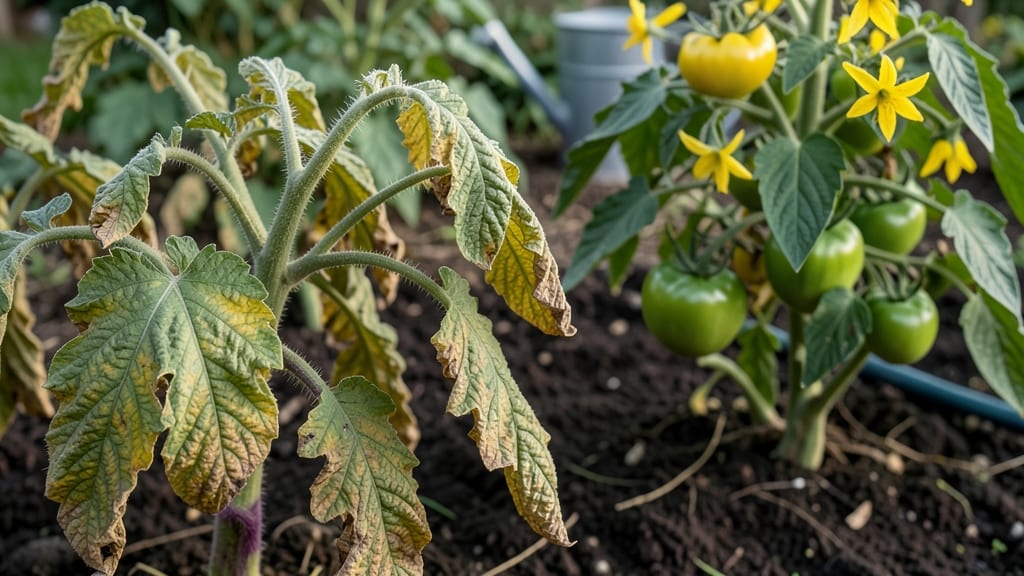
Your tomato plants wilted overnight, and panic sets in—but this isn’t always a death sentence. 🌱 The most common culprits are root rot from overwatering or fungal infections, but there’s a simple eggshell calcium fix that can bring them back.
I’ve nursed back dozens of plants using this method after ignoring the early warning signs. First, check the roots: healthy ones are firm and white, while rotten ones smell foul and turn mushy. If it’s root rot, stop watering immediately and let the soil dry out completely.
The eggshell trick adds calcium to strengthen cell walls—just crush dried eggshells into a powder and sprinkle around the base before watering lightly. You’ll see new growth within 3-5 days if the roots are salvageable.
The plants will perk up faster than you’d expect, and the calcium helps prevent future wilting. For fungal infections, prune affected leaves and apply a baking soda spray (1 tsp per quart of water) to stop the spread.
This works for both container and in-ground tomatoes, and the eggshell fix is free, organic, and foolproof. Let’s get those plants standing tall again!
Root Causes Behind Sudden Wilting
When your tomato plants wilt overnight, it’s rarely a random act of nature—it’s usually a cry for help from the roots (or something blocking them). Understanding the why behind the droop is the first step to saving your crop.
Below, we break down the most common culprits, explained in clear, actionable science so you can diagnose and act fast.
Tomatoes love moisture, but too much water—especially in stagnant soil—can drown their roots. Root rot (often caused by Phytophthora or Pythium fungi) thrives in waterlogged conditions, cutting off oxygen and suffocating roots.
Signs: - Mushy, blackened roots when pulled gently. - Yellowing leaves (not just wilting) and a foul, sour smell at the base. - Soil that stays soggy for days after watering.
Why it happens:
- Clay-heavy soil holds excess water, while compacted soil prevents drainage.
- Overzealous watering (or frequent rain) without breaks for soil to dry.
- Lack of raised beds or mounds, forcing roots to sit in water.
Actionable fix: Amend soil with perlite, sand, or compost to improve aeration, and water only when the top 1–2 inches of soil are dry.
While overwatering is the usual suspect, sudden wilting can also mean thirst. Tomatoes have shallow roots and need consistent moisture—especially in hot, dry, or windy conditions.
When soil dries out too fast: - Leaves curl inward (to conserve water). - Stems feel hollow when squeezed (a sign of severe dehydration). - Wilting is worse in the afternoon (not just overnight).
Why it happens:
- Shallow root systems in young plants or those in containers.
- Evaporative stress from high temps (above 90°F/32°C) or low humidity.
- Windburn drying leaves faster than roots can replace moisture.
Actionable fix: Water deeply in the morning (1–1.5 inches per week) and use mulch (straw or grass clippings) to retain moisture. For containers, check soil moisture daily.
If roots are physically damaged, your tomato plants can’t absorb water or nutrients, leading to overnight wilting.
Common culprits: - Cutworms (green or brown caterpillars) chewing roots at soil level. - Rats or voles gnawing through roots in garden beds. - Improper transplanting (bruised or severed roots during relocation). - Fungal infections (like Fusarium wilt) blocking water flow.
Why it happens:
- Lack of barriers (collars around young plants to deter cutworms).
- Weedy or disturbed soil attracting pests.
- Overcrowded plants competing for nutrients, weakening roots.
Actionable fix: Inspect roots for chewed edges or holes, and treat with neem oil (for pests) or copper fungicide (for wilt diseases). Use root stimulator (like mycorrhizal fungi) to encourage regrowth.
Wilting can also signal imbalanced soil chemistry. Two key issues:
- Calcium deficiency (common in acidic or sandy soils) causes blossom-end rot and weak root structure.
- Salt buildup (from tap water, fertilizers, or poor drainage) burns roots over time.
Why it happens:
- Lack of calcium (tomatoes need 2–5% calcium in soil for cell walls).
- Over-fertilizing (especially with nitrogen-heavy feeds) without flushing soil.
- Hard water (high in sodium/magnesium) left to accumulate.
Actionable fix: Test soil pH (aim for 6.0–6.8) and amend with crushed eggshells (for calcium) or gypsum (to break up salt). Use rainwater or distilled water for irrigation if salinity is high.
Fungal and bacterial pathogens can clog xylem vessels (the plant’s water pipes), causing sudden wilting even with healthy roots.
Watch for: - Southern blight (Sclerotium rolfsii): White fungal mats at the soil line. - Verticillium or Fusarium wilt: Yellowing leaves with vascular streaking (brown lines in stems). - Bacterial wilt (Ralstonia solanacearum): Wilting that spreads within hours, often in warm, humid climates.
Why it happens:
- Contaminated tools or soil from previous infected crops.
- Poor air circulation (dense plantings or no pruning).
- Warm, moist conditions (ideal for bacterial/fungal growth).
Actionable fix: Remove infected plants immediately (don’t compost them!) and disinfect tools with bleach or rubbing alcohol. Apply copper-based bactericide and space plants for airflow.
Sometimes, wilting is a reaction to external factors, not root issues:
- Frost or cold snaps damaging cell membranes overnight.
- Hail or wind damage tearing leaves/vines, causing water loss.
- Transplant shock after moving plants (even if roots look intact).
Why it happens:
- Sudden temperature drops (below 50°F/10°C) disrupt photosynthesis.
- Mechanical damage (e.g., lawnmower slicing roots) goes unnoticed until wilting appears.
Actionable fix: Mulch heavily before cold snaps, stake plants securely to prevent wind damage, and avoid transplanting during heatwaves or storms.
Believe it or not, bad neighbors can stress tomato roots. Avoid planting near:
- Fennel (releases chemicals inhibiting growth).
- Corn (competes aggressively for nutrients).
- Brassicas (cabbage family) that attract pests tomatoes share.
Why it happens:
- Alleopathic plants release toxins suppressing root growth.
- Shared pests (e.g., tomato hornworms also target basil) drain resources.
Actionable fix: Pair tomatoes with basil, marigolds, or onions (natural pest repellents) and rotate crops annually to prevent soil depletion.
💡 Pro Tip: If your plants wilt overnight but perk up in the morning, it’s likely underwatering or heat stress.
If they stay wilted even after watering, dig up a root to check for rot, pests, or disease. Act within 24–48 hours—wilting plants can recover if treated early!
How to Revive Your Wilting Tomatoes
When your tomato plants wilt overnight, it’s a cry for help—but don’t panic! The right steps can bring them back to life. Below, we’ll tackle the most common causes of sudden wilting and provide practical, step-by-step fixes to nurse your plants back to health.
We’ll also share prevention tips to keep your garden thriving long-term.
Symptoms: Soft, mushy stems, yellowing leaves, foul-smelling soil, and plants that collapse even when watered.
Step-by-Step Rescue:
- 🔥 Stop Watering Immediately
- Overwatering is the #1 cause of root rot. Let the soil dry out for 24–48 hours before taking further action.
- 👨🍳 Dig Up & Inspect the Roots - Gently remove the plant from the soil and examine the roots. Healthy roots are firm and white; rotten roots are brown, slimy, and crumbly. - If more than 30% of the roots are rotted, the plant may not recover.
If it’s salvageable, trim away the mushy roots with sterilized pruners (wipe with rubbing alcohol between cuts).
- 🧼 Disinfect & Repot (If Necessary)
- If the soil is severely diseased, replace it entirely with fresh, well-draining potting mix.
- Add 1 part perlite or sand to 3 parts soil to improve drainage.
- Pro Tip: 💡 Mix in crushed eggshells (for calcium) and a handful of compost to boost recovery.
- 🌡️ Adjust Watering Habits
- Water only when the top 1–2 inches of soil are dry. Use a moisture meter or the finger test to avoid guesswork.
- Water deeply but infrequently—aim for 1–1.5 inches per week, adjusting for rain.
- ✨ Fungal Treatment (Optional but Helpful)
- Spritz the plant (and surrounding soil) with a 1:10 hydrogen peroxide solution (3% food-grade H₂O₂) to kill fungi.
- For severe cases, use a copper fungicide (follow label instructions).
Symptoms: Leaves curling, dry soil at the surface, or plants that wilt but perk up when watered (underwatering). For overwatering, check for yellowing leaves, soggy soil, and a lack of improvement after watering.
Quick Fixes:
- Underwatered? Water slowly and deeply until it drains from the bottom. Use drip irrigation or a soaker hose to avoid runoff.
- Overwatered? Let the soil dry out, then water lightly only when needed.
Consider raising beds or adding gravel at the bottom of pots for better drainage.
Prevention Tip: 🎯 Mulch your plants with straw or wood chips to retain moisture without suffocating roots.
Symptoms: Wilting despite proper watering, chewed leaves, or sticky residue (aphids, spider mites, or fungal spots).
How to Treat:
- 🔪 Remove Infested Leaves
- Snip off heavily damaged leaves with sterilized scissors and dispose of them in a sealed bag.
- 🍳 Natural Pest Control
- Soapy water spray: Mix 1 tsp mild dish soap in 1 quart water and spray undersides of leaves.
- Neem oil: Apply 1 tbsp neem oil + 1 tsp horticultural oil per quart of water (reapply every 7–10 days).
- Companion plants: 🌿 Basil, marigolds, or nasturtiums repel pests—plant them nearby!
- 🌡️ Boost Plant Immunity
- Feed with a balanced fertilizer (10-10-10) or compost tea to strengthen recovery.
Symptoms: Sudden wilting after a hot day, frost, or windstorm, often with crispy leaf edges.
Emergency Care:
- 🥘 Shade Cloth: Cover plants with 30–50% shade cloth during extreme heat.
- 💧 Evening Watering: Water deeply at dusk to reduce evaporation.
- 🌡️ Frost Protection: If frost is expected, cover plants with blankets or row covers and remove during the day.
Prevention Tip: 🔥 Choose heat-tolerant varieties like ‘Solar Fire’ or ‘Heatmaster’ tomatoes for hot climates.
- Prune damaged foliage to redirect energy to recovery.
- Support wilting plants with stakes or cages to prevent further stress.
- Monitor daily—healthy plants should perk up within 24–48 hours of proper care.
Final Thought: Most wilted tomato plants can bounce back with the right care! Start with drainage, watering adjustments, and pest control, and your plants will be back to producing juicy tomatoes in no time. 🍅✨
Frequently asked questions
Why do tomato plants wilt overnight but recover in the morning?
This is usually a sign of underwatering or heat stress. Tomatoes have shallow roots that dry out quickly, especially in containers or hot climates. When soil moisture drops too low, leaves wilt to conserve water. If they perk up in the morning, it means the roots are still functional but need more consistent watering. Water deeply in the morning (1–1.5 inches per week) and use mulch to retain moisture.
How can I tell if my wilting tomato plants have root rot or just need water?
Check the roots and soil: Root rot means mushy, brown roots and foul-smelling soil that stays soggy for days. Healthy roots are firm and white. If the soil is dry at the surface but plants still wilt, it’s thirst. For root rot, stop watering immediately and let the soil dry out completely. For dehydration, water deeply until it drains from the bottom of containers.
Will my tomato plants recover if they’ve been wilted for 2 days?
It depends on the cause! If it’s underwatering or heat stress, they can often bounce back within 24–48 hours of proper care. For root rot or fungal infections, recovery is less likely if more than 30% of roots are damaged. Dig up a root to inspect: healthy roots are firm and white. If salvageable, trim damaged roots, repot with fresh soil, and adjust watering habits immediately.
Can I save tomato plants with fungal wilt (like Fusarium or Verticillium)?
Unfortunately, vascular wilts like Fusarium or Verticillium are usually fatal once symptoms appear. These fungi clog the plant’s water pipes, and there’s no cure. Remove infected plants immediately (don’t compost them!) and disinfect tools with rubbing alcohol. For future gardens, rotate crops and avoid planting susceptible varieties (like tomatoes) in the same spot for 3–4 years.
How often should I check my tomato plants for early wilting signs?
Inspect your plants every 2–3 days, especially after watering or extreme weather. Look for yellowing leaves, curled edges, or wilting in the afternoon—these are early warnings. For container plants, check soil moisture daily during heatwaves. Catching issues early (before overnight wilting) gives you the best chance to save your crop with simple fixes like adjusting watering or pruning.