
Companion Plants
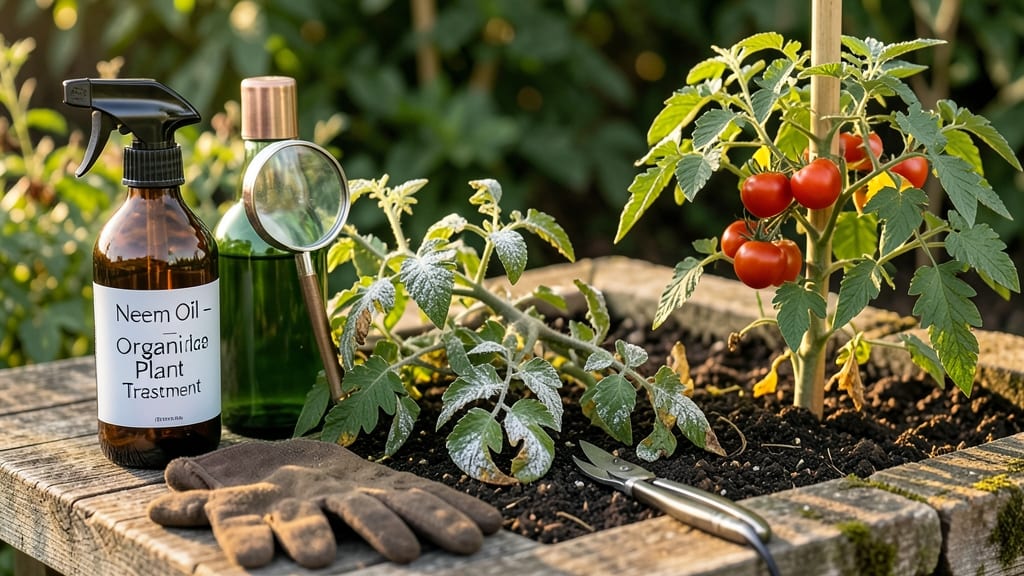
When your tomato plants turn white, it’s usually calcium deficiency—but it could also be powdery mildew or environmental stress. 🌱 I’ve seen this happen after heavy rain, poor soil prep, or even just ignoring the plants for too long.
The good news? You can fix it in 3 simple steps, whether it’s a nutrient issue or a fungal problem.
First, check the leaves: white powder? That’s mildew. Yellowing between veins? Calcium deficiency. Both need different fixes—mildew thrives in humid conditions, while calcium issues come from soil imbalances. I’ve cured both by adjusting watering, adding lime (for calcium), and improving airflow around the plants.
The fastest fix is a mix of 1 tablespoon baking soda + 1 quart water + a drop of dish soap for mildew, or crushed eggshells worked into the soil for calcium.
Reapply every 7-10 days until new growth appears. Prevention is easier: space plants properly, water at the base, and rotate crops yearly.
If the problem spreads fast or won’t go away, it might be time to call a local extension service—they can test your soil and rule out other issues. But in my experience, most white tomato plants bounce back within 2-3 weeks of the right care.
Root Causes Behind White Tomato Leaves
When your tomato plants start showing white patches or leaves, it’s often a distress signal from the plant. While some causes are obvious (like pests or disease), others—like nutrient deficiencies—can be sneaky.
Understanding the why behind these changes is the first step to saving your plants. Let’s break down the most common culprits and what they mean for your tomatoes.
If your tomato leaves are turning white, especially along the edges or between veins, calcium deficiency (also called blossom-end rot in fruits) is likely the culprit. Calcium is essential for cell wall structure, and without enough of it, new growth—like leaves and fruit—can’t develop properly.
Here’s why it happens:
- Poor soil drainage: Calcium washes out quickly in sandy or overly watered soil, leaving roots starved.
- Imbalanced pH: Soil pH below 6.0 or above 7.5 locks out calcium, even if it’s present.
- Excessive nitrogen: Too much nitrogen (common in fast-release fertilizers) crowds out calcium uptake.
- Root damage or stress: Compacted soil or root-bound plants struggle to absorb nutrients efficiently.
💡 Pro Tip: Test your soil’s calcium levels (aim for 1,000–2,000 ppm) and adjust with gypsum or crushed eggshells if needed. Calcium moves slowly in plants, so act fast!
White tomato leaves can also signal an insect infestation or fungal attack. Unlike nutrient issues, these problems spread rapidly and can kill plants if ignored.
Watch for:
- Powdery Mildew 🍄: A white, powdery coating on leaves (especially undersides) caused by fungal spores thriving in humid, shaded conditions.
- Whiteflies 🦗: Tiny white insects clustering on leaves, sucking sap and leaving a sticky residue (honeydew).
- Spider Mites 🕷️: Often mistaken for white dust, but these pests create fine webbing and speckled leaves.
- Mealybugs 🐛: Cotton-like white clusters in leaf axils, draining nutrients.
🔥 Why It Happens: Overcrowded plants, poor airflow, or weak immunity (from stress or over-fertilizing) make tomatoes vulnerable. Pests love stressed plants!
Tomatoes are sensitive to their surroundings, and sudden changes can trigger white leaves as a survival response. Common triggers include:
| Stressor | How It Causes White Leaves | Fix It |
|---|---|---|
| 🌡️ Extreme Heat | Leaves scorch or bleach out from sunburn or dehydration. | Provide afternoon shade and mulch to retain moisture. |
| ❄️ Cold Snaps | Chilling damages cell membranes, leading to white or yellow patches. | Use row covers or move pots to a sheltered spot. |
| 💧 Over/Under Watering | Root stress from soggy soil (fungus risk) or drought (nutrient lockout). | Water deeply 1–2x/week; check soil moisture 2" below the surface. |
| ☀️ Too Much Sun | Bleached or crispy white edges from excessive UV exposure. | Prune lower leaves for airflow and use shade cloth if needed. |
🌡️ Key Insight: Environmental stress often masks nutrient issues. If leaves turn white after a sudden weather change, rule out pests first—then check soil moisture and nutrients.
Next, we’ll dive into how to diagnose which cause is affecting your plants (and what to do about it). Stay tuned!
Fixing White Tomato Leaves Fast
Now that you know why your tomato plants are turning white—whether from calcium deficiency, fungal infections, or environmental stress—it’s time to take action! Below are practical, step-by-step solutions tailored to each cause, plus prevention tips to keep your plants thriving.
Let’s get those leaves back to their vibrant green in no time! 🌱💪
If your tomato leaves are curling, yellowing, or developing white patches (a classic sign of blossom end rot or calcium deficiency), follow these steps to restore balance:
🍳 Step 1: Test Your Soil
Before adding anything, check your soil’s pH and nutrient levels.
- DIY test: Use a soil pH kit (available at garden centers) or send a sample to a local extension service.
- Ideal pH for tomatoes: 6.0–6.8 (slightly acidic).
If it’s too high (alkaline), calcium becomes unavailable.
👨🍳 Step 2: Add Calcium-Rich Amendments
Tomatoes need calcium, magnesium, and potassium—but calcium is the MVP here. Try these: - Crushed eggshells: The easiest DIY fix!
Crush 1 cup of dried eggshells into a fine powder, mix into the soil, or steep in water for 24 hours to make a calcium tea. - Lime or gypsum: If your soil is alkaline, use pelletized lime (to lower pH).
For acidic soil, gypsum (calcium sulfate) adds calcium without altering pH. - Epsom salt (magnesium sulfate): Sprinkle 1 tablespoon per gallon of water every 2 weeks to prevent magnesium deficiency (which worsens calcium issues).
🥘 Step 3: Foliar Spray for Quick Relief
For immediate results, mix:
- 1 tablespoon of calcium nitrate (or 1 cup of milk—yes, really!) in 1 gallon of water.
- Spray directly on leaves (especially undersides) every 5–7 days until new growth appears.
⏰ Step 4: Mulch & Water Smartly
- Mulch with straw or grass clippings to retain moisture and prevent calcium leaching.
- Water deeply but infrequently—tomatoes hate soggy roots but need consistent moisture. Drip irrigation is best!
💡 Pro Tip: If blossoms are dropping, spray calcium solution on flowers too—this prevents blossom end rot before it starts!
White powdery spots, fuzzy growth, or white mold on leaves? You’re dealing with powdery mildew, early blight, or white mold. Act fast!
🔪 Step 1: Prune & Remove Infected Parts
- Cut off any white, yellow, or spotted leaves immediately (don’t compost them—trash them!).
- Disinfect pruners with rubbing alcohol between cuts to avoid spreading spores.
🌡️ Step 2: Improve Airflow & Light
Fungi love humidity and shade.
- Space plants 18–24 inches apart for better airflow.
- Avoid overhead watering—use a drip system or water at the base.
- Move plants to a sunnier spot if possible (tomatoes need 6–8 hours of sun/day).
🎯 Step 3: Natural & Chemical Fungicides
- Baking soda spray: Mix 1 tsp baking soda + 1 tbsp oil + 1 tsp mild soap in 1 quart of water. Spray every 7–10 days.
- Neem oil: A powerhouse antifungal.
Mix 1 tbsp neem oil + 1 tsp soap in 1 quart of water. Spray at dusk (avoid direct sun). - Copper fungicide: For severe cases, use copper-based sprays (follow label instructions).
✨ Step 4: Prevent Future Outbreaks
- Rotate crops—don’t plant tomatoes in the same spot next year.
- Use resistant varieties like ‘Mountain Merit’ or ‘Defiant PhR’ (disease-resistant hybrids).
- Apply compost tea (rich in beneficial microbes) before planting to strengthen plants.
If your tomatoes are turning white due to heat stress, nutrient burn, or herbicide drift, adjust their environment:
💡 Step 1: Shield from Harsh Elements
- Heat stress? Provide shade cloth (30–50%) during peak afternoon sun.
- Herbicide damage? Move plants at least 50 feet away from treated lawns.
- Salt burn? Flush soil with clean water to remove excess salts.
📊 Step 2: Adjust Fertilizer Use
- Too much nitrogen? Switch to a balanced fertilizer (10-10-10 or 5-5-5).
- Burned leaves? Stop fertilizing for 2 weeks, then resume with half-strength solution.
🥗 Step 3: Boost Plant Resilience
- Compost top-dressing: Add 1–2 inches of compost around the base (but not touching stems).
- Mulch heavily: Use straw or wood chips to regulate soil temperature.
- Avoid late-season fertilizing: Focus on water and support (like cages) instead.
Once your tomatoes recover, keep them healthy long-term with these habits: ✅ Start with healthy seedlings—buy from reputable nurseries or grow from disease-resistant seeds. ✅ Soil prep is key—amend with compost, worm castings, and crushed eggshells before planting. ✅ Monitor regularly—check undersides of leaves weekly for early signs of pests/disease. ✅ Companion planting—grow basil, marigolds, or garlic nearby to deter pests and improve growth. ✅ Harvest promptly—ripe tomatoes attract fewer pests and reduce stress on the plant.
Final Thought: Most white tomato issues are fixable—just act quickly and give your plants the right care. With these steps, you’ll be back to plump, red tomatoes in no time! 🍅🔥
Frequently asked questions
Why do tomato leaves turn white first on the undersides?
Undersides are often the first to show white because fungal spores like powdery mildew thrive in the humid, shaded environment there. Poor airflow and trapped moisture create perfect conditions for fungal growth. Check for a powdery coating—if it wipes off like chalk, you’ve got mildew.
Can I still eat tomatoes if the leaves turn white?
Yes, but only if the white is from calcium deficiency (not fungal disease). If leaves have powdery mildew, wash tomatoes thoroughly before eating. For calcium issues, the fruit itself is usually safe—just focus on fixing the leaves to prevent blossom-end rot in future tomatoes.
How quickly can I expect to see improvement after treatment?
With proper care, you’ll see new green growth within 7-14 days. For calcium deficiency, it may take longer (up to 3-4 weeks) since calcium moves slowly in plants. Fungal issues often show improvement within 5-7 days of treatment if caught early.
Will my tomato plants recover if most leaves are already white?
It depends! If it’s calcium deficiency, the plant can recover with proper amendments. For fungal infections, severe cases may require removing heavily affected leaves. Prune back to healthy green growth and focus on improving airflow—many plants bounce back surprisingly well with consistent care.
Can I use milk to fix white tomato leaves?
Yes! Milk contains calcium and natural fungicides that work well for both deficiency and mild fungal issues. Mix 1 part milk to 10 parts water and spray on leaves every 7-10 days. It’s especially effective for powdery mildew—just don’t use it if your leaves are already severely damaged.