
Pests and Diseases
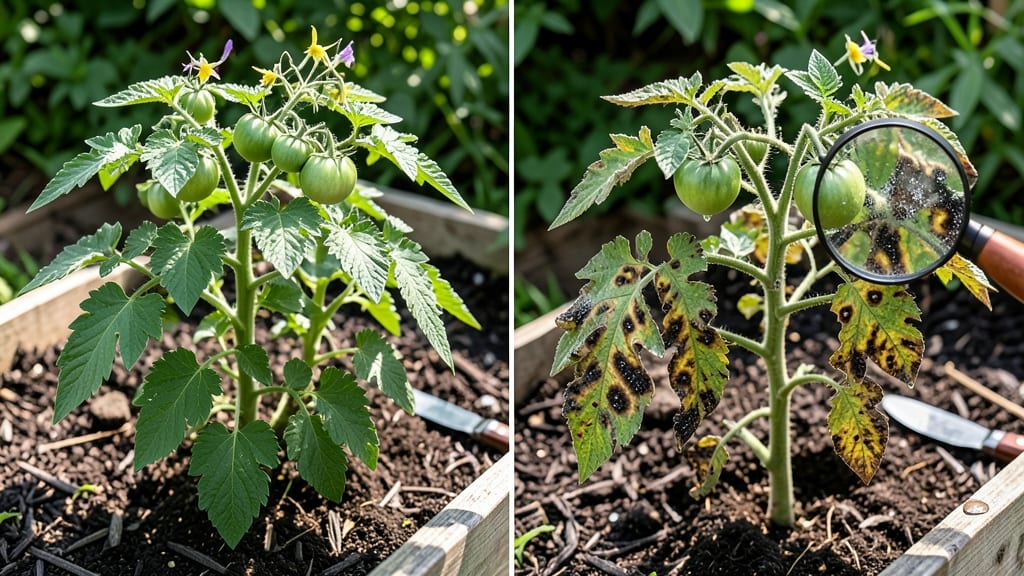
Tomato fungal diseases like blight can turn your lush plants into crispy wrecks overnight. 🌱 I’ve watched entire harvests vanish in days—until I discovered these preventative sprays that stop fungal spores before they even get a foothold.
The key isn’t just treating symptoms; it’s creating an environment where fungi can’t thrive in the first place.
Most gardeners reach for chemical sprays too late, when the damage is done. Instead, I focus on copper-based fungicides, neem oil, and baking soda mixes—all of which disrupt fungal growth without harming your plants or the soil.
These sprays work best when applied every 7-10 days during humid weather, and they’re safe enough to use right up until harvest. The secret? Consistency.
By the time you spot those telltale brown spots or white powder on leaves, it’s already too late for quick fixes. But with these sprays, your tomatoes stay vibrant green, productive, and free of blight all season long.
The payoff? Bigger yields, fewer losses, and the satisfaction of outsmarting nature’s worst pests.
Works for early blight, late blight, and powdery mildew—the three most common tomato fungal diseases. No more panicked late-night searches for cures. Here’s how to build your fail-safe prevention plan before the first spore lands on your plants.
Root Causes Of Tomato Fungal Spread
Tomato fungal diseases like early blight, late blight, and powdery mildew don’t just appear out of nowhere—they thrive because of specific conditions in your garden or greenhouse. Understanding these triggers is the first step to stopping them before they ruin your harvest. Here’s why these fungal foes keep coming back.
Fungi love dampness—it’s how they grow and spread. When tomato plants sit in soggy soil or get drenched by overhead watering, spores germinate and infect leaves, stems, and fruit. Here’s why moisture is such a problem:
- Prolonged leaf wetness: Fungal spores need just 4–6 hours of moisture on leaves to infect your plants. Rain, dew, or misting from sprinklers creates the perfect breeding ground.
- Compacted or waterlogged soil: Poor drainage traps excess moisture at the roots, weakening plants and making them more susceptible to stress-related infections.
- High humidity: Greenhouses, shaded areas, or dense plantings trap humidity, giving fungi a constant food source.
Actionable fix: Water at the base in the morning (not evening) and improve soil drainage with compost or sand. Space plants for airflow—fungi can’t survive without moisture!
Fungal diseases often strike when temperatures are just right—not too hot, not too cold, but in that cozy middle range where spores multiply fastest. Here’s the science:
| Disease | Ideal Temp Range | Why It Matters |
|---|---|---|
| Early Blight | 60–85°F (15–29°C) | Cool nights and warm days create condensation, while high temps speed up spore release. |
| Late Blight | 50–77°F (10–25°C) | Thrives in cooler, wet conditions—perfect for late-season outbreaks. |
| Powdery Mildew | 60–80°F (15–27°C) | Loves moderate warmth with high humidity; drought stress can trigger it too. |
Actionable fix: Monitor weather forecasts and adjust watering when temps drop. Use row covers for early-season protection if frost is in the forecast.
Healthy tomatoes resist fungal attacks, but stress from poor nutrition, overcrowding, or injury opens the door. Here’s how it happens:
- Nitrogen deficiency: Yellowing leaves (chlorosis) weaken the plant’s defenses, making it easier for fungi to latch on.
- Over-fertilization (especially phosphorus): Too much P can promote lush foliage but reduce disease resistance.
- Physical damage: Pruning wounds, hail, or insect bites create entry points for spores.
- Overcrowding: Poor airflow traps moisture and blocks sunlight, creating fungal hotspots.
Actionable fix: Test soil pH (aim for 6.0–6.8) and balance nutrients with a slow-release fertilizer. Prune plants carefully and space them 18–24 inches apart.
Fungal spores are sneaky—they hitchhike on tools, seeds, and even old plant debris. Here’s how contamination spreads:
- Reused tools: Pruners, trellises, or stakes can carry spores from infected plants to healthy ones.
- Infested soil: Old crop residues (especially from last year’s tomatoes) harbor overwintering spores.
- Seedborne diseases: Some fungal pathogens live on seed coatings and infect seedlings.
Actionable fix: Sterilize tools with 70% alcohol or bleach water (1 part bleach to 9 parts water). Rotate crops and remove all plant debris after harvest.
Some garden pests don’t just damage tomatoes—they spread fungal diseases. For example:
- Aphids & whiteflies: Excrete honeydew, a sugary substance that feeds sooty mold fungi.
- Slugs & snails: Create wounds on leaves while feeding, giving spores a foothold.
- Cucumber beetles: Transmit bacterial wilt, which weakens plants and makes them vulnerable to secondary fungal infections.
Actionable fix: Use row covers to block pests early, apply neem oil, or introduce beneficial insects like ladybugs.
How to Fix Fungal Issues Fast
Fungal diseases can turn your thriving tomato plants into a sad, spotted mess—but don’t panic! With the right approach, you can reverse damage, protect your crop, and prevent future outbreaks. Below, we break down targeted solutions based on the most common fungal culprits, from early-stage blight to powdery mildew.
Each fix includes quick action steps and long-term prevention to keep your tomatoes healthy and productive.
Cause: Alternaria solani thrives in warm, humid conditions, causing concentric rings on lower leaves.
Fix It Now:
- Remove infected foliage 🔪—Snip off yellow/brown leaves immediately and dispose of them in the trash (not compost!). This stops spores from spreading.
- Apply a copper fungicide spray 💧—Mix 1 tbsp baking soda + 1 tsp neem oil + 1 tsp liquid soap per gallon of water and spray under leaves (where spores hide). Reapply every 7–10 days for 2–3 weeks.
- Space plants wider 🌱—Crowding traps moisture. Thin seedlings to 18–24 inches apart for better airflow.
Prevent It Next Season: ✅ Rotate crops—Never plant tomatoes, potatoes, or peppers in the same spot for 3+ years. ✅ Mulch with straw 🌾—Keeps soil moist (but not soggy) and reduces spore splash from soil. ✅ Water at the base ⏰—Avoid overhead watering (especially in the evening). Use drip irrigation or soaker hoses.
Cause: Phytophthora infestans spreads rapidly in cool, wet weather, turning leaves black and mushy.
Fix It ASAP:
- Prune aggressively 🌿—Cut off all infected leaves (even if just a few spots appear). Burn or trash them—do not compost.
- Spray with a commercial fungicide 🛡️—Use chlorothalonil (Daconil) or fixed copper (like Copper Soap). Follow label rates and reapply every 5–7 days.
- Improve drainage 💦—Raise beds or add sand/compost to heavy clay soil. Water only in the morning so foliage dries fast.
- Isolate infected plants 🚫—Move them far from healthy plants (even 10 feet away) to prevent airborne spores.
Prevent Future Outbreaks: 💡 Choose resistant varieties—Look for ‘Mountain Merit,’ ‘Defiant,’ or ‘Crusader’ (bred to fight late blight). 💡 Remove tomato debris 🧹—Clean up all plant material after harvest to eliminate overwintering spores. 💡 Avoid nighttime watering ⏰—Wet leaves at night = fungal buffet.
Cause: Oidium or Leveillula fungi coat leaves in white powder, weakening plants and reducing yield.
Fix It Today:
- Wipe leaves with a neem oil solution 🧼—Mix 1 tsp neem oil + 1 tsp baking soda + 1 tsp soap per quart of water. Spray both sides of leaves and repeat every 5–7 days.
- Boost airflow 🌬️—Stake or cage plants to prevent touching, and prune inner leaves to improve circulation.
- Reflective mulch hack 🌈—Lay white plastic or aluminum foil under plants to confuse spores and reduce humidity near soil.
Prevent It Long-Term: ✨ Plant mildew-resistant varieties—Try ‘Solar Fire,’ ‘Super Sauce,’ or ‘Moneymaker.’ ✨ Avoid nitrogen-heavy fertilizers 🚫💪—Too much nitrogen = soft, mildew-loving growth. Use balanced (10-10-10) or low-N fertilizer. ✨ Spray with milk! 🥛—Yes, 1 part milk to 9 parts water (spray weekly) disrupts fungal spores.
| Problem | Quick Fix | Prevention |
|---|---|---|
| Overwatering | Let soil dry 1 inch deep before watering. | Use moisture meters or stick your finger in! |
| Poor airflow | Prune inner leaves, space plants. | Trellis tomatoes to keep foliage off the ground. |
| High humidity | Use fan for 1–2 hours/day. | Morning watering only (leaves dry by night). |
| Old mulch | Replace with fresh straw or grass clippings. | Solarize soil (cover with clear plastic for 4–6 weeks in summer) to kill spores. |
💡 Pro Tip: Copper is your best friend—It’s organic, effective, and safe for edibles. Rotate between copper fungicide, neem oil, and baking soda sprays to prevent resistance.
⚠️ Warning: If 50%+ of leaves are infected, it may be too late to save the plant. Pull it immediately to protect the rest of your garden!
By acting fast and smart, you can save your tomatoes and enjoy a bountiful, disease-free harvest. Next up: DIY Spray Recipes to keep those fungal invaders at bay! 🍅✨
Frequently asked questions
What’s the first sign of tomato fungal disease I should watch for?
Look for tiny brown spots with concentric rings (early blight) or white powdery patches on leaves (mildew). Late blight shows up as dark, greasy-looking lesions that spread quickly. Check the lower leaves first—that’s where fungal spores land and multiply.
Can I still eat tomatoes if they have fungal spots?
Only if the spots are small and on the surface of ripe fruit. Wash thoroughly before eating. But if you see soft, mushy rot (like late blight) or powdery mildew on the fruit itself, toss it—fungal spores can survive washing and may be toxic. Always prioritize prevention!
How often should I spray preventative fungicides?
Apply every 7–10 days during humid weather or after rain. For organic sprays (like neem oil or baking soda), do it in the morning so leaves dry quickly. If using copper-based sprays, follow label instructions—some require weekly applications during peak fungal season. Consistency is key!
Will fungicides harm bees or beneficial insects?
Most organic options (neem oil, baking soda, copper) are bee-safe when applied after sunset or early morning when bees aren’t active. Avoid synthetic fungicides like chlorothalonil during bloom times. Always spray under leaves (where spores hide) to minimize exposure to pollinators.
What’s the best way to sterilize garden tools to prevent spreading spores?
Wipe tools with 70% rubbing alcohol or soak in a 1:9 bleach-water mix (1 part bleach, 9 parts water) for 5 minutes. Rinse and dry completely. For wooden stakes or trellises, scrub with a vinegar-water solution (1:1 ratio) and let air-dry in the sun. Sterilize after every use on infected plants!