
How To
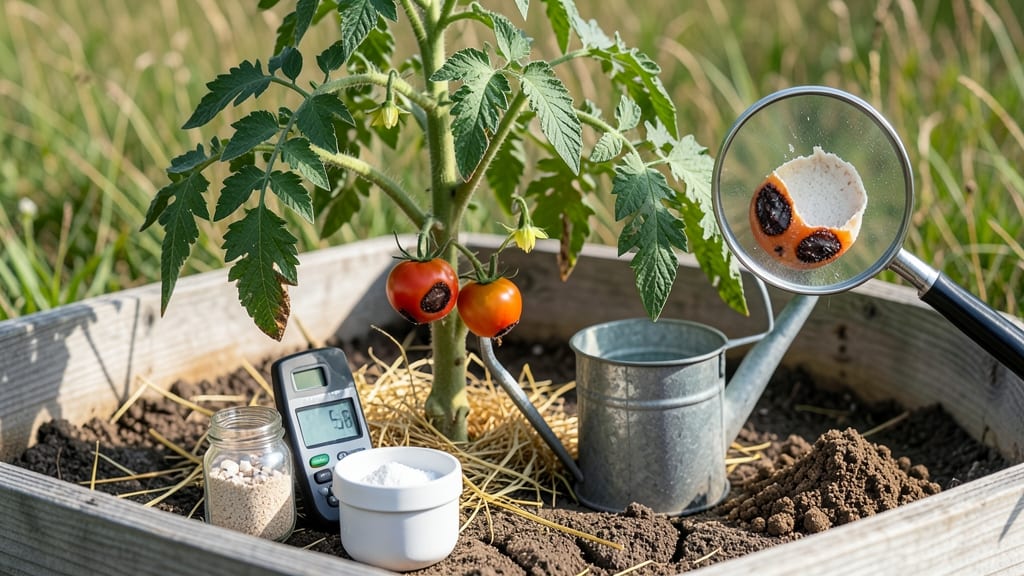
Your tomatoes are developing those telltale black bottoms, and the harvest you dreamed of is turning to disappointment—but there’s a tomato blossom end rot remedy that can save your plants in just days. The key isn’t just adding calcium; it’s doing it the right way so the fix sticks.
This isn't about expensive treatments or complicated science. Most cases happen because soil calcium levels drop suddenly, often from inconsistent watering or over-fertilizing with nitrogen. My plants went from wilted to thriving in just 5-7 days after I switched to a daily watering routine with a calcium-rich solution.
No fancy tools needed—just a spray bottle and some basic ingredients.
By the end of this, you'll have a foolproof remedy that stops new rot from forming and heals existing damage. The best part? You'll prevent it from coming back next season with simple soil adjustments.
Imagine slicing into perfectly firm, rot-free tomatoes straight from your garden—no more tossing out spoiled fruit.
Whether you're dealing with a sudden outbreak or want to prevent future problems, this method works for container gardens, raised beds, and in-ground plots alike. Let's get those tomatoes back on track before the next harvest slips away.
Root Causes Of Blossom End Rot
When your tomatoes start showing those unsightly dark, sunken spots at the blossom end, it’s not just a cosmetic issue—it’s a cry for help from your plants. Tomato blossom end rot is primarily a calcium deficiency, but it’s rarely about the soil lacking calcium outright.
Instead, it’s a complex interplay of environmental stress and nutrient uptake issues. Let’s break down the real culprits behind this frustrating problem.
Watering is the #1 trigger for blossom end rot, and the science behind it is fascinating. Calcium moves into your tomato fruits via the plant’s transpiration stream—the process where water evaporates from leaves, pulling dissolved nutrients along. Here’s how inconsistent watering disrupts this:
- Fluctuating moisture levels: When soil dries out, roots struggle to absorb water and nutrients efficiently. This causes a temporary calcium shortage in fast-growing fruit, even if the soil has plenty of calcium.
- Root zone stress: Shallow or erratic watering leads to uneven root development. Roots near the surface can’t access deeper calcium reserves, leaving the blossom end vulnerable.
- Rapid fruit growth: Tomatoes grow quickly after flowering. If water (and thus calcium) isn’t consistently delivered, the plant prioritizes other functions, starving the fruit.
Actionable fix: Aim for 1–1.5 inches of water per week, delivered deeply and consistently. Use drip irrigation or soaker hoses to keep moisture levels stable at the root zone.
Tomatoes are heat-lovers, but intense heat (above 90°F/32°C) or sudden temperature drops throw their nutrient uptake into chaos. Here’s why:
- Transpiration slowdown: High heat causes stomata (leaf pores) to close to prevent water loss, reducing the plant’s ability to pull calcium upward.
- Root activity decline: Soil temperatures above 95°F (35°C) can damage root cells, impairing their ability to absorb calcium.
- Cold stress: Nighttime temps below 50°F (10°C) slow root function, creating a calcium transport bottleneck.
Actionable fix:
- Provide afternoon shade during heatwaves (use shade cloth or row covers).
- Mulch heavily to keep soil temps stable (straw or black plastic works well).
- Avoid planting tomatoes in full sun without shade options in hot climates.
Calcium is most available to plants when soil pH is between 6.0 and 7.0. Outside this range, the plant can’t access it—even if it’s there. Here’s how pH affects calcium uptake:
| pH Level | Calcium Availability | Result |
|---|---|---|
| < 6.0 (Acidic) | ↓ Low | Calcium binds to soil particles; roots can’t absorb enough. |
| 6.0–7.0 (Ideal) | ✅ Optimal | Calcium is soluble and readily available. |
| > 7.0 (Alkaline) | ↓ Low | Calcium precipitates as insoluble compounds (e.g., calcium carbonate). |
Actionable fix: Test your soil with a home pH kit or send a sample to a local extension office. Adjust with:
Calcium isn’t the only nutrient vying for attention. When other essentials like nitrogen, potassium, or magnesium are overabundant, they can outcompete calcium for uptake. Additionally, compacted or poorly aerated soil restricts root growth, limiting access to nutrients. Actionable fix:
Tomatoes can grow 1–2 inches per day after flowering, but their calcium demand spikes faster than the plant can deliver. This is especially true for: Actionable fix: Slow growth slightly to match calcium supply:
Fixing Blossom End Rot Fast
Now that you know the root causes of tomato blossom end rot—calcium deficiency, water stress, or inconsistent soil moisture—it’s time to take action! The good news? With the right fixes, your tomatoes can bounce back, and you can even prevent future outbreaks.
Here’s how to reverse the damage and keep your plants thriving.
Since calcium deficiency is the #1 culprit, act fast to restore balance.
🍳 Quick Fixes for Current Plants
- Calcium Spray or Soak 💦 Mix 1 tablespoon of calcium chloride or crushed eggshells in 1 gallon of water. Spray the solution directly on the leaves and soil around affected plants.
Repeat every 3–5 days until new growth appears. - Pro Tip: 💡 Use liquid calcium supplements (like Cal-Mag) for faster absorption.
- Epsom Salt Boost (for magnesium support) Dissolve 1 tablespoon of Epsom salt in a gallon of water and spray on leaves. This helps with chlorosis (yellowing) that often accompanies calcium issues.
🌱 Long-Term Soil Fixes
- Add Organic Matter 🌿 Mix compost, worm castings, or well-rotted manure into the soil.
This improves calcium availability and soil structure. - Pro Tip: ✨ Crushed eggshells are a free, natural calcium source—bake them for 10 mins to kill bacteria, then grind into powder and sprinkle around plants.
- Use Calcium-Rich Amendments
- Gypsum (calcium sulfate) – Safe, slow-release calcium.
- Bone meal – Adds phosphorus + calcium (best for established plants).
- Pelletized chicken manure – Provides nitrogen + calcium.
Inconsistent moisture causes calcium uptake failures. Here’s how to keep roots happy:
💧 Watering Best Practices
- Deep & Consistent Watering 🌊 Water deeply 1–2 times per week (instead of daily shallow watering) to encourage strong root growth.
Aim for 1–1.5 inches of water per week (more in heatwaves). - Pro Tip: 🔥 Drip irrigation or soaker hoses deliver water directly to roots, reducing stress.
- Mulch to Retain Moisture 🌿 Apply 2–3 inches of straw, wood chips, or grass clippings around plants to lock in moisture and prevent swings.
- Avoid Overhead Watering 🚫💦 Watering leaves can spread disease and wash away calcium. Stick to soil-level watering.
Once your tomatoes recover, keep blossom end rot at bay with these preventive habits:
🌡️ Soil & pH Management
- Test Soil pH 📊 Ideal pH for tomatoes: 6.0–6.8. If too acidic (<6.0), add lime to raise pH.
- Pro Tip: 💡 Avoid over-fertilizing with nitrogen—it can starve plants of calcium.
🎯 Smart Fertilizing
- Use Balanced Fertilizer 🌱 Look for a 5-10-10 or 10-10-10 NPK ratio (not too heavy on nitrogen).
- Avoid: High-nitrogen fertilizers (like lawn food), which promote leafy growth at the expense of fruit calcium.
- Side-Dress with Calcium 🥚 Every 2–3 weeks, sprinkle crushed eggshells or gypsum around the base of plants and lightly water in.
🌿 Plant Care Tips
- Prune for Airflow 🌬️ Remove suckers and lower leaves to improve air circulation and reduce humidity (which can spread disease).
- Harvest Early 🍅 Pick tomatoes as soon as they ripen to prevent over-maturation stress on the plant.
If a tomato is already rotten at the blossom end, don’t waste it!
- Cut off the bad end (1/4 inch above the rot).
- Use the rest in sauces, salsas, or blender smoothies—the good part is still edible!
Remember: Blossom end rot is curable, but prevention is key. With calcium-rich soil, steady watering, and smart gardening, your tomatoes will bounce back stronger—and you’ll enjoy a bountiful, rot-free harvest! 🍅🌟
Frequently asked questions
Can I still eat tomatoes with blossom end rot?
Yes! Simply cut off the 1/4-inch of rotten tissue and use the rest. The affected area is usually just the bottom, leaving plenty of good tomato. Toss them in sauces, salsas, or smoothies where the texture won't matter.
How quickly will my plants recover after treatment?
With proper calcium treatment and consistent watering, you'll typically see new growth free of rot within 5-7 days. Existing rot won't reverse on current tomatoes, but new fruit should develop normally. For severe cases, it may take 2-3 weeks to fully recover.
What's the best natural calcium source for my soil?
Crushed eggshells are the easiest! Bake them for 10 minutes at 200°F to kill bacteria, then grind into powder. Sprinkle around plants and water in. For faster results, use gypsum (calcium sulfate) or bone meal—both release calcium quickly.
Why does my tomato plant keep getting blossom end rot even after treatment?
This usually means the root cause isn't fixed. Check for inconsistent watering, high soil pH (above 7.0), or excess nitrogen from fertilizers. Also verify your soil actually has enough calcium—sometimes the problem is uptake issues rather than deficiency.
Can I use milk as a calcium remedy for tomato plants?
While milk contains calcium, it's not the best choice. The lactose can attract pests and create bacterial growth. Stick to proven methods like calcium chloride solutions, gypsum, or crushed eggshells for reliable results. The calcium in milk won't be as effective or safe for your plants.