
Planting
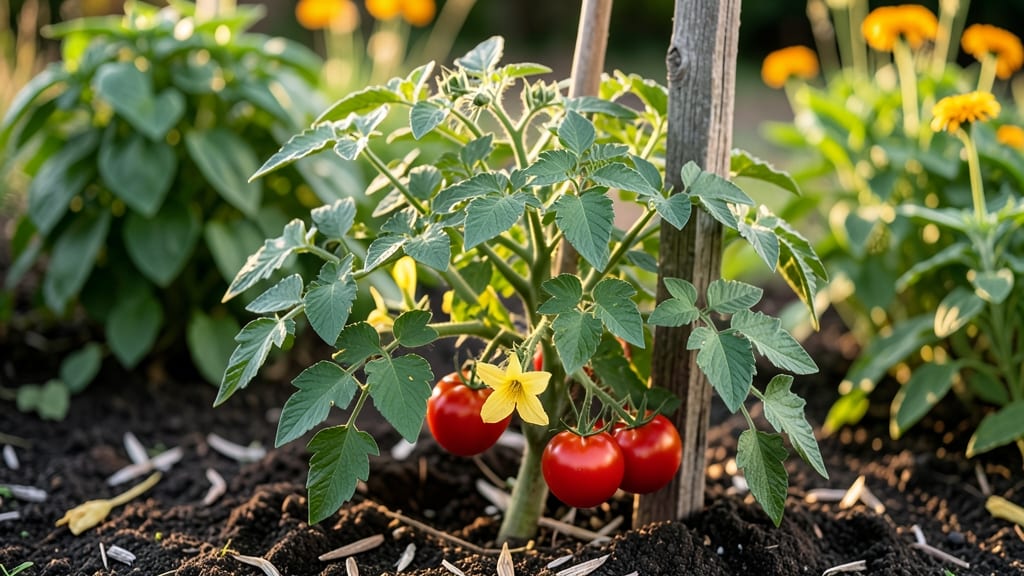
A tomato plant identifier saves you from wasting time on the wrong care. 🌱 I've spent years sorting through seedlings and nursery plants, and these visual tricks cut the guesswork down to seconds—no apps or databases needed.
Look for deeply lobed leaves with jagged edges and a fuzzy texture on the underside. The stems grow in a bushy, indeterminate pattern (unless you're growing a compact variety), and the first flowers appear in leaf axils.
Even a quick glance at these features tells you it's a tomato, not a pepper or eggplant. Once you spot those classic tomato leaves, you'll know whether you're dealing with a heirloom, cherry, or beefsteak variety by the plant's size and fruit shape.
The key is to learn just three patterns: the leaf shape, the stem growth habit, and the flower cluster style. Mistakes happen when you confuse tomatoes with peppers (smoother leaves) or nightshade weeds (smaller, more delicate).
But once you've got these clues memorized, you'll spot a tomato plant from across the garden.
Root Causes of Misidentification
Identifying tomato plants can feel like solving a botanical puzzle—especially when leaves and stems look eerily similar across varieties. But why does this happen? The answer lies in a mix of genetic quirks, environmental stress, and even human error.
Understanding these factors helps you spot the real clues (like leaf serrations or stem hairiness) that distinguish one tomato from another.
Tomatoes belong to the Solanum lycopersicum family, and many share a common ancestor. This means their basic leaf shapes—like the classic lyrate (hand-shaped) or pinnate (feather-like) patterns—are hardwired into their DNA. For example:
- Heirloom vs. Hybrid: Heirlooms like Brandywine and hybrids like Better Boy may both have deeply lobed leaves, but hybrids often have finer serrations and darker green veins.
- Determinate vs. Indeterminate: Growth habit (bushy vs. vining) is genetic, but their leaves can look nearly identical until flowering. Indeterminates (like Sungold) may have softer, more rounded lobes compared to the sharper edges of determinate Roma.
Actionable Tip: Check the stem hairiness—indeterminate varieties often have glandular hairs (tiny, sticky hairs) that deter pests, while determinates may be smoother. 🔍
Leaves don’t always reflect a plant’s true identity—they react to their surroundings. Common stressors that alter leaf shape or color include:
| Stressor | Leaf Change | How It Affects ID |
|---|---|---|
| 💧 Overwatering | Yellowing (chlorosis), cupped or wilted leaves | Makes cherry tomatoes (like Sweet 100) look like nutrient-deficient Beefsteak varieties. |
| ☀️ Sun Scorch | White or brown crispy patches on edges | Can make Black Krim leaves appear bleached, confusing it with Green Zebra. |
| 🐛 Pest Damage (e.g., aphids, spider mites) | Holes, stippling, or distorted growth | Turns San Marzano leaves into a jagged mess, resembling Early Girl under attack. |
Pro Tip: Compare leaves from the top of the plant (young, healthy) to the bottom (older, stressed). True variety traits show up in the upper leaves! 🌿
Even experienced gardeners mix up tomatoes because they focus on the wrong features. Common mistakes:
- Ignoring the leaf serration depth: Cherokee Purple has shallow, rounded lobes, while Striped German has deep, jagged teeth. A quick glance can blur this difference.
- Overlooking the stem color: Purple-stemmed varieties (like Indigo Rose) are often confused with green-stemmed Black Beauty until you look closely.
- Confusing flower clusters with leaves: Indeterminate tomatoes (like Celebrity) grow flowers in the leaf axils, while determinates (like Patio) have terminal clusters. This habit is a dead giveaway!
Quick Fix: Use a magnifying glass to inspect leaf edges and stem texture. Snap a photo and compare it to a tomato leaf chart (like the one from University of Maine) for side-by-side clues. 📸
Tomatoes are thermophilic (heat-loving), and extreme conditions can warp their appearance:
- Cold Snaps (<60°F): Leaves may develop purple hues (a sign of anthocyanin production), making Green Zebra look like Purple Russian.
- Low Light: Leaves grow larger and paler, causing Roma to resemble Beefmaster.
- Heat Stress (>90°F): Leaves curl upward (to reduce water loss), making Sungold appear stunted like Tiny Tim.
Science Note: Tomatoes use ethylene gas to signal stress. If your plant’s leaves are yellowing at the edges but the veins stay green, it’s likely heat stress, not a variety trait. 🌡️
Quick Fixes for Common Tomato Troubles
Got a tomato plant that’s not quite right? Don’t panic—most issues have simple, actionable solutions. Below, we’ll match your plant’s symptoms to the best fixes, plus tips to keep your tomatoes thriving. Let’s get those vines back on track!
Cause: Overwatering, underwatering, or root rot. Fix:
- 🔥 Drain the soil – If the soil feels soggy, let it dry out for a few days. Tomato roots need air!
- 🍳 Adjust watering – Water deeply 1–2 times per week (more in heat, less in rain). Avoid puddles.
- 👨🍳 Repot if needed – If roots are mushy or smelly, trim the bad parts and replant in fresh, well-draining soil.
Prevention: ✨ Test soil moisture – Stick your finger 1–2 inches deep; if dry, water. If wet, wait. ✨ Use raised beds – Improves drainage and prevents waterlogging.
Cause: Poor pollination (common in greenhouses or humid weather). Fix:
- 🔪 Give it a shake – Gently shake the plant or use a small brush to transfer pollen.
- 🌡️ Boost airflow – Open windows or use a fan to help pollinators (or mimic their work).
- 🎯 Try a DIY fix – Lightly tap blossoms with a stick or dab them with a damp paintbrush.
Prevention: ✨ Plant near bees – Marigolds, basil, or borage attract pollinators naturally. ✨ Hand-pollinate at dawn – When humidity is lower, flowers open best.
Cause: Hornworms, aphids, or spider mites. Fix:
- 🍳 Handpick pests – Check leaves daily and squish hornworms (they’re camouflaged!).
- 🔥 Spray soapy water – Mix 1 tsp mild soap in a spray bottle and target undersides of leaves.
- 👨🍳 Introduce predators – Ladybugs or lacewings eat aphids naturally.
Prevention: ✨ Neem oil spray – Apply weekly as a deterrent (1 tbsp neem oil + 1 tsp soap per quart of water). ✨ Row covers – Use lightweight fabric to block pests before they arrive.
Cause: Powdery mildew or early blight. Fix:
- 🔪 Prune infected leaves – Remove and destroy them (don’t compost!) to stop spread.
- 🌡️ Baking soda spray – Mix 1 tsp baking soda + 1 tsp oil + 1 quart water. Spray undersides.
- 🎯 Improve airflow – Space plants 18–24 inches apart and stake for support.
Prevention: ✨ Water at the base – Avoid wetting leaves to reduce fungal spores. ✨ Copper fungicide – Use as a preventive spray every 2 weeks.
Pro Tip: 💡 When in doubt, snap a photo! Use a tomato plant identifier app (like PlantNet or Google Lens) to confirm symptoms before treating. Early action = happier harvests!
Need a deeper dive? Check out our Tomato Plant Care Guide for long-term strategies. Now go rescue those tomatoes! 🍅✨
Frequently asked questions
How do I tell if my plant is a tomato vs. pepper or eggplant?
Check the leaf shape first—tomatoes have deeply lobed, jagged leaves with fuzzy undersides, while peppers have smoother, more oval leaves. Tomatoes also grow flowers in the leaf axils (not at the tips like eggplants), and their stems often have tiny, sticky hairs.
Can I use an app to identify my tomato variety?
Yes! Try PlantNet or Google Lens—just snap a clear photo of the leaves, stems, and flowers. For best results, include upper leaves (healthier) and compare against a tomato leaf chart from the University of Maine extension.
Why do my tomato leaves look different from what I expected?
Environmental stress changes leaf shape! Overwatering causes yellowing, sun scorch creates crispy edges, and pests make holes. Compare top leaves (true variety traits) to bottom leaves (often stressed). Purple stems? It might be Indigo Rose—not a disease!
How do I distinguish determinate vs. indeterminate tomatoes?
Look at the growth habit: determinates (like Roma) grow in compact bushes with terminal flower clusters, while indeterminates (like Sungold) vine continuously with flowers in the leaf axils. Indeterminates also often have softer leaf lobes.
What’s the fastest way to confirm my tomato variety?
Check these 3 clues: leaf serration depth (deep = heirloom, fine = hybrid), stem hairiness (sticky = indeterminate), and flower cluster style (terminal = determinate). For stubborn cases, post photos in gardening forums—experts often guess correctly within minutes!