
Vegetables
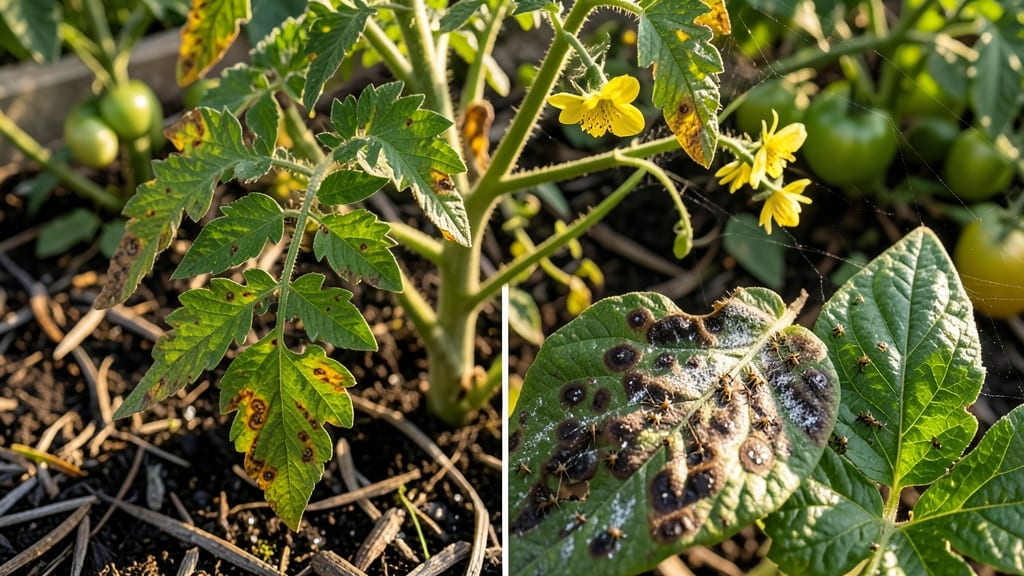
Your tomato plants are screaming for help—but their leaves can’t talk. 🌱 The first sign of trouble isn’t always obvious, so I’ve spent years matching tomato leaf problems photos to their real causes (and solutions) so you don’t lose another harvest to mystery spots or wilting.
This guide shows you exactly what to look for, from yellowing edges to blackened stems, with clear fixes that actually work.
Most problems start with simple fixes: adjusting water, adding mulch, or pruning the right way. I’ll show you how to tell if your plants need more sun, less water, or a quick spray of neem oil—without guessing.
The key is acting fast, because what looks like a small spot can turn into a full-blown crisis in days. Think of this as your tomato plant’s first aid kit.
You’ll learn to spot early signs before they spread, like the telltale brown edges of blight or the crinkly leaves of aphids. Each issue comes with a step-by-step fix, from organic sprays to pruning techniques that keep your plants healthy.
No more pulling out your hair wondering why your tomatoes look sad—just clear answers and actionable steps.
Whether you’re dealing with disease, pests, or environmental stress, this guide covers the most common tomato leaf problems and how to fix them—so you can enjoy juicy, healthy tomatoes all season long. Let’s get those leaves looking happy again.
Root Causes Behind Leaf Issues
Understanding why tomato leaves develop problems is the first step to saving your plants. 🌱🚨 These issues rarely appear out of nowhere—they’re usually a response to environmental stress, pests, or underlying health problems.
Let’s break down the most common culprits and why they trigger those telltale signs in your tomato foliage.
Fungal diseases thrive in warm, humid conditions and often start with tiny spores lurking in soil, air, or even old plant debris. Once they land on your tomato leaves, they exploit weak spots—like wounds from pruning or rain damage—to invade. Common fungal offenders include:
- Early Blight (Alternaria solani): Spots start as small, dark brown lesions with concentric rings, often appearing on lower leaves first.
High humidity and poor airflow create the perfect breeding ground. - Late Blight (Phytophthora infestans): This aggressive fungus causes large, greasy-looking brown spots that spread rapidly, often killing leaves within days.
It thrives in temperatures between 60–80°F (15–27°C) and damp conditions. - Powdery Mildew (Oidium spp.): A white, powdery coating appears on leaves, blocking sunlight and stunting growth. It loves shady, crowded gardens with poor ventilation.
Why it happens: Fungi don’t discriminate—they attack stressed plants. Overwatering, overhead irrigation, or planting tomatoes too closely together trap moisture on leaves, giving spores a foothold. Even well-intentioned practices like mulching with thick layers can suffocate roots and weaken defenses.
Unlike fungi, bacteria multiply inside plant tissues, causing water-soaked lesions, yellowing, or oozing sap. They hitch rides on tools, wind, or even your hands after touching infected plants. Two notorious bacterial villains:
- Bacterial Spot (Xanthomonas perforans or Pseudomonas syringae): Tiny, watery spots with dark centers appear, often with yellow halos.
Splashed water during rain or irrigation spreads it like wildfire. - Bacterial Speck (Pseudomonas syringae pv. tomato): Similar to bacterial spot but with pinpoint, greasy-looking specks that can merge into large, dead areas. It thrives in cool, wet weather (50–75°F / 10–24°C).
Why it happens: Bacteria love open wounds—so avoid rough handling of leaves or stems. They also exploit nutrient deficiencies (especially potassium or calcium), making plants more susceptible. Once established, bacteria can survive in soil for years, waiting for the next vulnerable plant.
Pests don’t just eat leaves—they inject toxins, spread diseases, or disrupt the plant’s ability to photosynthesize. Here’s how they wreak havoc:
- Aphids 🐜: These tiny green/black bugs cluster on undersides of leaves, sucking sap and leaving sticky honeydew (which attracts sooty mold). They weaken plants by blocking nutrients. - Spider Mites 🕷️: In dry heat, these microscopic pests spin webs and speckle leaves with yellow stippling, reducing chlorophyll production.
They thrive in drought-stressed plants. - Tomato Hornworms 🦋: While they munch leaves aggressively, their frass (droppings) and chewed edges can invite secondary infections. - Whiteflies 🐛: These winged pests excrete honeydew, creating a breeding ground for black sooty mold, which coats leaves and smothers them.
Why it happens: Pests target stressed plants—those lacking water, nutrients, or proper sunlight. Over-fertilizing with nitrogen (without potassium) makes tomatoes soft and tasty targets. Even monoculture gardening (planting tomatoes year after year in the same spot) attracts pest populations.
Tomatoes are tough, but push them too far, and they’ll scream for help via leaf problems. Common triggers:
- Overwatering or Poor Drainage 💦: Soggy roots suffocate plants, leading to yellowing (chlorosis), wilting, or fungal infections like root rot.
Tomatoes prefer consistent moisture but hate wet feet. - Underwatering or Heat Stress 🌡️: Leaves curl, scorch, or develop crispy edges when roots can’t keep up with water demands.
High temps (above 90°F / 32°C) also cause sunscald on exposed leaves. - Nutrient Deficiencies 🌱: Yellowing between veins? Likely iron or magnesium deficiency. Purple stems or leaves? Phosphorus or potassium shortage.
Soil pH imbalances (too acidic/alkaline) lock out nutrients. - Wind or Hail Damage 🌪️: Physical trauma creates entry points for pathogens or disrupts the leaf’s protective waxy coating.
Why it happens: Tomatoes are sensitive to extremes. Sudden temperature swings, salty soil (from tap water or over-fertilization), or compacted soil restrict root growth. Even lack of sunlight (shady spots) weakens plants, making them prone to pests or diseases.
Herbicides, fungicides, or even homemade sprays (like vinegar solutions) can burn leaves if misapplied. Symptoms include:
- Bleached or crispy edges
- Brown, necrotic spots
- Stunted growth
Why it happens:
- Over-diluting sprays (e.g., neem oil or copper fungicides) can concentrate active ingredients.
- Applying chemicals on hot days (above 85°F / 29°C) increases burn risk.
- Using garden tools or soil treated with pre-emergent herbicides near tomato roots.
Viruses like Tomato Mosaic Virus (ToMV) or Tomato Yellow Leaf Curl Virus (TYLCV) cause mottled leaves, stunted growth, or curled foliage. Unlike fungi or bacteria, viruses can’t be treated—only prevented.
Why it happens:
- Infected seeds or seedlings: Always buy certified disease-free plants.
- Sap-sucking insects (aphids, whiteflies) transmit viruses while feeding.
- Contaminated tools or hands: Move from infected to healthy plants last.
Pro Tip 💡: Prevention is easier than cure! Rotate crops, space plants for airflow, and monitor soil moisture to keep tomatoes resilient. If you spot problems early, act fast—many issues spread faster than you can say “blight.”
Quick Fixes for Healthy Tomato Leaves
Got your tomato plants looking a little worse for wear? Don’t panic—most leaf problems have simple, effective solutions. Below, we’ll match common tomato leaf issues with step-by-step fixes, so you can get your plants back on track fast.
And the best part? Many of these fixes also help prevent future problems. Let’s dive in!
Fix: Adjust care and feed wisely.
- 🔥 Check the soil moisture – Stick your finger 1–2 inches deep. If it’s soggy, your plant is drowning. Let the top inch dry out between waterings.
- 💧 Water at the base – Avoid wetting leaves to prevent fungal diseases like early blight.
- 🌱 Feed with balance – Yellowing from deficiency? Use a balanced fertilizer (10-10-10) or compost tea. For nitrogen deficiency (lower leaves yellow first), try fish emulsion or alfalfa meal.
- 🍂 Trim the damage – Snip off severely yellowed leaves to redirect energy to healthy growth.
💡 Prevention Tip: Mulch with straw or grass clippings to retain moisture and regulate soil temperature.
Fix: Hydrate and protect your plants.
- 🍳 Deep watering is key – Water slowly until it drains out the bottom (1–1.5 gallons per plant for mature tomatoes). Do this in the early morning to reduce evaporation.
- 🌿 Shade cloth for heatwaves – If temps hit 90°F+, provide 30–50% shade during peak sun (10 AM–4 PM).
- 🌱 Prune strategically – Remove suckers and lower leaves to improve airflow and reduce stress.
- 💧 Use drip irrigation – Keeps soil consistently moist without wetting foliage.
💡 Prevention Tip: Group tomato plants together to create a microclimate that retains moisture and cools the air.
Fix: Act fast with organic or chemical controls.
- 🔪 Remove infected leaves immediately – Drop them in a sealed bag (don’t compost!). Disinfect pruners with rubbing alcohol between cuts.
- 🌿 Improve airflow – Space plants 18–24 inches apart and prune for an open canopy.
- 🍳 Spray preventatively – Use a copper fungicide (like Cupric Hydroxide) or neem oil spray (1 tbsp neem oil + 1 tsp dish soap per quart of water) every 7–10 days during wet seasons.
- 🌱 Rotate crops – Never plant tomatoes (or nightshades) in the same spot next year.
💡 Prevention Tip: Water only at the base and avoid overhead sprinklers. Early morning watering gives leaves time to dry.
Fix: Trap, squish, or spray—your choice!
- 👨🍳 Handpick hornworms – Look for green caterpillars with white stripes (they grow fast). Drop them in soapy water.
- 🍳 Soap spray for aphids – Mix 1 tbsp mild liquid soap + 1 quart water, spray undersides of leaves.
- 🌿 Neem oil for mites – Spray every 5–7 days until pests vanish. Add a drop of horticultural oil for extra stickiness.
- 🌱 Introduce predators – Ladybugs and lacewings love aphids. Buy them online or attract them with dill or fennel nearby.
💡 Prevention Tip: Row covers (fine netting) keep pests out until flowers form (then remove to allow pollination).
Fix: Diagnose first, then act.
- 🔥 Check the roots – Gently dig around the base. Healthy roots are firm and white; rotten roots are mushy and brown.
- If root rot: Stop watering immediately, trim dead roots, and repot in fresh, dry soil with perlite for drainage.
- 🌱 For viral diseases (e.g., Tomato Mosaic Virus): Remove the plant entirely—viruses spread like wildfire and can’t be cured.
- 💧 Adjust watering – If soil stays waterlogged, raise beds or add gravel at the bottom of containers.
💡 Prevention Tip: Sterilize pots between uses with a 10% bleach solution to kill fungal spores.
Want to avoid future headaches? Follow this simple routine:
- 🌱 Start with healthy seedlings – Buy from reputable nurseries or grow from seed using sterile soil.
- 🌡️ Monitor weather – Tomatoes hate extreme heat or cold.
Use cloches in spring/fall if needed. 3. 🍳 Test your soil – Aim for pH 6.0–6.8. Amend with lime (to raise pH) or sulfur (to lower it) if needed. 4. 🌿 Crop rotation – Wait 3 years before replanting tomatoes in the same spot.
- 🔄 Clean up debris – Remove all plant waste after harvest to starve fungi and pests.
Final Thought: Most tomato leaf problems are fixable with quick action and a little TLC. The key is catching issues early and adjusting your care routine. Now grab those shears, spray bottle, and compost bucket—your tomatoes are waiting for a comeback! 🚀
Frequently asked questions
How can I tell if my tomato leaf spots are fungal vs. bacterial?
Fungal spots usually have concentric rings (like early blight) or a powdery white coating (powdery mildew), while bacterial spots appear watery with yellow halos and often ooze when wet. Fungi thrive in humidity, while bacteria spread via water splashes—check your watering habits for clues.
Why are my tomato leaves curling but no pests are visible?
Curling often signals heat stress (above 90°F/32°C), underwatering, or viral infections. Check soil moisture first—curls from drought appear crispy. If leaves also show mottling or stunting, it may be a virus (like Tomato Yellow Leaf Curl), which requires removing the plant to prevent spread.
Can I save a tomato plant with severe blight on most leaves?
Prune all infected leaves immediately and treat with copper fungicide or neem oil. For late blight, remove the plant entirely to stop spread. If only lower leaves are affected, focus on improving airflow and watering at the base—healthy regrowth is possible with quick action.
What’s the fastest way to get rid of spider mites on tomato leaves?
Spray leaves top and bottom with a mix of 1 tbsp neem oil + 1 tsp dish soap per quart of water, repeating every 5–7 days. Increase humidity with a nearby tray of water or misting, as mites thrive in dry conditions. Introduce predatory mites for long-term control.
Are yellow tomato leaves always a sign of overwatering?
Not always! Yellowing can mean overwatering (soggy soil), underwatering (dry, crispy edges), or nutrient deficiency (yellow between veins = iron/magnesium). Check soil moisture and leaf texture—wilting + yellow = water issue; pale yellow = nutrient problem. Test your soil pH if unsure!