
Plants
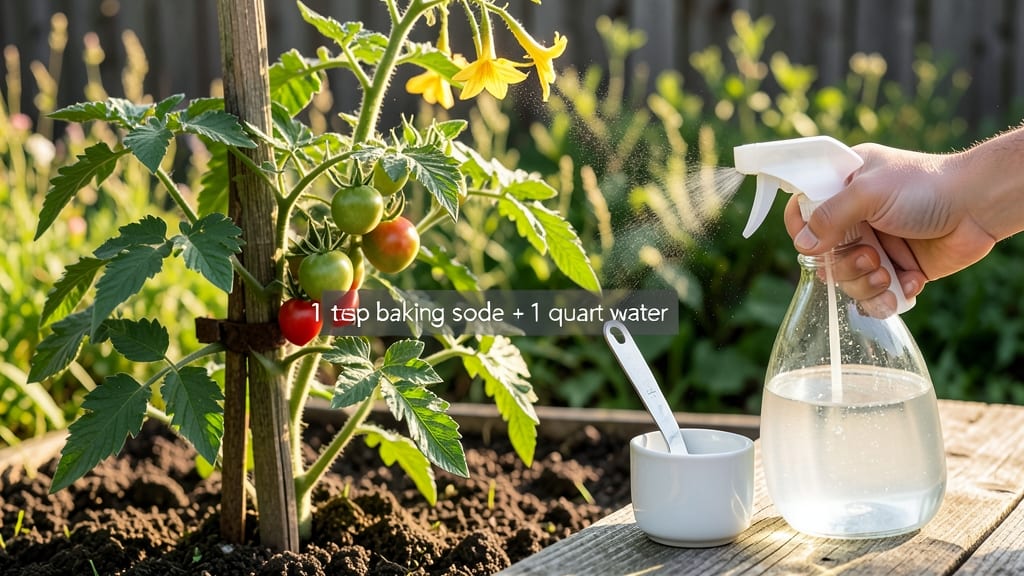
Baking soda is good for tomato plants when used correctly, as it helps balance soil acidity, prevents fungal diseases like powdery mildew, and deters pests such as aphids—but excessive use can harm soil microbes and disrupt nutrient availability.
Baking soda works because its alkaline nature can neutralize acidic soil conditions that tomatoes often prefer slightly alkaline conditions for optimal growth. 🌱 When mixed with water, it creates a mild fungicide that disrupts the cell walls of fungal spores, while its gritty texture physically irritates soft-bodied pests like aphids.
However, the key lies in moderation—too much can raise soil pH beyond ideal levels, locking out essential nutrients like iron and manganese that tomatoes need. I recommend testing soil pH before application and sticking to diluted solutions (1 tablespoon per gallon of water) for foliar sprays or light soil amendments.
For best results, apply baking soda treatments during early morning or late evening to avoid burning leaves under direct sunlight.
Always rinse plants thoroughly after application to prevent residue buildup, which can clog stomata and reduce photosynthesis efficiency. 🌿 What's interesting is that baking soda's effectiveness varies by region—coastal areas with naturally alkaline soils may see different results than inland gardens with acidic topsoil.
When in doubt, start with small test applications and monitor plant response closely.
💡 In This Article
- How Baking Soda Affects Tomato Plant Health
- Safe Ways to Use Baking Soda on Tomato Plants
How baking soda affects tomato plant health
Baking soda's effectiveness for tomato plants stems from its chemical composition as sodium bicarbonate (NaHCO₃), an alkaline compound that reacts with acidic soil components. Tomato plants thrive in slightly acidic to neutral soil (pH 6.0-6.8), but many garden soils—especially those rich in organic matter—can become overly acidic (pH below 6.0).
When baking soda dissolves in water, it raises the pH by releasing hydroxide ions (OH⁻), which neutralize excess hydrogen ions (H⁺) in acidic soil. This adjustment helps prevent nutrient deficiencies like iron chlorosis (yellowing leaves) that occur when iron becomes locked out in acidic conditions.
The alkaline environment also creates an inhospitable zone for fungal pathogens. Powdery mildew, a common tomato disease, thrives in slightly acidic conditions (pH 5.0-6.0) and relies on calcium oxalate crystals to penetrate plant tissues.
Baking soda's high pH disrupts these crystals while its sodium ions interfere with fungal cell membrane integrity. Studies show a 1% baking soda solution (1 tablespoon per gallon) can reduce powdery mildew spores by up to 60% when applied as a foliar spray.
The gritty texture further helps by physically abrading fungal hyphae during application.
For pest control, baking soda's mechanism is twofold: chemical irritation and physical disruption. Aphids and whiteflies, with their soft, permeable exoskeletons, are particularly vulnerable. When baking soda solution contacts their bodies, the alkaline pH disrupts their waxy cuticle, causing dehydration.
The sodium ions also interfere with their nervous system, leading to paralysis within 24-48 hours. What's fascinating is how this works differently from traditional insecticides—it doesn't kill beneficial insects like ladybugs or lacewings, which have thicker exoskeletons that resist the alkaline effects.
However, the risks of overapplication are significant. Excessive baking soda can raise soil pH beyond 7.0, creating conditions where essential micronutrients like manganese and zinc become unavailable to plants. Tomatoes show early signs of deficiency as interveinal chlorosis (yellowing between leaf veins) or stunted growth.
The sodium content also poses a long-term threat to soil structure, potentially causing clay particles to disperse and reduce water retention. In container gardens, this effect is particularly noticeable within 3-6 months of frequent applications.
Another critical factor is microbial balance. Beneficial soil bacteria and mycorrhizal fungi, which help tomatoes absorb nutrients, are sensitive to high pH levels.
A 2018 study in the Journal of Plant Pathology found that soils with pH above 7.5 showed 40% lower populations of beneficial microbes, directly correlating with reduced tomato yields. This is why professional gardeners recommend soil testing before application—knowing your baseline pH prevents unintended consequences.
What most gardeners overlook is the timing of application. Baking soda works best when applied preventatively during early morning or late evening, when temperatures are below 80°F. Direct sunlight can cause the solution to dry too quickly, leaving residue that clogs stomata and reduces photosynthesis.
The ideal application window is 5:00-7:00 AM or 6:00-8:00 PM, when humidity is higher and evaporation is slower. This timing maximizes both the chemical and physical effects while minimizing plant stress.