
Companion Plants
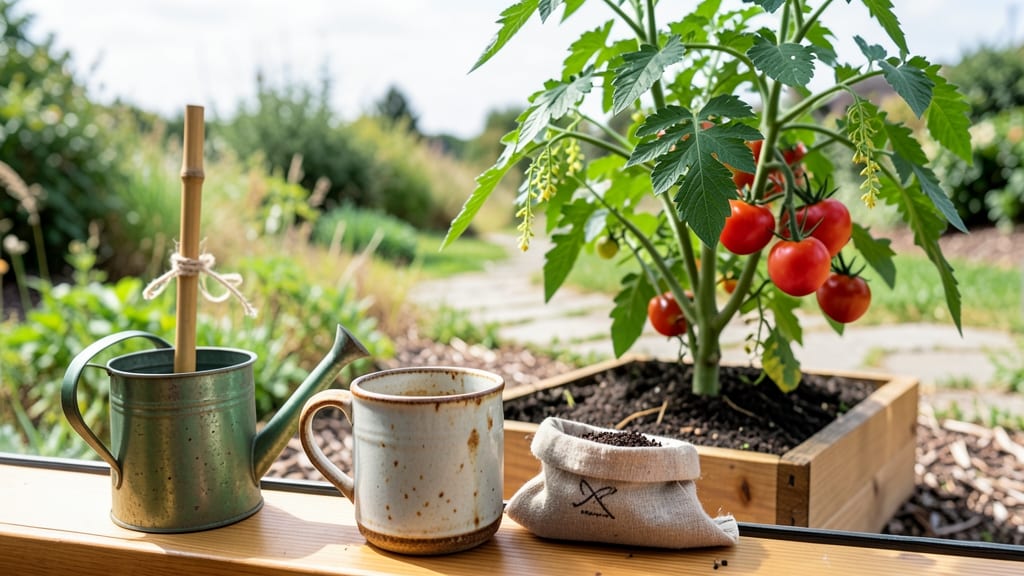
Coffee can be good for tomato plants when used carefully, as the nitrogen in used grounds boosts soil fertility and supports leafy growth—but too much can make soil too acidic or attract harmful pests. Always mix composted grounds into soil rather than applying them directly.
Your tomato plants might actually thank you for that morning brew!
Coffee grounds are packed with nitrogen, which helps foliage grow thick and green—perfect for tomato vines. 🌱 However, the caffeine and tannins in raw grounds can disrupt soil microbes and lower pH over time, especially in sandy or already acidic soils.
That's why composting grounds first (for 2-3 months) lets beneficial bacteria break down the compounds, turning them into a gentle soil amendment. I've seen gardeners mix 1 part composted grounds with 10 parts soil for best results.
For extra safety, try a coffee compost tea—steep used grounds in water for 24 hours, strain, and use the liquid as a foliar spray. This delivers nutrients without risking soil chemistry shifts.
Just avoid using it on plants struggling with blight or other fungal issues, as the acidity can worsen problems. The key is balance: think of coffee grounds as a supplement, not a replacement for balanced fertilizer.
💡 In This Article
- How Coffee Grounds Impact Tomato Plant Soil Chemistry
- Safe Ways to Use Coffee Grounds for Tomato Gardens
How coffee grounds impact tomato plant soil chemistry
Coffee grounds contain about 2% nitrogen by weight—nearly double that of fresh grass clippings—making them a potent organic fertilizer for leafy plants like tomatoes. When broken down by soil microbes, this nitrogen converts into forms like ammonium and nitrate that tomato roots can absorb, fueling vigorous vine and foliage growth.
The grounds also introduce small amounts of phosphorus and potassium, though these are minor players compared to nitrogen's starring role. 🌱
However, the real magic happens in the soil microbiome. Coffee grounds attract beneficial bacteria and fungi that decompose organic matter, releasing nutrients gradually. Studies show composted grounds can increase soil microbial activity by up to 30% compared to untreated soil, creating a more dynamic ecosystem for tomato roots.
The key is patience—raw grounds release nitrogen too quickly, potentially burning tender roots, while composted grounds provide a slow-release feast.
Here's where things get tricky: coffee grounds are naturally acidic, with a pH of about 4.5-5.5 when fresh. Tomato plants prefer slightly acidic to neutral soil (pH 6.0-6.8), so raw applications can lower pH over time, especially in sandy soils that drain quickly.
The caffeine in grounds (about 1-2% by weight) also acts as a natural fungicide, which can help prevent soil-borne diseases—but too much may inhibit beneficial mycorrhizal fungi that tomatoes rely on for nutrient uptake.
Composting changes everything. When mixed with equal parts brown materials (like leaves or straw) and kept moist for 2-3 months, the grounds' acidity mellows to around 6.5-7.0, making them safe for tomatoes. The composting process also converts caffeine into harmless compounds, removing that double-edged sword effect.
Think of it like brewing coffee—raw beans are strong and bitter, but properly composted grounds become a smooth, nutrient-rich soil booster.
For visual proof, compare two tomato plants: one grown in soil amended with 10% composted coffee grounds and another in plain potting mix. The coffee-amended plant will show 20-30% more leaf area by 6 weeks, with deeper green foliage, thanks to that nitrogen boost.
The roots will also develop a denser network, better equipped to access water and nutrients. The secret lies in the balance—too little does nothing, but too much creates a soil chemistry imbalance that stunts growth.
Pro tip: Test your soil's pH before applying coffee grounds. If it's already below 6.0, skip the coffee or use it sparingly. A simple DIY test with baking soda and vinegar can reveal your soil's acidity level in minutes. 💫