
Planting
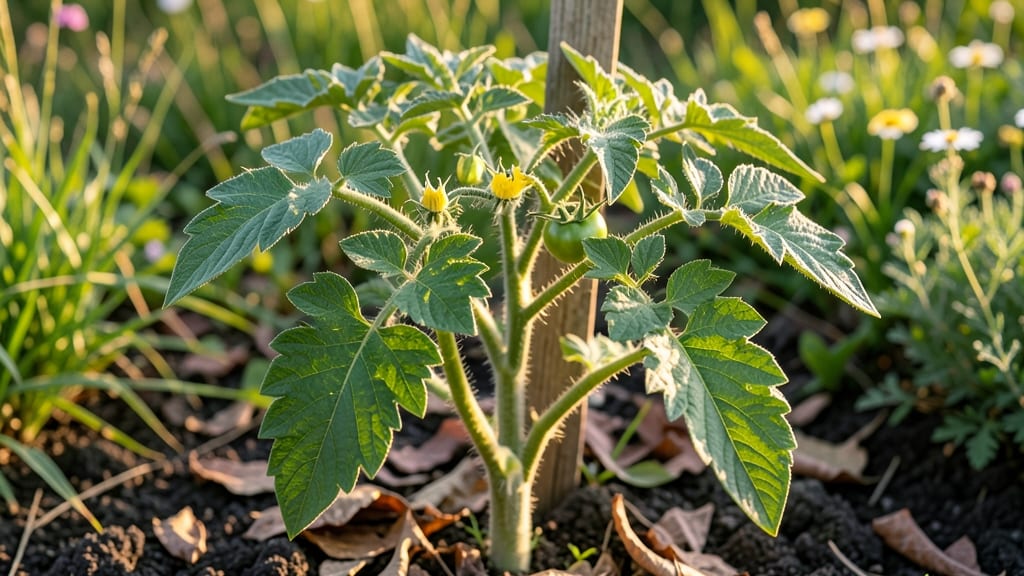
Those tiny hairs on tomato leaves aren’t just fuzzy—they’re your plant’s first line of defense. 🌱 I’ve watched them trap spider mites like a spiderweb and deter aphids before they even land, but when they’re missing or damaged, pests move in fast.
The secret to keeping them healthy is understanding what they do and how to protect them.
Healthy hairs look like fine, translucent threads under a magnifying glass, often with sticky tips that trap insects. They repel pests by making leaves feel rough and unpleasant to crawl on, while also releasing natural chemicals that deter feeding.
But if your plants are hairless or the hairs are sparse, it could signal nutrient deficiencies (like low potassium), chemical stress from harsh pesticides, or simply choosing the wrong variety.
Support their natural defenses by using neem oil sprays or insecticidal soap instead of synthetic pesticides, and make sure your soil is rich in organic matter. Hairy heirloom varieties like ‘Cherokee Purple’ resist pests better than many smooth-skinned hybrids, but even smooth plants can thrive with proper care.
The key is balance—let those tiny hairs do their job without over-interfering.
When hairs are damaged, focus on preventing spider mites (their favorite snack) by increasing humidity around plants and introducing beneficial predators like ladybugs. A simple water spray in dry conditions can also deter pests from settling in.
The goal isn’t to force extra hairs—it’s to keep the ones you’ve got working at full strength.
What Triggers Plant Hair Growth
Tomato plants develop those tiny, fuzzy hairs (technically called trichomes) as a survival mechanism—think of them as nature’s built-in security system. 🌱🛡️ While they may seem like an afterthought, these microscopic structures form in response to specific environmental and biological stressors.
Understanding why they appear helps gardeners protect their plants more effectively. Below, we break down the key triggers behind trichome development, from genetic programming to external threats.
Not all tomato varieties grow hairs to the same extent—some are genetically wired to produce more trichomes than others. Here’s why: - Breeding for resilience: Many heirloom and wild tomato species (like Solanum habrochaites) evolved in harsh climates with high pest pressure.
Breeders often select for traits like dense trichomes to improve disease resistance. - Species variations: Cherry tomatoes (e.g., 'Sugar Snap') tend to have finer, less dense hairs compared to beefsteak varieties (e.g., 'Brandywine'), which may develop thicker, glandular trichomes. - Hereditary traits: If you grow from seed, the parent plant’s trichome density often dictates the offspring’s. For example, hybrid tomatoes like 'Celebrity' inherit moderate hairiness from their parents.
Actionable tip: 🌱 If pests are a recurring issue in your garden, opt for varieties known for heavy trichome production, such as 'Mountain Merit' or 'Cherokee Purple.'
Trichomes aren’t just passive features—they’re active defenders that react to threats. When pests like aphids, spider mites, or whiteflies attack, the plant ramps up trichome production as part of its immune response: - Mechanical barrier: Dense hairs make it harder for soft-bodied insects to crawl or lay eggs.
For instance, spider mites struggle to move across heavily haired leaves. - Chemical deterrents: Some trichomes secrete glandular exudates (oily or sticky substances) that repel or even poison pests.
These are more common in varieties like 'Defiant PhR' (resistant to early blight). - Vibrational cues: Research suggests plants may "sense" pest damage through vibrations, triggering a systemic response to grow more trichomes in undamaged areas.
Pro tip: 🔥 If you notice an uptick in hairs after a pest outbreak, your plant is essentially "arming itself." Encourage this by introducing beneficial insects (like ladybugs) to reduce manual pest stress.
Trichomes aren’t just a reaction to pests—they also respond to environmental conditions that weaken the plant’s resilience: - High temperatures: Tomato plants grown in hot climates (above 85°F/29°C) often develop thicker, more abundant hairs to reduce water loss and reflect excess sunlight.
This is why greenhouse-grown tomatoes may look "fuzzier" than field-grown ones. - UV radiation: Increased sunlight exposure (especially UV-B rays) stimulates trichome growth.
Plants in high-altitude or desert regions tend to have denser hairs as a natural sunscreen. - Nutrient deficiencies: A lack of silicon (a trace mineral) or phosphorus can impair trichome development, making plants more vulnerable. Conversely, balanced fertilization with potassium supports stronger hair growth.
Grower insight: 🌡️ If your tomatoes are in a hot, sunny spot, expect more hairs—it’s their way of adapting. Mulch with reflective materials (like straw) to help them cope without overstressing.
Fungal diseases like early blight (Alternaria solani) or bacterial speck (Xanthomonas perforans) can trigger trichome production as a last-ditch defense: - Physical blockage: Hairs create a rough surface that fungal spores struggle to latch onto, slowing infection spread. - Antimicrobial secretions: Some trichomes release volatile organic compounds (VOCs) that inhibit pathogen growth.
For example, tomatoes with glandular trichomes show reduced severity of powdery mildew. - Wound response: When leaves are damaged (e.g., by hail or pruning), the plant may grow trichomes around the wound to seal it off from invaders.
Prevention tip: ✨ Rotate crops annually and avoid overhead watering to minimize fungal spores—this reduces the need for your plant to overproduce trichomes as a defense.
Even human interventions can influence trichome growth:
- Herbicide drift: Residual glyphosate or other broadleaf herbicides can stress tomato plants, leading to compensatory hair growth as a stress response.
- Air pollution: Ozone or sulfur dioxide exposure (common in urban gardens) may stimulate trichome development to protect leaf surfaces.
- Pruning practices: Aggressive pruning removes trichome-rich areas, prompting the plant to regrow them denser in remaining leaves.
Safety note: 🚫 Always use tomato-safe herbicides and avoid spraying near plants to prevent unintended stress responses.
Quick Fixes for Fuzzy Tomato Plants
Those tiny hairs on your tomato plants aren’t just a quirky detail—they’re a natural shield against pests and disease. But when they become a problem (like when overgrowth blocks sunlight or attracts unwanted critters), it’s time to step in. Here’s how to restore balance without harming your plants.
If the hairs are so dense they’re shading leaves or slowing airflow, a light pruning session can help.
- 🔪 Use clean, sharp pruners (sterilize with rubbing alcohol to prevent disease spread).
- 🌿 Focus on the lower stems where hairs are thickest—trim just above a leaf node to encourage bushier growth.
- ⏰ Do it early in the morning when plants are hydrated, and avoid trimming during heatwaves.
Prevention tip: 💡 Space plants 18–24 inches apart to reduce competition for light and airflow.
Some pests (like spider mites or whiteflies) love to nest in dense plant hairs. Break their cover with these tactics:
- 💦 Spray with water—A strong stream from the hose (early morning) can knock off pests and deter future visits.
- 🌿 Introduce beneficial insects like ladybugs or lacewings, which feast on hair-dwelling pests.
- 🧼 Apply neem oil or insecticidal soap (follow label instructions) to smother pests without harming the plant.
Prevention tip: 🌡️ Keep humidity in check—pests thrive in sticky, damp conditions. Use a fan on low to improve airflow.
If hairs are torn (e.g., from wind or rough handling), the plant’s first line of defense weakens. Boost resilience with:
- 💊 Foliar feed with seaweed extract—rich in nutrients that help repair plant tissues.
- 🌿 Mulch with straw or grass clippings to protect stems from physical damage.
- 🌞 Ensure 6+ hours of sunlight daily—strong light = stronger natural defenses.
Prevention tip: ✨ Handle plants gently when staking or pruning—rough treatment can strip hairs and invite disease.
Not all hairy situations need fixing! If your tomatoes:
- Have short, fine hairs (like peach fuzz)—these are normal and protective.
- Are growing well with no pest signs—interfering could stress the plant.
- Are heirloom or wild varieties (e.g., ‘Cherokee Purple’)—their hairs are part of their genetics.
Pro tip: 🎯 Let nature do the work! Hairy tomatoes often resist blight and pests better than smooth-skinned varieties.
With a little attention, your tomato plants’ fuzzy armor will keep them thriving—without you lifting a finger (unless pests show up!).
Frequently asked questions about tomato plant hairs
Why do some tomato plants have more hairs than others?
Hair density varies by variety! Heirloom tomatoes like 'Cherokee Purple' have thick, glandular hairs for natural pest resistance, while modern hybrids often have fewer. Hot climates or UV exposure also trigger more hair growth as a protective response.
Are tomato plant hairs harmful to humans?
No, they're completely harmless! The tiny hairs (trichomes) are soft and don't irritate skin. Some gardeners even say they feel like "plant velvet." Just avoid touching your face while gardening to prevent any accidental transfers.
Can I remove tomato plant hairs to make leaves smoother?
While possible, it's not recommended. Those hairs protect against pests and disease - removing them weakens your plant's natural defenses. If you must, use a very gentle brush rather than rubbing leaves directly.
What should I do if my tomato plant hairs are disappearing?
Missing hairs often signal stress from pests, nutrient deficiencies (like low potassium), or chemical damage. Try applying organic sprays like neem oil and check your soil's mineral balance. Some varieties naturally have fewer hairs - verify your tomato type first.
Do tomato plant hairs affect fruit quality?
Not directly! The hairs only grow on leaves and stems - they never appear on the fruit itself. However, healthy hairs mean healthier plants, which often produce better-tasting tomatoes. The fruit's texture and flavor come from proper pollination and sunlight, not leaf hairiness.