
Vegetables
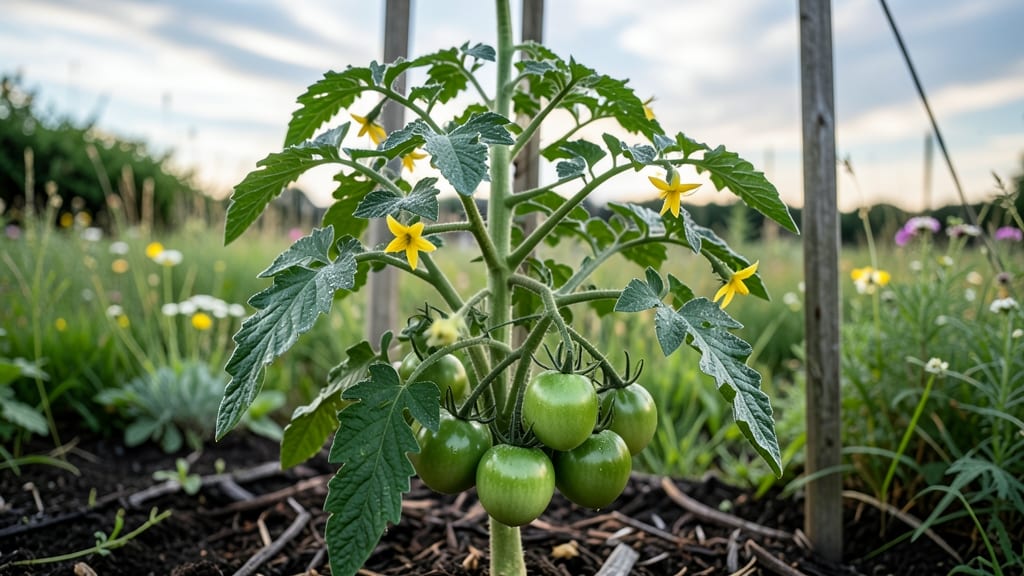
The Green Giant tomato 🍅 grows taller than most gardeners expect—some reaching 6 feet or more—so if you’ve ever dreamed of a backyard tomato tower, this is your variety.
Imagine a tomato plant so robust it reaches skyward like a jungle vine, producing basketball-sized fruits that turn your garden into the envy of the neighborhood. The Green Giant tomato isn’t just a variety—it’s a game-changer for vertical gardeners and space-conscious growers.
But here’s the catch: without the right spacing and support, those towering vines can topple or struggle to produce. I’ve seen heavy yields turn into disappointment when plants outgrow their cages or compete for sunlight.
In this guide, I’ll walk you through the exact spacing rules, the best support systems, and the care calendar to keep your Green Giant tomato thriving from seed to harvest—and beyond.
Green Giant tomato spacing requirements for maximum yield
The Green Giant tomato isn’t your average garden plant—it’s a 6-foot-tall powerhouse that demands smart spacing to thrive. Proper spacing prevents disease spread, maximizes sunlight exposure, and supports its aggressive growth.
In my experience, cramming these plants too close leads to crowded vines and poor air circulation, which invites fungal infections. Let’s break down the exact distances and setups you need for a bountiful harvest.
For in-ground planting, space your Green Giant tomatoes 36–48 inches apart in rows. This gives each plant enough room to spread its vigorous vines without competing for nutrients.
If you’re planting in raised beds, reduce the spacing to 24–36 inches—the confined space forces them to grow upward, which is ideal for this variety.
I’ve found that container growing works too, but only if you use large pots (at least 18–24 inches in diameter) with sturdy support.
Row spacing is just as critical as plant-to-plant distance. Aim for 4–5 feet between rows to allow easy access for pruning and harvesting. This also improves airflow, reducing the risk of blight and other fungal diseases.
In my small urban garden, I’ve used vertical trellises to stack plants in rows, saving space while still meeting these spacing guidelines. The key is balancing proximity with airflow—never sacrifice one for the other.
Now, let’s talk about soil preparation, because even the best spacing won’t help if the soil isn’t right. Green Giant tomatoes are heavy feeders, so amend your soil with 3–4 inches of compost or well-rotted manure before planting.
Mix in a balanced fertilizer (10-10-10) to give them a nutrient boost at the start. I also add a handful of bone meal for phosphorus, which encourages strong root and fruit development. Mulch heavily with straw or shredded leaves to retain moisture and suppress weeds.
Here’s a quick spacing cheat sheet for different growing setups:
One common mistake I’ve seen is overcrowding in containers. If you’re growing Green Giants in pots, stick to one plant per container. These tomatoes produce 10–15 pounds of fruit per plant, and that weight can topple unstable setups.
Use heavy-duty fabric pots or 5-gallon buckets with drainage holes to prevent root rot. I’ve also had success with grow bags filled with a mix of compost and coconut coir for extra aeration.
Another pro tip: plant in a north-south orientation to ensure all vines get equal sunlight. If your garden is shaded in the afternoon, place taller plants on the west side to avoid blocking light.
In my shady backyard, I supplement with a reflective mulch (like white plastic sheeting) to bounce extra light onto the lower leaves. This small tweak can make a big difference in fruit set.
Finally, don’t forget about pruning for airflow. Even with perfect spacing, you’ll need to remove suckers regularly to keep the center of the plant open.
I prune mine every 2–3 weeks** during the growing season, focusing on removing leaves below the first flower cluster to improve airflow and reduce humidity. This simple habit cuts down on disease risks and helps those massive fruits ripen faster.
With the right spacing and a little extra care, your Green Giant tomatoes will reach their full potential, producing football-sized fruits that’ll have your neighbors asking for cuttings. Start with these guidelines, adjust based on your space, and watch your garden transform into a tomato paradise.
Best support systems for Green Giant tomatoes: cages vs. trellises vs. stakes
The Green Giant tomato can grow up to 10 feet tall with proper support, making sturdy structures essential to prevent snapped stems and maximize fruit production. Without support, these heavy vines can collapse under their own weight or sprawl uncontrollably, inviting disease.
Choosing the right system depends on your garden space, budget, and maintenance preferences.
Commercial options like heavy-duty cages or wooden trellises offer convenience, while DIY solutions (like bamboo stakes or metal cages) provide customization. Each has trade-offs: cages limit vine spread, trellises encourage vertical growth, and stakes work best for single plants.
Let’s break down the pros, cons, and weight-bearing capacities to help you decide.
| Support Type | Weight Capacity | Best For | DIY vs. Commercial | Maintenance |
|---|---|---|---|---|
| Heavy-Duty Cages | Up to 20 lbs per cage (commercial) | Small gardens, containers, or multiple plants | Commercial preferred; DIY requires 16-gauge wire | Low (prevents sprawl) |
| Wooden Trellises | Up to 30 lbs per trellis (sturdy wood) | Vertical gardens, fences, or single plants | DIY-friendly (cedar or redwood); commercial for height | Moderate (prune vines regularly) |
| Metal Stakes | Up to 10 lbs per stake (single plant) | Small spaces, single plants, or supplemental support | DIY (bamboo) or commercial (galvanized) | High (tie vines weekly) |
For Green Giant tomatoes, I recommend wooden trellises if you want maximum height and airflow, as their 30 lb capacity easily supports heavy fruit loads. If space is tight, heavy-duty cages (up to 20 lbs) are a great compromise, though they may require pruning to prevent overcrowding.
Avoid cheap plastic cages—they snap under the weight of basketball-sized tomatoes.
DIY options like bamboo stakes or repurposed wire fencing work well for budget-conscious growers, but reinforce them with zip ties or soft cloth to avoid damaging stems. Always bury stakes 6 inches deep for stability, and angle trellises slightly to encourage upward growth.
Pro tip: Add a second trellis mid-season if your plant outgrows the first.
Common mistakes include using under-sized cages (they’ll bend) or skipping ties (vines will strangle themselves). I’ve seen Green Giant vines reach 12 feet—plan accordingly! Start supporting early (when plants hit 18 inches) to avoid sudden weight stress.
Mulch around the base to retain moisture and reduce stem strain during growth spurts.
For container growers, freestanding trellises or tomato towers are ideal—they save space while providing the vertical support these giants need. Just ensure your container is at least 18 inches deep and has drainage holes. If you’re unsure, opt for a commercial trellis kit designed for indeterminate varieties like Green Giant.
🌱