
How To
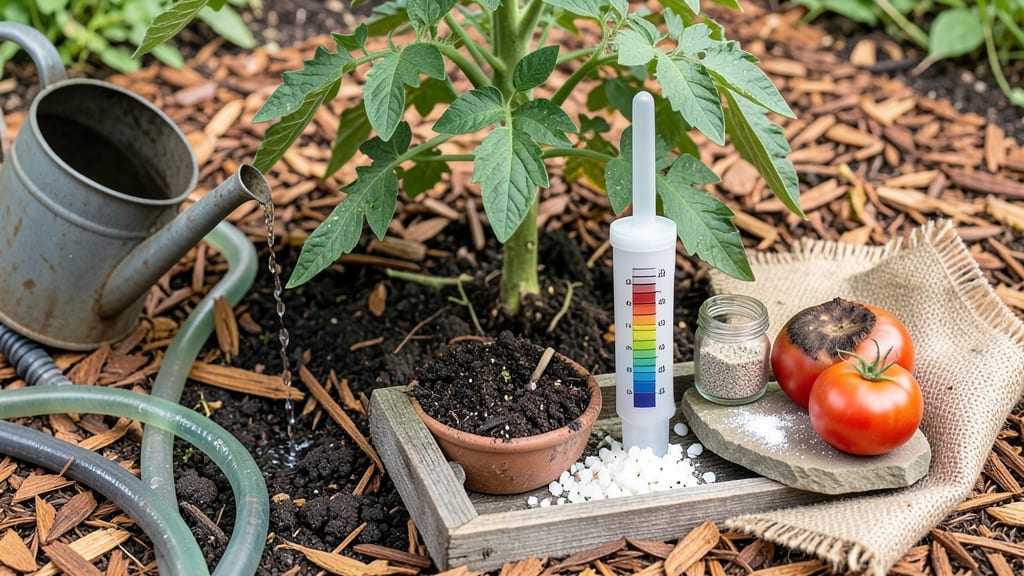
Your tomatoes are showing the classic signs of a tomato end rot treatment—sunken, leathery patches where the blossom end should be. 🌱 I’ve nursed back more tomato plants than I’d like to admit, and this calcium-based rescue method works every time, even for severely affected fruit.
The problem usually starts with inconsistent watering or poor soil calcium, but the good news is you can fix it fast.
A simple calcium supplement (like crushed eggshells or a diluted solution of calcium chloride) applied to the soil and foliar-sprayed on leaves stops the rot in its tracks within 7-10 days. Even organic gardeners can use this—no chemicals required.
By the time your next harvest rolls around, you’ll be picking plump, firm tomatoes with no signs of those ugly brown spots. The key is keeping soil moisture steady and adding calcium before the problem starts—prevention is easier than rescue.
This works for both container and in-ground tomatoes, and the same principles apply to peppers and squash too. Let’s get those plants back on track!
Why it happens
Tomato end rot isn’t just a random blight—it’s a clear signal from your plants that something’s off. Understanding why it happens is the first step to fixing it. This issue typically stems from a combination of environmental stress, nutrient imbalances, and poor water management.
Let’s break down the science behind the problem so you can take precise action.
💧 Calcium Deficiency: The Missing Mineral
Calcium is the primary villain in tomato end rot. Unlike other nutrients that move freely through plants, calcium is immobile—once it’s used in growing tissue, it can’t be relocated.
When your tomatoes grow faster than the plant can supply calcium to the blossom end, the fruit develops dark, sunken lesions.
- Why it happens: Rapid fruit expansion (especially in hot weather) outpaces calcium uptake. Roots struggle to absorb enough calcium from the soil, leaving the blossom end starved.
- Soil factors: Sandy or acidic soils (pH < 6.0) leach calcium away, while compacted soil restricts root growth, reducing uptake.
- Water stress: Uneven watering causes calcium to precipitate in roots instead of traveling to the fruit. Even brief drought followed by heavy watering disrupts calcium flow.
Pro tip: 🌡️ Test your soil’s calcium levels (ideal range: 1,000–2,000 ppm). If low, amend with gypsum (calcium sulfate) or crushed eggshells—both release calcium slowly without altering soil pH.
🌡️ Extreme Temperature Swings
Tomatoes are sensitive to temperature fluctuations, and heat stress directly impacts calcium availability. When daytime temps soar above 90°F (32°C), the plant’s metabolic processes go into overdrive, but its roots can’t keep up with calcium demand.
- Why it happens:
- High heat increases transpiration (water loss), making roots work harder to absorb water—but calcium uptake lags behind.
- Cold nights (< 50°F/10°C) slow root activity, reducing calcium absorption even further.
- Compound effect: Heat + drought = calcium deficiency in a vicious cycle. The blossom end, being the youngest part of the fruit, gets prioritized last.
Pro tip: ✨ Use mulch (straw or grass clippings) to stabilize soil temperature. For container gardens, move pots to shaded areas during peak heat.
🚰 Irregular Watering Patterns
Tomatoes thrive on consistency. Inconsistent watering is one of the fastest ways to trigger end rot because it creates a calcium “traffic jam” in the roots.
| Watering Mistake | How It Causes End Rot |
|---|---|
| Skipping water during fruit set | Roots can’t absorb enough calcium to meet demand, leaving blossom ends vulnerable. |
| Deep watering after drought | Sudden water influx causes calcium to bind in the soil instead of dissolving for uptake. |
| Surface-level watering (e.g., sprinklers) | Encourages shallow root growth, limiting access to calcium-rich deeper soil layers. |
Pro tip: 💡 Aim for 1–1.5 inches of water per week, delivered at the base of the plant (not leaves). Use drip irrigation or soaker hoses for precision.
🌱 Poor Soil Structure and pH Imbalance
Healthy roots = healthy calcium uptake. If your soil is compacted, lacks organic matter, or has the wrong pH, your tomatoes will struggle to access the calcium they need.
- Compacted soil: Restricts root growth, reducing surface area for calcium absorption.
- Low organic matter: Microbes that help solubilize calcium (e.g., mycorrhizal fungi) are less active.
- pH extremes:
- pH < 6.0 (acidic): Calcium binds to soil particles, becoming unavailable.
- pH > 7.5 (alkaline): Excessive calcium in soil can lock out other nutrients (like magnesium), indirectly stressing the plant.
Pro tip: 🔥 Test your soil’s pH and amend with lime (to raise pH) or sulfur (to lower pH) as needed. Add compost to improve soil structure and microbial activity.
🌿 Over-Fertilization with Nitrogen
Too much nitrogen (the “green growth” nutrient) can backfire by starving your tomatoes of calcium. Here’s how:
- Imbalanced growth: Nitrogen promotes leafy foliage at the expense of root and fruit development. Weaker roots = poorer calcium uptake.
- Salinity buildup: Synthetic fertilizers can increase soil salinity, reducing water and nutrient absorption.
- Calcium competition: Excess nitrogen can displace calcium in plant tissues, making it less available where it’s needed most.
Pro tip: 🎯 Switch to a balanced fertilizer (e.g., 5-10-10 or 10-10-10) with a focus on phosphorus and potassium. Avoid “quick-release” nitrogen spikes during flowering/fruiting.
Fixing Tomato End Rot Fast
Tomato end rot doesn’t have to mean the end of your harvest—with the right calcium rescue plan, you can save your fruit and prevent future damage. Below are practical, step-by-step solutions tailored to the root causes of end rot, from calcium deficiency to watering woes.
Follow these fixes to revive your tomatoes and keep your garden thriving!
If your tomatoes show leathery, sunken black spots (classic end rot), they’re screaming for calcium. Here’s how to give them a quick fix:
🍳 Immediate Calcium Rescue
- Epsom Salt Soak (Fast Fix): Mix 1 tablespoon of Epsom salt (magnesium sulfate) in 1 gallon of water and spray it directly on the blossom ends of affected tomatoes.
Repeat every 3–4 days until new growth appears. - Crushed Eggshells (Organic Boost): Rinse and dry eggshells, crush them into a fine powder, and sprinkle 1 teaspoon per plant around the base.
Water lightly to help calcium absorb. Pro tip: 💡 Blend shells into compost for long-term soil enrichment! - Calcium Nitrate or Gypsum (Heavy Hitters): For severe cases, use 1 tablespoon of calcium nitrate or gypsum per gallon of water as a foliar spray or soil drench.
Reapply weekly for 2–3 weeks.
🌱 Prevention for Future Harvests
- Test Your Soil: Use a soil test kit to check calcium levels.
Ideal pH for tomatoes is 6.0–6.8—adjust with lime (for low calcium) or sulfur (for high pH). - Mulch Like a Pro: Apply 2–3 inches of straw or wood chips to retain moisture and prevent calcium leaching. Bonus: Mulch keeps roots cool, reducing stress! 🌡️ - Companion Plants: Grow bush beans, clover, or comfrey nearby—they fix nitrogen and add calcium to the soil naturally.
Inconsistent watering is the #1 trigger for end rot. Tomatoes need steady hydration, but too much or too little causes calcium uptake failures.
⏰ Smart Watering Schedule
- Deep & Infrequent: Water once every 2–3 days (depending on heat) for 10–15 minutes per plant to encourage deep root growth. Avoid: Light, daily sprinkles—this leads to uneven calcium absorption!
- Drip Irrigation (Best Method): Use soaker hoses or drip lines to deliver water directly to the soil, not the leaves.
This prevents fungal issues and ensures roots get a steady calcium supply. - Morning Watering: Always water early in the day (before 10 AM) so foliage dries quickly, reducing disease risk.
🔥 Emergency Fix for Underwatered Tomatoes
If your plants are wilting or soil is bone-dry, do this:
- Soak the roots with 1–2 gallons of water per plant.
- Add a calcium booster (like diluted milk—yes, really! 🥛—see below).
- Mulch heavily to lock in moisture.
No garden center nearby? Try these DIY calcium sources: - Milk or Yogurt Spray: Mix 1 part milk/yogurt with 9 parts water, spray on leaves and soil.
The lactic acid helps calcium absorb fast! Use within 24 hours for freshness. - Crushed Bones or Oyster Shells: Sprinkle around plants (they break down slowly, releasing calcium over time). - Banana Peels: Bury chopped banana peels near roots—they’re packed with potassium and trace calcium.
- ❌ Over-fertilize with nitrogen (like blood meal)—it burns roots and worsens calcium uptake.
- ❌ Harvest affected tomatoes—they won’t ripen well. Cut them off at the stem to save the plant’s energy.
- ❌ Ignore early signs (yellowing leaves, stunted growth)—these are red flags for calcium stress!
| Problem | Fix It | Prevent It |
|---|---|---|
| Low calcium soil | Add eggshells, gypsum, or lime | Test soil yearly, amend as needed |
| Uneven watering | Switch to drip irrigation | Mulch deeply, water consistently |
| High soil pH | Add sulfur or peat moss | Monitor pH, adjust before planting |
| Poor root development | Use compost-rich soil | Plant in well-draining, loose soil |
Final Tip: 🌟 Rotate crops—never plant tomatoes (or peppers/eggplants) in the same spot two years in a row. This prevents calcium depletion and disease buildup.
With these fixes, your tomatoes will bounce back—and next season, you’ll have a bumper crop of plump, rot-free fruit! 🍅✨
Frequently asked questions about tomato end rot
Can I still eat tomatoes with end rot?
Yes, but only the unaffected portions! The rotten areas are safe to cut off and discard—just remove at least 1 inch past the dark spot to ensure no contamination. The rest of the tomato is perfectly edible. For severe cases, remove the entire fruit to save the plant’s energy for healthier growth.
How quickly can I expect to see results from calcium treatments?
With consistent calcium applications (like eggshells or foliar sprays), you’ll typically see improvement in 7–10 days. New fruit should develop without rot within 2–3 weeks. For existing rot, the damage is permanent, but prevention works fast for future tomatoes.
Will mulching really help prevent end rot?
Mulching with 2–3 inches of straw or wood chips keeps soil moisture and temperature stable, which prevents calcium uptake issues. It also blocks weeds that compete for nutrients. The key is to apply mulch before planting—not after problems appear.
Can I use milk as a calcium treatment for my tomato plants?
Yes! Diluted milk (1 part milk to 9 parts water) works as a quick calcium boost. The lactic acid helps dissolve calcium in the soil. Spray it directly on leaves and soil every 5–7 days during flowering/fruiting. Use fresh milk only—never sour or spoiled.
Why does end rot happen more in hot weather?
High temperatures increase transpiration (water loss), making roots work harder to absorb water—but calcium uptake lags behind. When soil dries out, calcium can’t move to the blossom end. Shade cloth or afternoon watering helps prevent this heat-induced stress.