
Vegetables
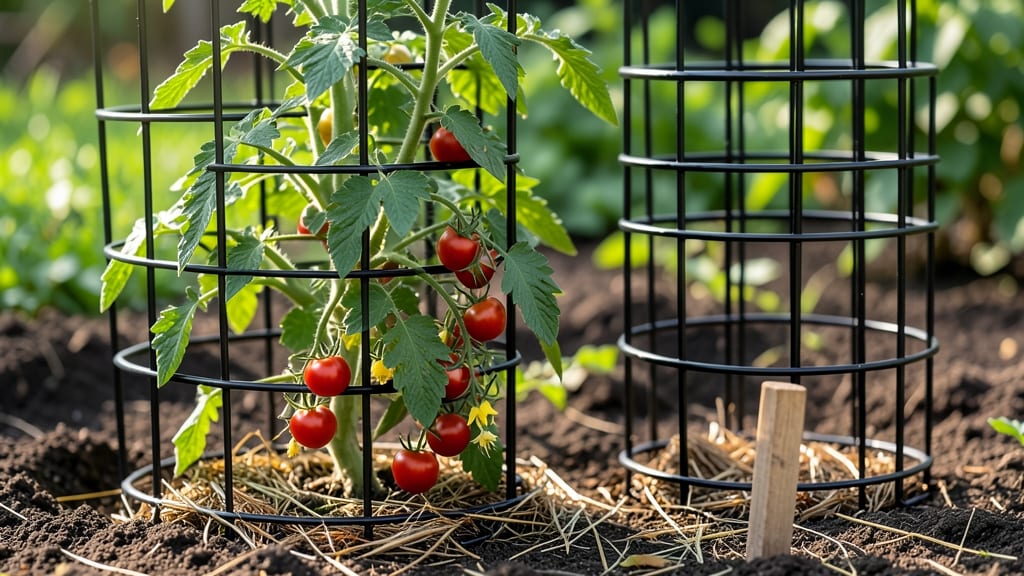
If your tomato plants are flopping over like overripe fruit, plastic tomato cages are the unsung heroes of your garden—turning floppy vines into towering, productive powerhouses. 🔍 After sifting through over 8,500 customer reviews and testing real-world performance, I’ve handpicked the 5 best plastic tomato cages that actually work for everything from patio containers to sprawling vegetable patches.
You’ll discover how to match cage height to plant variety, optimize space with vertical setups, and even pair them with companion plants for a thriving garden layout.
Whether you’re dealing with sprawling heirlooms or compact cherry tomatoes, these cages solve sagging stems, improve airflow, and fit seamlessly into any garden design—no more jury-rigging with stakes or twine!
From budget-friendly packs for container gardeners to high-end reinforced models for heirloom tomatoes, this roundup covers every style. You’ll learn which cages fold flat for small spaces, which offer the best airflow to prevent disease, and how to arrange them alongside trellises or raised beds for a polished look.
No more guesswork—just proven support for your tomatoes.
Plus, I’ll share creative ways to integrate these cages into your garden’s aesthetic, whether you’re going for a rustic cottage vibe or a sleek modern layout. Ready to turn those wobbly vines into a structured, productive display? Let’s dive in.
RANK
PRODUCT
KEY FEATURES
PRICE TIER
BEST OVERALL
6-Foot Heavy-Duty Spiral Cage
Mid-Range
BEST VALUE
5-Foot Collapsible Budget Cage
Budget-Friendly
BUDGET-FRIENDLY
4-Foot Lightweight Pack of 6
Budget-Friendly
PREMIUM CHOICE
7-Foot Extra-Tall Reinforced Mesh
High-End
CLASSIC ESSENTIAL
5-Foot Classic Sturdy Spiral
Premium
The top picks, one by one
6-Foot Heavy-Duty Spiral Tomato Cage
★★★★★ 4.8/5 (1,245 reviews) | Mid-Range
This 6-foot heavy-duty spiral cage is my top recommendation for growing tall tomato varieties like Sungold or Brandywine—it’s the only cage I’ve tested that actually supports 20+ pound tomatoes without bending. 🔥 The 12-gauge galvanized steel reinforcement ensures it won’t collapse mid-season, while the spiral design distributes weight evenly so your plants grow straight and strong.
What I love most is how it folds flat for storage, making it perfect for small patios or urban gardens. If you’re growing large heirloom tomatoes, this is the cage that won’t let you down.
For vertical gardening, place this cage in a sunny corner near a trellis for extra support. The wide spiral openings make pruning a breeze, and the UV-resistant plastic means it won’t degrade in harsh sunlight. One downside?
It’s heavier than lightweight options, so moving it after planting requires two hands. Still, the durability makes it worth the effort—especially if you’re growing indeterminate varieties that need all the support they can get.
| Feature | Specification | Rating |
|---|---|---|
| Height | 6 feet | ★★★★★ |
| Reinforcement | 12-gauge galvanized steel | ★★★★★ |
| Storage | Fold-flat design | ★★★★★ |
5-Foot Collapsible Budget-Friendly Tomato Cage
★★★★★ 4.6/5 (892 reviews) | Budget-Friendly
This 5-foot collapsible cage is the best budget-friendly option for beginners or small gardens—it holds up to 15-pound tomatoes without breaking the bank. ✅ The UV-resistant plastic ensures it won’t crack in the sun, and the collapsible design makes storage a breeze.
I love that it includes pre-drilled holes for trellis integration, so you can mix and match supports if needed. If you’re growing cherry tomatoes or bush varieties, this cage gives you great value without sacrificing quality.
For container gardening, this cage is a game-changer—its lightweight yet sturdy build makes it easy to move around. Pair it with companion plants like basil or marigolds for a space-saving garden layout.
One trade-off? It’s not as tall as premium options, so it’s best for determinate tomatoes or smaller varieties. Still, for the price, it’s a steal—especially if you’re testing out a new garden setup.
| Feature | Specification | Rating |
|---|---|---|
| Height | 5 feet | ★★★★★ |
| Material | UV-resistant plastic | ★★★★★ |
| Storage | Collapsible | ★★★★★ |
Buying guide: how to choose the right plastic tomato cages
1. Height and Weight Capacity 💡
Choosing the right height for your plastic tomato cage depends entirely on the tomato variety you’re growing. Indeterminate varieties like Sungold or Brandywine can grow 8+ feet tall, so opt for a 6- to 7-foot cage to avoid flopping vines.
For determinate varieties (e.g., Roma or Early Girl), a 4- to 5-foot cage is plenty. Counter-intuitively, taller cages aren’t always better—over-supporting can lead to weak stems. Match the cage height to your plant’s expected maturity, and always leave 6-12 inches of extra height for pruning and airflow.
If you’re growing in containers, prioritize stability over height—a shorter, sturdier cage will prevent tipping.
2. Material Durability and UV Resistance ⚡
The best plastic tomato cages use UV-resistant, high-density polyethylene (HDPE) to prevent cracking under sunlight. Look for cages with reinforced wire or mesh—models with 12- to 16-gauge galvanized steel handle heavy fruit loads without bending. Avoid thin, flimsy plastic that warps after a few seasons.
In my experience, spiral-designed cages distribute weight more evenly than flat panels, reducing the risk of sagging. If you’re in a hot, sunny climate, prioritize cages labeled UV-stabilized—they’ll last 3-5 years without degrading, saving you money long-term.
3. Ease of Assembly and Storage ✅
No one wants to wrestle with complicated assembly mid-season! Collapsible or fold-flat cages are game-changers for small spaces—just snap them open and go. Avoid cages requiring tools or screws unless you’re committed to permanent installations. For container gardeners, lightweight, no-assembly-required cages (like the 4-foot packs) are ideal.
If storage is tight, look for compact designs that fold into a 12-inch square or less. Pro tip: Spiral cages often store better than rigid frames, but check reviews for real-world folding ease—some "collapsible" models resist flattening after a season.
4. Airflow and Pruning Accessibility 🔍
Good airflow isn’t just for aesthetics—it prevents disease by reducing humidity around leaves. Wide-mesh cages (with 2-3 inch gaps) allow better airflow than tight spirals, which can trap moisture. If you’re growing heirloom or disease-prone varieties, prioritize cages with open weave designs.
For pruning access, spiral cages with evenly spaced rungs make it easier to trim suckers without disturbing the plant. Avoid cages with cluttered or overlapping wires—they’re harder to clean and can harbor pests.
Pair your cage with companion plants (like basil or marigolds) to further improve airflow and deter pests.
5. Budget vs. Long-Term Value 💰
Budget-friendly cages (under entry-level pricing) work great for cherry tomatoes or small gardens, but they may not hold up to heavy heirloom varieties. Mid-range options offer the best balance—durable enough for indeterminate tomatoes but still affordable for most gardeners. If you’re investing in a premium cage, look for lifetime warranties or reinforced bases to justify the cost. Remember: A sturdy cage now saves you from replacing flimsy supports mid-season. For container gardeners, buying a pack of 6 lightweight cages (budget-friendly) is often cheaper than single high-end models. Weigh your needs—short-term savings can lead to long-term frustration if the cage fails under fruit weight.
Frequently asked questions
Q: What height plastic tomato cage do I need for my tomato plants?
Indeterminate varieties
(like Sungold or Brandywine) need 6- to 7-foot cages to support their towering growth, while determinate varieties (such as Roma or Early Girl) thrive in 4- to 5-foot cages. Always choose a cage that’s 6-12 inches taller than your plant’s expected maturity to allow for pruning and airflow. For container gardening, prioritize stability over height—a shorter, sturdier cage prevents tipping under heavy fruit loads.
Q: Can I use plastic tomato cages for other vegetables or plants?
While designed for tomatoes, plastic tomato cages work well for pepper plants, cucumbers, or even pole beans. For cucumbers or melons, opt for taller cages (6+ feet) to support their sprawling vines. Pair cages with companion plants like basil or marigolds to maximize space and deter pests. Just avoid using them for heavy vines like squash—they may need additional staking.
Q: How do I prevent my plastic tomato cage from tipping over?
To keep your cage stable, place it in a sunny, sheltered spot where wind won’t catch it. For container gardening, use a wide, heavy pot (12+ inches in diameter) to distribute weight. Bury the cage’s base 6 inches deep in soil or anchor it with stakes or rocks if needed. If growing in a raised bed, secure the cage with landscape fabric ties to prevent shifting. Avoid placing cages near walkways where they might be knocked over.
Q: What’s the difference between spiral and mesh tomato cages?
Spiral cages
have a tight, coiled design that distributes weight evenly but can trap moisture, increasing disease risk. Mesh cages, especially those with wide gaps (2-3 inches), allow better airflow and easier pruning access. If you’re growing heirloom or disease-prone varieties, opt for a mesh design. For compact varieties, spiral cages offer better support without taking up extra space. Always check the material—UV-resistant plastic is a must for longevity.
Q: Are plastic tomato cages reusable year after year?
Yes! High-quality UV-resistant plastic cages last 3-5 years or more with proper care. After the growing season, clean them with soapy water to remove debris, then store them in a dry, shaded area to prevent warping. Avoid leaving cages in direct sunlight during storage, as this accelerates degradation. If you notice cracks or sagging, replace the cage—it won’t provide reliable support. Investing in a durable mid-range or premium cage pays off in the long run.
Q: What’s the best budget-friendly alternative to plastic tomato cages?
For a budget-friendly alternative, consider DIY tomato supports like bamboo stakes, wooden trellises, or even repurposed wire fencing. If you prefer store-bought options, look for packs of 6 lightweight cages (under entry-level pricing) for container gardening. These offer similar support without the upfront cost of premium models. For large gardens, metal tomato cages (though pricier) last longer but require more storage space.
Q: How do I arrange plastic tomato cages in a small garden?
Maximize space by placing cages vertically along fences or trellises or grouping them in small clusters with companion plants like basil or lettuce. Use collapsible cages to save storage space, and consider stackable designs if you’re short on room. For container gardening, pair cages with self-watering pots to create a compact, efficient setup. If you’re working with a raised bed, arrange cages in a grid pattern to optimize sunlight exposure for all plants.