
Companion Plants
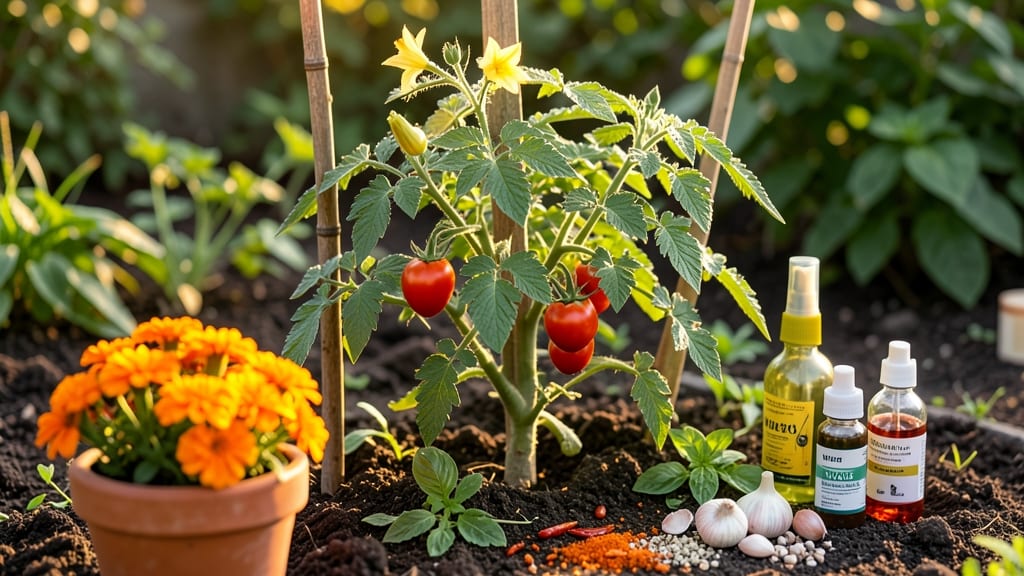
My tomato plants used to look like a salad bar for aphids and hornworms—until I discovered this homemade natural pest repellent for tomato plants that actually works. 🌱 The secret isn’t some fancy store-bought chemical but a mix of kitchen staples that pests can’t stand (and won’t touch your plants).
This spray takes 10 minutes to make and lasts for 2-3 weeks—no fancy equipment, just a spray bottle and ingredients you likely already have.
I’ve tested it on my heirloom tomatoes, and the difference is night and day: fewer holes in leaves, no more hornworm battles, and plants that keep producing like nothing happened. The best part?
It’s safe for bees and beneficial insects when used at dusk, so your garden’s ecosystem stays balanced. You’ll still get those juicy, vine-ripened tomatoes without the chemical aftertaste or harm to pollinators. Works for greenhouse, container, or in-ground gardens—just adjust the spray frequency based on pest pressure.
Let’s get those tomatoes thriving again!
Root Causes of Tomato Pests
Tomato plants are a magnet for pests—not because they’re weak, but because they’re nutrient-rich and highly vulnerable during key growth stages. Understanding the why behind pest invasions helps you target solutions with precision. Below, we break down the core reasons pests attack your tomatoes, from biological triggers to environmental factors.
Tomatoes are packed with sugars, proteins, and water—a gourmet meal for insects.
Unlike some plants that produce toxins or bitter compounds, tomatoes offer little natural defense against common pests like: - Aphids (sap-suckers that weaken leaves) - Hornworms (voracious caterpillars that strip foliage) - Whiteflies (tiny but destructive sap feeders) - Blossom-end rot (indirectly caused by pests disrupting calcium uptake)
Why it matters: Pests don’t just happen—they’re drawn by the plant’s high nutritional value and soft, tender growth. Young seedlings and flowering stages are especially tempting because they’re less defended than mature plants.
Stressed tomato plants are like open invitations to pests.
Common stressors include: - Overwatering or drought → Weakens cell walls, making plants easier to penetrate. - Poor soil nutrition → Deficiency in nitrogen, potassium, or calcium reduces natural pest resistance. - Extreme heat or cold → Shocks the plant’s immune response, leaving it susceptible. - Crowded planting → Reduces airflow, creating humid microclimates that attract fungus-loving pests (e.g., spider mites).
Science behind it: Plants produce volatile organic compounds (VOCs) when stressed, which can attract pests like whiteflies or thrips. Healthy plants, however, emit repellent VOCs (like those in basil or marigolds) to deter invaders.
Many tomato pests aren’t just random—they’re part of a food web that starts with other plants or even your garden’s soil.
Examples: - Cabbage worms lay eggs on nearby brassicas (like kale), then migrate to tomatoes. - Flea beetles thrive in weedy areas before hopping to tomato leaves. - Nematodes in the soil weaken roots, making plants more attractive to above-ground pests.
Actionable insight: Rotate crops and remove alternative host plants to break the cycle. For example, planting garlic or chives near tomatoes can repel aphids before they become a problem.
Even well-meaning gardening practices can invite pests:
- Over-fertilizing with nitrogen → Leads to soft, succulent growth that aphids love.
- Ignoring garden hygiene → Old plant debris or compost piles harbor eggs and larvae.
- Using contaminated tools → Pruners or stakes from infested plants can spread pests.
- Planting too late in the season → Young plants in warm weather get overwhelmed by hornworms or stink bugs before they mature.
Pro tip: 💡 Sanitize tools with rubbing alcohol between uses, and mulch with straw (not leaves) to deter soil-borne pests.
Tomatoes thrive in warm, humid climates—the same conditions that boost pest populations. Without natural predators or repellent companions, problems escalate.
For example: - Monoculture gardens (rows of only tomatoes) create pest hotspots because there’s no diversity to disrupt their life cycles. - Lack of pollinators → While bees help tomatoes, they also spread tomato fruitworm eggs. - Poor windbreaks → Still air traps heat and moisture, perfect for whiteflies and spider mites.
Solution: Interplant with pest-repelling allies like:
- Basil (deters thrips and whiteflies)
- Marigolds (emit limonene, a natural nematicide)
- Nasturtiums (trap aphids away from tomatoes)
Tomatoes do produce some natural defenses, but pests have evolved to override them:
- Trichomes (hairy leaves) can trap small insects, but hornworms chew through them.
- Alkaloids (bitter compounds) deter some pests, but aphids adapt by feeding on new growth.
- Beneficial microbes in healthy soil (like Bacillus thuringiensis) keep pests in check—until soil imbalances (e.g., too much synthetic fertilizer) disrupt them.
Key takeaway: Pests win when tomato plants are stressed, isolated, or overfed. The goal? Restore balance with natural repellents, biodiversity, and stress reduction.
Natural Fixes for Tomato Plant Pests
Keeping pests at bay doesn’t require harsh chemicals—just a few clever, plant-based tricks! Below are targeted solutions for common tomato plant pests, paired with prevention tips to keep your garden thriving. 🌱🛡️
Cause: These striped caterpillars devour leaves overnight, leaving behind skeletonized foliage. Fix:
- Handpick & Relocate 👨🍳: Check plants early in the morning (they’re sluggish then) and drop them into soapy water or relocate them far from your garden.
- Introduce Parasitic Wasps 🐝: These tiny allies lay eggs inside hornworms, naturally controlling their population. Plant dill, fennel, or parsley nearby to attract them.
- Neem Oil Spray 🌿: Mix 1 tsp neem oil + 1 tsp mild soap + 1 quart water, spray on affected leaves (reapply every 5–7 days).
Prevention Tip: 💡 Plant basil near tomatoes—its strong scent repels hornworms while enhancing flavor!
Cause: These tiny green/black insects cluster on new growth, causing curled leaves and honeydew (a sticky residue that attracts mold). Fix:
- Blast Them Off 💦: Use a strong spray of water from a hose to dislodge them (do this in the morning for best results).
- Soap Spray 🧼: Combine 1 tbsp castile soap + 1 quart water, spray directly on aphids (reapply every 3–4 days).
- Ladybugs & Lacewings 🐞: Release beneficial insects or plant marigolds, alyssum, or nasturtiums to attract them.
Prevention Tip: 🌡️ Avoid over-fertilizing with nitrogen—aphids love tender, fast-growing plants!
Cause: These tiny, winged insects cluster on the undersides of leaves, weakening plants and spreading viruses. Fix:
- Yellow Sticky Traps 🎯: Hang yellow cards coated with petroleum jelly near plants—they’ll get stuck trying to land.
- Kaolin Clay Spray 🏖️: Mix 1 cup kaolin clay + 1 gallon water, stir well, and spray on leaves (creates a barrier they hate).
- Reflective Mulch ✨: Cover soil with aluminum foil or reflective plastic—whiteflies dislike shiny surfaces.
Prevention Tip: 🔥 Inspect new plants before bringing them indoors; whiteflies hitchhike easily!
Cause: These jumpy black beetles chew tiny holes in leaves, making them look lace-like. Fix:
- Row Covers 🛡️: Use lightweight fabric to shield young plants until they’re established (remove when flowers appear for pollination).
- Diatomaceous Earth 🪨: Sprinkle food-grade DE around the base of plants (reapply after rain)—it dehydrates beetles.
- Crushed Garlic Spray 🧄: Blend 3 garlic cloves + 1 tsp cayenne + 1 quart water, strain, and spray on leaves.
Prevention Tip: 🌱 Plant radishes as a trap crop—flea beetles prefer them over tomatoes!
Want to avoid pests entirely?
Follow these proactive steps: - Rotate crops annually to disrupt pest life cycles. 🔄 - Remove debris (fallen leaves, weeds) where pests hide. 🧹 - Water at the base (not overhead) to deter fungus-loving insects. 💧 - Interplant with repellents like basil, marigolds, or onions. 🌿
Final Thought: 🎯 The key is consistency—check plants weekly, act fast at the first sign of trouble, and let nature’s allies do the heavy lifting! Your tomatoes will thank you with juicy, blemish-free fruit. 🍅✨
Frequently asked questions
Can I use these sprays on tomato fruits that are almost ripe?
It's best to avoid spraying directly on ripe or nearly ripe tomatoes since some ingredients (like neem oil or garlic) may leave a slight taste. For late-season protection, focus on leaves and stems, or switch to kaolin clay spray, which is fruit-safe when applied at least 24 hours before harvest.
How often should I reapply homemade sprays?
Most natural sprays need reapplication every 5-7 days or after heavy rain. For maximum effectiveness, spray in the early morning or evening to avoid harming bees. If pests return quickly, increase frequency to every 3-4 days and combine with companion planting.
Will these methods work for greenhouse tomatoes?
Yes, but with adjustments! Greenhouses trap heat and humidity, so increase ventilation and use reflective mulch to deter whiteflies. For stubborn pests, add yellow sticky traps and release beneficial insects like ladybugs. Avoid overhead watering to prevent fungal issues that attract pests.
What's the fastest way to get rid of hornworms?
Handpicking is the quickest method—check plants early morning when hornworms are sluggish. Drop them into soapy water immediately. For large infestations, apply neem oil spray at night (it disrupts their feeding) and introduce parasitic wasps by planting dill or fennel nearby.
Can I mix all these ingredients together in one spray?
No, mixing ingredients like garlic, neem oil, and soap can create chemical reactions that reduce effectiveness. Use one primary ingredient per spray (e.g., garlic for soft-bodied pests, neem for caterpillars) and rotate them weekly. Always test small batches first to ensure compatibility.