
Vegetables
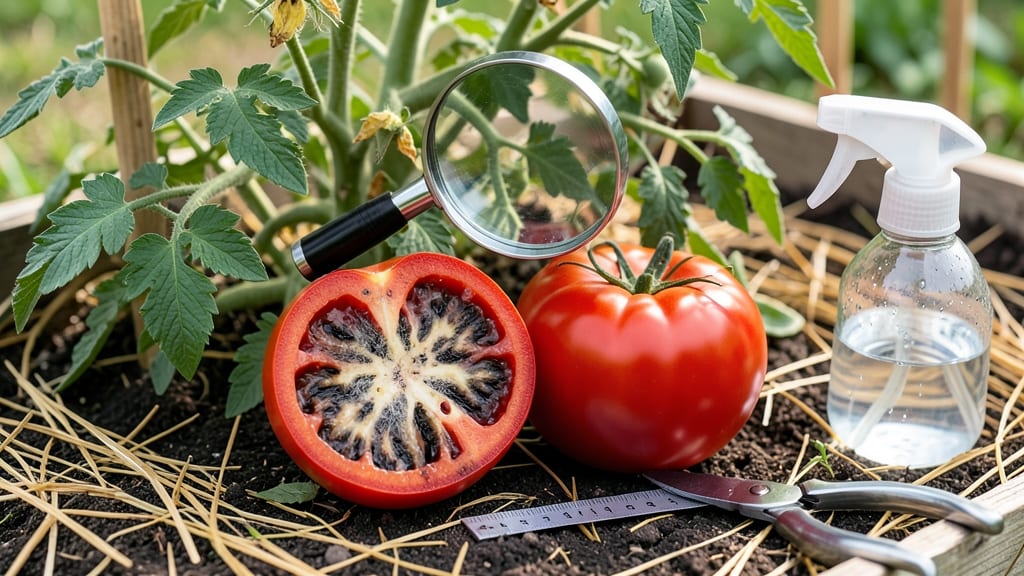
Your tomato harvest just turned into a science experiment—the moldy tomato inside ruins the flavor and wastes your hard work. 🌱 The good news? This isn’t always a lost cause.
Internal mold in tomatoes usually comes from overripe fruit, poor airflow, or fungal infections like Alternaria or Fusarium, but with the right steps, you can still salvage some of the crop—and prevent it next season.
First, check the tomato’s exterior for soft spots, cracks, or dark streaks—these are dead giveaways. If the mold is just starting (like a few fuzzy spots inside), you can cut around the affected area and use the rest.
But if the whole inside is slimy or discolored, compost it to avoid spreading spores. The key is acting fast—once mold sets in, it spreads to other tomatoes like wildfire.
For future harvests, pick tomatoes when they’re fully colored but still firm to the touch, and store them at room temperature (never in the fridge). Prune your plants for better airflow, and consider a preventative spray of neem oil or copper fungicide if mold is a recurring issue.
These small tweaks can turn a frustrating problem into a thing of the past.
Even if you lose a few tomatoes this year, you’ll spot the early warning signs next time—and that’s the real win. A little extra care now means a cleaner, tastier harvest all season long.
Hidden Moisture And Air Traps
Finding a moldy tomato inside—especially when the exterior looks perfectly fine—can be frustrating. But don’t toss it just yet! Understanding the science behind this issue helps you prevent it in the future.
The culprit is almost always a combination of trapped moisture, poor air circulation, and microbial growth. Let’s break down the key reasons why mold sneaks into your tomatoes before you even notice.
Tomatoes are climacteric fruits, meaning they continue to ripen after being picked. If left on the vine past their prime, their skin may soften, and internal sugars break down. This creates a moist, nutrient-rich environment—perfect for mold spores (like Botrytis cinerea or Alternaria) to latch on.
The mold then spreads inward, especially if the tomato was bruised or damaged during harvest.
Why it matters: Overripe tomatoes have higher moisture content and thinner cell walls, making them more susceptible to internal rot. If you’re growing your own, pick tomatoes when they’re slightly firm but starting to color—this balances ripeness and reduces risk.
Tomatoes need circulation to stay fresh. When stored in sealed containers, plastic bags, or crowded crates, condensation builds up, raising humidity levels. High moisture + warm temperatures = a mold party. The most common offenders?
- Plastic bags: Traps ethylene gas (a natural ripening hormone) and moisture, accelerating spoilage.
- Wooden crates with no ventilation: While breathable, if stacked too tightly, airflow is blocked.
- Refrigerator storage (for ripe tomatoes): Cold temps slow ripening but don’t stop mold growth—condensation on the surface can seep in.
Pro tip: Store tomatoes stem-side down in a single layer with a paper towel underneath to absorb excess moisture. Never refrigerate until fully ripe!
A small crack, dent, or puncture in the tomato skin may seem harmless, but it’s an open invitation for mold. Here’s how it happens:
| Damage Type | Mold Risk |
|---|---|
| Surface scratches (from handling) | Mold spores land in the wound and multiply in the moist flesh. |
| Dents from stacking | Crushed cells release juices, creating a sticky surface for fungal growth. |
| Insect bites (e.g., fruit flies, worms) | Punctures introduce bacteria and mold spores directly into the tomato. |
Actionable fix: Inspect tomatoes for soft spots or discoloration before storing. If you find damage, use the tomato immediately (e.g., in sauces or salsas where cooking kills mold) or cut out the affected area down to ½ inch of healthy flesh.
Tomatoes thrive in consistent conditions. Sudden changes—like moving them from a hot greenhouse to a cold garage—cause condensation inside the fruit. Here’s the science:
- Warm tomatoes + cool air = condensation: When a warm tomato meets cold surfaces (like a fridge shelf), water vapor condenses on the skin and seeps in.
- High humidity (above 85%): Ideal for mold spores to germinate. Greenhouse-grown tomatoes are especially vulnerable.
- Fluctuating temps: Causes cellular stress, weakening the tomato’s natural defenses against pathogens.
Solution: Store tomatoes in a cool (55–65°F), dry place with good airflow. Avoid basements or garages with damp walls. For greenhouse tomatoes, harvest in the morning when temps are cooler and humidity is lower.
Key takeaway: A moldy tomato inside is usually a storage issue, not a quality issue. By controlling moisture, airflow, and handling, you can extend freshness and salvage more of your harvest—even if mold strikes.
Fixing Spoiled Tomatoes Fast
Discovering a moldy tomato inside your produce bag or garden harvest can be frustrating, but don’t toss it just yet! With the right steps, you can salvage what’s left and prevent future spoilage.
Below, we’ve mapped out practical fixes based on the most common causes—plus prevention tips to keep your tomatoes fresh longer.
If only a small section of the tomato is moldy, you can cut it out and still use the rest—just follow these steps carefully.
🔥 Step 1: Inspect & Trim
- Wash your hands and sanitize your cutting board with hot, soapy water or a vinegar spray (1:1 water-to-vinegar ratio).
- Slice off the moldy area—cut at least 1 inch beyond the visible mold to remove hidden spores.
(Mold roots deeper than it appears!) - Discard the core if it’s discolored or slimy, as it’s a high-risk zone for bacteria.
👨🍳 Step 2: Cook or Preserve Immediately
Mold can spread even after trimming, so don’t eat it raw.
Use the salvaged tomato in: - Sauces or soups (blend it into marinara, chili, or gazpacho). - Salsas (cook it with onions, garlic, and lime to kill mold spores). - Fermented dishes (like kimchi or pickles—vinegar and salt inhibit mold growth). - Freeze it for later use in cooked dishes (label with a date and freeze within 24 hours).
⏰ Step 3: Store Safely
- Refrigerate any unused portions in an airtight container for up to 3–4 days.
- Avoid storing cut tomatoes at room temperature—mold spreads faster in warmth.
If more than 25% is moldy, the tomato is too risky to salvage. Here’s how to handle it safely:
🌱 Option 1: Compost It (If No Pests)
- Only compost moldy tomatoes if:
- They’re organic (no pesticides/fungicides).
- Your compost pile gets hot enough (140°F+) to kill spores.
- Chop it up and bury it deep in the pile to speed decomposition.
- Avoid composting if your bin stays cool or you have pets/kids who might dig in it.
🗑️ Option 2: Trash It (Best for Safety)
- Double-bag it in a sealed plastic bag before tossing to prevent mold spores from spreading.
- Wash your hands after handling to avoid cross-contamination.
The best fix? Stop mold before it starts! Try these proven strategies:
🌡️ Store Them Right
- Never refrigerate whole tomatoes until they’re ripe—cold speeds up spoilage.
Store at room temp (50–70°F) until soft. - Once ripe, move them to the fridge (but not the crisper drawer—humidity speeds up rot). - Use a paper towel in the storage container to absorb excess moisture.
🍅🌿 Pick & Handle with Care
- Harvest tomatoes when fully ripe—overripe ones mold faster.
- Avoid washing until ready to eat (moisture = mold magnet).
- Check for bruises or cracks before storing—these trap bacteria.
🎯 Buy & Store Smart
- Choose firm, unblemished tomatoes at the store.
- Store them stem-side down to prevent moisture buildup.
- Separate from other produce—ethylene gas (from apples, bananas) speeds up ripening and rot.
If you’re dealing with preventative storage, try these all-natural tricks:
- Sprinkle cinnamon on cut tomatoes (it has antifungal properties).
- Store with a bay leaf—it releases antimicrobial compounds.
- Use a silica gel packet in storage containers to absorb moisture.
With these steps, you’ll minimize waste, save money, and keep your tomatoes fresher longer—no more sad, moldy surprises! 🚀
Frequently asked questions
Can I still eat a tomato with mold only inside?
Only if you cut out the moldy section and cook it immediately! Cut 1 inch beyond the visible mold and use the tomato in sauces, soups, or salsas where cooking kills spores. Never eat it raw—mold can spread even after trimming.
Why does my tomato get moldy inside but look fine outside?
Trapped moisture and poor airflow create the perfect environment for mold spores. Overripe tomatoes or those stored in sealed containers (like plastic bags) develop internal mold because condensation builds up, feeding fungal growth while the skin stays intact.
How do I store tomatoes to prevent internal mold?
Store them stem-side down in a single layer at room temperature (50–70°F) until ripe. Once ripe, refrigerate in a paper-lined container to absorb excess moisture. Avoid plastic bags—they trap ethylene gas and humidity.
Is it safe to compost moldy tomatoes?
Only if your compost pile reaches 140°F+ to kill spores. Chop them up and bury deep in the pile. If your bin stays cool or you have pets/kids, double-bag and trash them instead to prevent mold spread.
Can I save a tomato with a small crack or bruise?
Use it immediately! Cracks create entry points for mold spores. Cook the tomato in dishes like salsas or sauces within 24 hours to prevent spoilage. Avoid storing cracked tomatoes—they’ll mold faster.