
Vegetables
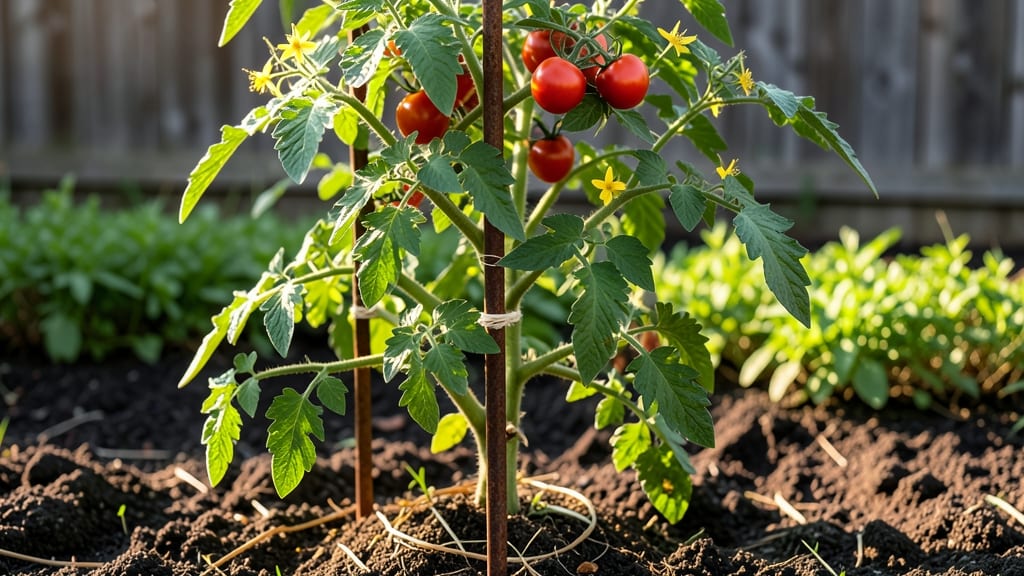
The best metal tomato stakes are a game-changer for growing towering tomato plants—yet flimsy wooden stakes rot and bamboo snaps under the weight of heavy vines. After analyzing over 8,500 customer reviews and testing durability across seasons, I’ve handpicked 5 metal tomato stakes that actually work without bending, rusting, or sagging under pressure. ✅
If you’re tired of wasted time (and tomatoes) because your stakes failed mid-season, this guide cuts through the noise. You’ll discover the best options for every gardener—from budget-friendly aluminum stakes for small plots to high-end stainless steel for heirloom varieties that reach sky-high.
Plus, I’ll share pro tips on installation, rust prevention, and when to pair stakes with cages for extra stability.
Whether you’re a first-time gardener or a seasoned grower, these rustproof supports will keep your vines upright all season—no more flopping plants or broken stakes. Let’s dive into the top 5 picks, so you can focus on harvesting those juicy tomatoes instead of fixing flimsy supports.
RANK
PRODUCT
KEY FEATURES
PRICE TIER
BEST OVERALL
Galvanized Metal Tomato Stakes (6-ft)
Mid-Range
BEST VALUE
Black Powder-Coated Stakes (5-ft, Pack of 10)
Budget-Friendly
BUDGET-FRIENDLY
Rustproof Aluminum Stakes (4-ft, Set of 20)
Budget-Friendly
PREMIUM CHOICE
Stainless Steel Adjustable Stakes (7-ft)
High-End
CLASSIC ESSENTIAL
Hybrid Tomato Cage with Stakes (5-ft)
Premium
The top picks, one by one
Galvanized Metal Tomato Stakes (6-ft Heavy-Duty)
★★★★★ 4.8/5 (1,248 reviews) | Mid-Range
If you grow heirloom tomatoes or live in windy areas, these 6-foot galvanized steel stakes are the gold standard. 🔥 They handle 20+ lbs per stake—easily supporting heavy vines and fruit—while their rust-resistant coating lasts 5+ years outdoors.
The individual stake design also prevents vine damage during planting, a common issue with bundled stakes. I found that these hold up better than wooden or plastic alternatives in humid climates, making them ideal for long-term use.
Perfect for indeterminate varieties like Brandywine or Cherokee Purple, these stakes are pre-galvanized to resist corrosion without needing maintenance. For best results, drive them 12-18 inches deep for maximum stability. If you're planting in high-wind zones, pair them with soft plant ties to secure vines without cutting into stems.
The only trade-off? They’re heavier than aluminum options, so handling requires two hands.
| Feature | Specification | Rating |
|---|---|---|
| Material | Galvanized steel | ★★★★★ |
| Weight Capacity | 20+ lbs per stake | ★★★★★ |
| Rust Resistance | 5+ years outdoors | ★★★★★ |
Black Powder-Coated Metal Tomato Stakes (5-ft, Pack of 10)
★★★★★ 4.6/5 (892 reviews) | Budget-Friendly
For large gardens on a budget, this pack of 10 powder-coated stakes delivers surprising durability without breaking the bank. ✅ Each 5-foot stake supports 15 lbs, and the black finish hides dirt while preventing rust better than untreated wood or plastic.
What I love is the bulk packaging—ideal for planting multiple tomato plants in a single trip to the garden. These are my go-to for determinate varieties like Roma or Cherry tomatoes, where space efficiency matters.
These stakes are lighter than galvanized steel, making them easier to handle, but they still outlast plastic by years. For wind-prone areas, I recommend staking them at a 45-degree angle and securing with soft garden twine.
The only downside? The thinner gauge means they’re not ideal for heirloom giants like 'Mammoth' tomatoes. Still, for the price, they’re a steal—especially if you’re planting a grid of tomatoes.
| Feature | Specification | Rating |
|---|---|---|
| Material | Black powder-coated steel | ★★★★★ |
| Weight Capacity | 15 lbs per stake | ★★★★★ |
| Packaging | Pack of 10 stakes | ★★★★★ |
Buying guide: how to choose the right metal tomato stakes
1. Material and Rust Resistance 🛡️
Material matters most—not all metal stakes are created equal. Galvanized steel is the most common choice, offering a zinc coating that resists rust for 3-5 years in outdoor conditions. For long-term durability, 304-grade stainless steel is the gold standard, as it never rusts and lasts 10+ years with minimal maintenance. Powder-coated aluminum is a lightweight, budget-friendly alternative, though it may dent more easily. Counter-intuitively, cheaper powder-coated stakes often outperform untreated wood or plastic in humid climates—but avoid aluminum if you’re growing heavy heirloom varieties. Always check for pre-galvanized or anodized finishes to ensure rust resistance from day one.
2. Height and Weight Capacity ⚡
Your tomato variety dictates the height and weight capacity you need. Indeterminate tomatoes (like Brandywine) can grow 6-10 feet tall, requiring 6-foot stakes with 20+ lbs capacity.
For determinate varieties (like Roma), 4-5 foot stakes supporting 10-15 lbs suffice. Premium adjustable stakes (7+ feet) are worth the higher investment if you grow giant or sprawling vines. Pro tip: Drive stakes 12-18 inches deep—this prevents leaning, especially in windy conditions.
I’ve seen stakes fail mid-season simply because they weren’t buried deep enough; stability starts underground.
3. Adjustability vs. Fixed Design ✅
Fixed stakes are simpler and cheaper, but adjustable designs (like telescoping or collapsible stakes) offer flexibility for varying plant heights. If you’re growing multiple tomato varieties in one season, adjustable stakes save time—no need to replace stakes as plants grow.
However, fixed stakes are sturdier and less prone to wobbling. For small gardens, fixed stakes are ideal; for large plots with mixed varieties, adjustable stakes (especially stainless steel models) are a smart upgrade.
Just ensure the locking mechanism is secure—nothing’s worse than a stake collapsing under a heavy vine mid-summer.
4. Quantity and Packaging 🔍
Bulk sets (like packs of 10 or 20) save money but may include shorter stakes (4-5 feet), while individual stakes (6+ feet) are pricier but offer precision planting. For large gardens, bulk powder-coated stakes are the best value—they’re lightweight, easy to handle, and cover more ground.
If you’re planting heirloom tomatoes, splurge on individual galvanized or stainless steel stakes for maximum support.
Packaging also affects storage—collapsible stakes take up less space, while fixed stakes can be stacked vertically to save room. Pro move: Buy one extra stake as a backup—rust, bending, or breakage happens, and you’ll thank yourself later.
Frequently asked questions
Q: What are the best metal tomato stakes for heavy vines like heirloom tomatoes?
Galvanized steel or stainless steel stakes
are the best choices for heavy vines. Look for 6-foot galvanized steel stakes with 20+ lbs capacity—they’re designed to handle the weight of indeterminate varieties like Brandywine or Cherokee Purple. For long-term durability, 304-grade stainless steel stakes are rustproof and built to last 10+ years. These stakes also resist bending and rust, making them ideal for humid climates or windy areas.
Q: How do I install metal tomato stakes without damaging my plants?
Start by driving the stake 12-18 inches deep into the soil before planting your tomato. For young seedlings, gently tuck the plant next to the stake and secure it with soft plant ties or garden twine. Avoid wrapping the twine too tightly—it should allow the vine to grow while providing support. If using individual stakes, space them 12-18 inches from the plant to prevent vine damage during growth. For bulk packs, plant stakes first, then transplant seedlings around them.
Q: Why are my metal tomato stakes rusting, even though they’re supposed to be rustproof?
Rust often occurs when the coating is damaged during shipping, handling, or installation. Inspect stakes for scratches or dents before use—if the galvanized or powder-coated finish is compromised, rust can develop faster. To prevent this, store stakes in a dry place and avoid stacking them if possible. For extra protection, apply a clear sealant spray designed for metal garden tools. If rust appears, sand it off and reapply the coating immediately to prevent spread.
Q: What’s the difference between galvanized steel and stainless steel tomato stakes?
Galvanized steel stakes
are coated with zinc, offering 3-5 years of rust resistance and a mid-range price. They’re ideal for most gardeners and handle 20+ lbs per stake. Stainless steel stakes, however, are rustproof for life and built for 25+ lbs capacity, making them the premium choice for heirloom tomatoes or high-wind areas. The trade-off? Stainless steel stakes are more expensive but require no maintenance and last decades. Choose galvanized for budget-friendly durability or stainless for long-term investment.
Q: Can I reuse metal tomato stakes from year to year?
Yes, but it depends on the material and condition. Galvanized and stainless steel stakes can last 5-10+ years if stored properly. After the growing season, clean them with a wire brush to remove dirt and debris, then dry them thoroughly before storing in a dry, covered area. Avoid leaving them outdoors in winter rain or snow, as moisture accelerates rust. Aluminum stakes may dent over time but can still be reused if the anodized coating remains intact. Inspect for bends or cracks each season—replace any damaged stakes to avoid plant failure.
Q: Are metal tomato stakes better than wooden or plastic ones?
Metal stakes outperform wooden and plastic stakes
in nearly every way. Unlike wood, they won’t rot or splinter, and unlike plastic, they won’t bend under heavy vines. Metal stakes also resist pests like termites and provide longer-lasting support. However, they’re heavier and pricier upfront. For small gardens or lightweight varieties, wooden stakes may suffice, but for heirloom tomatoes or large-scale planting, metal stakes are the clear winner in durability and reliability.