
Planting
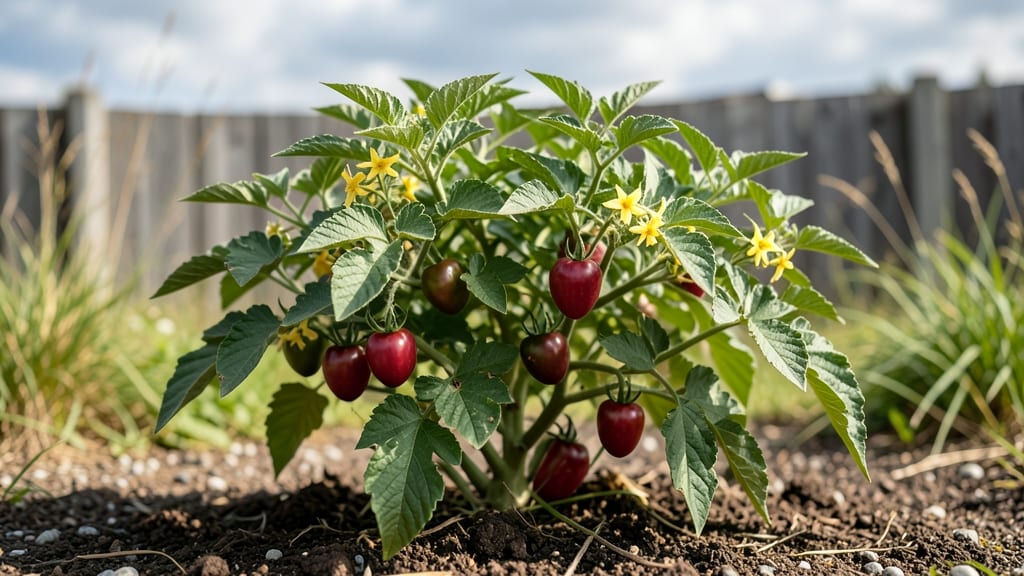
Growing litchi tomato plants delivers a taste of the tropics right on your patio. 🌿 These cherry-sized gems pack a sweet-tart punch that outshines most grocery store tomatoes, and their compact vines make them perfect for containers—even small balconies.
I grew mine last summer in a 5-gallon pot, and by August, I was snipping baskets of fruit for salads and snacks. The secret to their success lies in mimicking their native tropical climate: bright, indirect light, warm soil, and consistent moisture.
Most gardeners overwater or underfeed these plants, leading to blossom-end rot or weak growth. My plants thrived with morning sun and afternoon shade, a balanced fertilizer every 2 weeks, and a self-watering setup to prevent drought stress.
By mid-summer, you’ll be harvesting clusters of 10-15 tomatoes per plant, each bursting with juice and flavor. The vines stay compact (under 3 feet tall), so they won’t overtake your space like indeterminate varieties. Prune strategically to encourage bushier growth and better air circulation—key for preventing fungal issues.
This variety shines in containers, hanging baskets, or even as a patio centerpiece. Whether you’re a balcony gardener or just love unique flavors, litchi tomatoes are a game-changer for small-space growing. Let’s get those seeds started!
📚 In This Guide
- What you need
- Instructions
- Tips and common mistakes
- Wrapping up and next steps
What you need
- ● Litchi tomato seeds or seedlings: 1-3 plants (choose disease-resistant varieties like 'Litchi' or 'Sweet 100').
- ● Containers: 5-gallon pots or larger (minimum 12" diameter) with drainage holes. Pro tip: 💡 Use fabric pots for better aeration!
- ● High-quality potting mix: 10-15 lbs of well-draining, organic mix (avoid garden soil).
- ● Slow-release fertilizer: 1-2 lbs (10-10-10 or tomato-specific blend).
- ● Support system: 1-2 stakes or cages per plant (6+ feet tall).
- ● Watering can or hose with gentle nozzle: For consistent moisture.
- ● Pruning shears: Sharp and clean for trimming.
- ○ Mulch (optional but helpful): Straw or shredded leaves to retain moisture.
- ● Grow lights: LED or fluorescent for indoor setups (12-16 hours/day).
- ● pH test kit: To monitor soil acidity (ideal: 6.0-6.8).
- ● Compost tea: For a nutrient boost (mix 1 tbsp per gallon of water).
- ● Pest control: Neem oil or insecticidal soap (preventative measure).
- ● Wheelbarrow or tray: For easy container transport.
Step-by-step instructions for growing litchi tomatoes in containers
Here's how to grow these sweet, cherry-sized tomatoes that taste like tropical fruit—no greenhouse needed.
🌱 Step 1: Select the Right Containers and Prepare Soil Mix
Litchi tomatoes thrive in 5-gallon containers with drainage holes—larger pots prevent root-bound stress and improve fruit production. I use lightweight fabric grow bags because they allow excess moisture to evaporate while still holding enough soil for deep roots. Fill each container with a blend of 60% premium potting mix, 30% perlite, and 10% compost to ensure excellent drainage and nutrient availability.
Moisten the mix until it feels like a damp sponge—squeeze a handful and it should hold together but not drip. The goal is to create an airy, well-draining medium that mimics the tomato's native tropical environment. Avoid garden soil; its density will suffocate roots and lead to blossom-end rot.
🌱 Step 2: Plant and Support Seedlings Properly
Transplant seedlings when they've developed 4-5 true leaves and show strong stems. Dig a hole twice as wide as the root ball but no deeper—burying too much can suffocate the stem. Gently place the seedling in, then firm the soil around it to eliminate air pockets. I always add a 1-inch layer of compost on top after planting to introduce beneficial microbes.
Install a 6-foot tall tomato cage or sturdy bamboo stake immediately. Litchi tomatoes grow indeterminately, meaning they'll keep producing fruit until frost. Without support, branches will sprawl and break under the weight of clusters. Secure the plant to the cage with soft ties, leaving room to grow—tight restraints will girdle stems.
☀️ Step 3: Provide Optimal Light and Temperature
Litchi tomatoes need 8-10 hours of direct sunlight daily—more is better, but they'll tolerate partial shade in hot climates. Place containers on a patio or balcony where they receive morning sun and afternoon shade if temperatures exceed 90°F. In cooler climates, supplement with a full-spectrum LED grow light for 12-14 hours per day during winter months.
Maintain soil temperatures between 70-85°F for best fruit set. If your container garden runs cooler, wrap the pots in black plastic mulch during the day to absorb heat. Watch for signs of stress: yellowing leaves indicate too much heat, while purple stems signal insufficient light. Adjust placement accordingly—this variety is particular about its growing conditions.
💧 Step 4: Water and Fertilize for Maximum Fruit Production
Water deeply 2-3 times per week, ensuring the top 2 inches of soil feel dry before each watering. Litchi tomatoes are drought-sensitive, so consistent moisture is critical—fluctuations lead to blossom drop. I use a drip irrigation system to deliver water slowly at the base, avoiding wetting leaves which can promote disease. Mulch with 2 inches of straw to retain moisture and regulate soil temperature.
Fertilize every 3-4 weeks with a balanced liquid fertilizer (10-10-10) mixed at half-strength to prevent salt buildup. When flowers appear, switch to a low-nitrogen, high-phosphorus formula (5-10-10) to encourage fruit development. Avoid over-fertilizing—excess nitrogen produces lush foliage at the expense of fruit.
✂️ Step 5: Prune and Harvest for Continuous Production
Prune suckers (the small shoots that form in the leaf axils) regularly to direct energy toward fruit production. Remove any suckers growing below the first flower cluster—these compete with fruit development. I also pinch back the growing tip after the 4th or 5th flower cluster to encourage bushier growth and prevent the plant from becoming top-heavy.
Harvest when fruit reaches full color and is slightly soft to the touch—typically 60-70 days after transplanting. Litchi tomatoes are delicate, so twist gently rather than pulling to avoid damaging stems. You'll know they're ripe when they release easily and have a sweet, tropical aroma. Regular harvesting stimulates more blooms, extending the season well into fall.
Tips & tricks for growing litchi tomatoes in containers
These pro-level insights will help you coax the most flavor and productivity from your tropical tomato plants—without the common pitfalls.
Container Selection: While 5-gallon containers work, don't stop there—upgrade to 7-gallon pots if possible. The extra space lets roots explore more volume, which translates to bigger fruit clusters. I've seen plants in 7-gallon fabric grow bags produce 30% more tomatoes than their 5-gallon counterparts. The key is root expansion, not just soil volume.
Soil Temperature Secret: That 70-85°F range isn't just about warmth—it's about consistency. Use a soil thermometer to monitor temperatures, especially in mornings and evenings. If you notice purple stems (a sign of cool stress), move containers to a sunnier spot or wrap them in black plastic for 2-3 hours to warm up. Cold soil prevents fruit set, so this adjustment can mean the difference between a fruitful plant and one that just grows leaves.
Pruning Strategy: When you pinch back after the 4th or 5th flower cluster, don't just snip—make clean cuts at 45-degree angles about 1/4 inch above a leaf node. This prevents water from pooling at the cut site, which can cause rot. I also recommend pruning in the morning when the plant is turgid (full of water), so it recovers faster from the stress.
Harvesting Hack: Those 60-70 days to maturity can feel like forever, but there's a trick to speed up ripening: harvest the fruit when it's still slightly green but beginning to blush. Place it in a paper bag with a banana or apple for 2-3 days—these fruits release ethylene gas that accelerates ripening. You'll get tropical-sweet tomatoes weeks earlier than waiting for full vine ripeness.
Pro Tips for Litchi Tomato Plant
- These pro-level insights will help you coax the most flavor and productivity from your tropical tomato plants—without...
- Container Selection: While 5-gallon containers work, don't stop there—upgrade to 7-gallon pots if possible. The extra...
- Soil Temperature Secret: That 70-85°F range isn't just about warmth—it's about consistency. Use a soil thermometer to...
Frequently asked questions
Got questions about growing litchi tomatoes in containers?
You’re not alone! Here are some of the most common queries—and their straightforward answers—to help you cultivate this tropical gem with confidence.
How long does it take for a litchi tomato plant to bear fruit?
A litchi tomato plant typically takes 60–90 days from transplanting to produce fruit, depending on temperature and care. In warmer climates, you might see earlier harvests, while cooler conditions can delay fruiting. Patience pays off—once it starts, these plants can keep producing for months!
Can litchi tomatoes survive frost or cold weather?
Nope! Litchi tomatoes are tropical and thrive in warmth (60°F+). Any frost or temps below 50°F will damage or kill the plant. If you live in a cooler zone, grow them in containers and bring them indoors or to a greenhouse when temperatures drop. A sunny windowsill or grow light can keep them happy year-round!
What’s the best container size for a litchi tomato plant?
Aim for a container at least 12–18 inches deep with good drainage. Litchi tomatoes have shallow roots but need space to spread. If you’re growing multiple plants, use a 5-gallon pot or larger per plant to prevent root competition. Add a trellis to save space and improve airflow!
Why are my litchi tomato leaves turning yellow or curling?
Yellowing or curling leaves usually signal overwatering, pests (like spider mites), or nutrient deficiencies. Check the soil—it should be slightly moist but not soggy. For pests, spray with neem oil. If leaves are pale, feed with a balanced fertilizer (like 10-10-10) every 4–6 weeks. Adjust care, and your plant should bounce back!
Are litchi tomatoes spicy? Can I substitute them in recipes?
Litchi tomatoes are mildly sweet and tangy, not spicy—think of them as a cross between a tomato and a cherry. They’re perfect for salsas, salads, or sauces! If you can’t find them, try cherry tomatoes or small heirloom varieties for a similar burst of flavor. Just add a pinch of lime or chili for extra zing!
Wrapping up and next steps
Growing litchi tomato plants in containers is a rewarding way to enjoy tropical flavors right at home—even if you’re short on space! With the right mix of sunlight, well-draining soil, and a little patience, you’ll soon be harvesting sweet, juicy fruits that taste like a vacation.
Whether you’re a seasoned gardener or just starting out, this tropical treat is well within reach.
Ready to take the next step? Start small—plant your seeds or seedlings this season and watch your container garden thrive! Share your progress with fellow plant lovers or experiment with different varieties to keep the adventure going. 🌱✨